



Planting and Growing lesser celandine 'Sylvie'

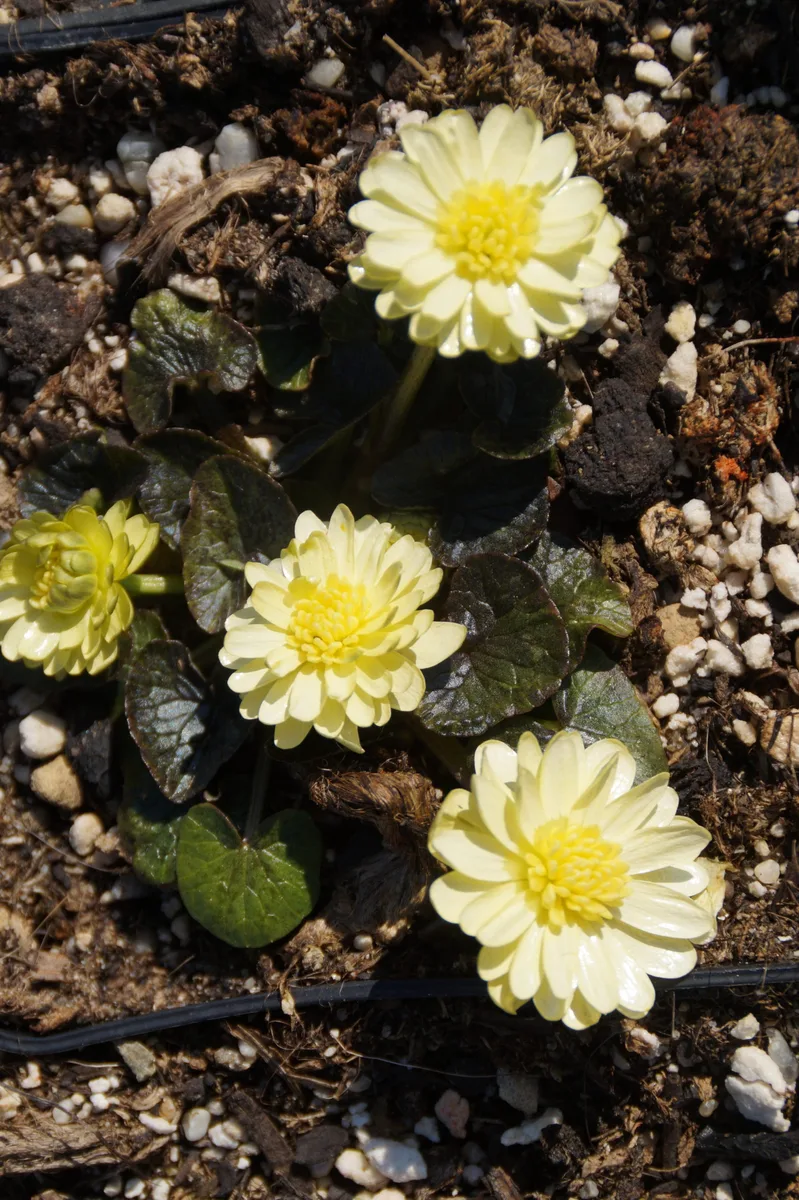
| Care difficulty | 2 / 5 |
|---|---|
| Watering schedule | Moderate regular watering, avoid prolonged drought and stagnant waterlogging |
| Sunlight requirements | Full shade · Partial shade |
| Ideal temperature | Information to be completed |
| Soil type | Clay · Loam · Sand |
| Soil pH | Acid · Alkaline · Neutral |
| Soil moisture | Moist but well drained |
| Fertilizing | Balanced perennial feed every four weeks spring through summer growth |
| Toxicity | Harmful if eaten, skin irritant. Wear gloves and other protective equipment when handling] |
How to Water lesser celandine 'Sylvie'?
Moderate regular watering, avoid prolonged drought and stagnant waterlogging
Learn more →What Are the Sunlight Requirements for lesser celandine 'Sylvie'?
Full shade · Partial shade
Learn more →What Soil Is Best for lesser celandine 'Sylvie'?
- Soil type
- Clay · Loam · Sand
- Soil pH
- Acid · Alkaline · Neutral
What Are the Moisture Requirements for lesser celandine 'Sylvie'?
Moist but well drained
Learn more →How to Fertilize lesser celandine 'Sylvie'?

Balanced perennial feed every four weeks spring through summer growth
Learn more →How to Prune lesser celandine 'Sylvie'?

No pruning required
Learn more →How to Propagate lesser celandine 'Sylvie'?

Propagate by division
Learn more →How to Plant lesser celandine 'Sylvie'?
Grow in full or partial shade in moist, humus-rich soil. A good early source of pollen and nectar for insects, though plants can spread and have potential to become a nuisance if not controlled. See celandine cultivation
Learn more →Common Pests & Diseases

Diseases
May be susceptible to powdery mildews
Pests
May be susceptible to slugs, snails and aphids
Explore the plant health library →The Toxicity of lesser celandine 'Sylvie'
Harmful if eaten, skin irritant. Wear gloves and other protective equipment when handling]