



Planting and Growing dwarf fan palm

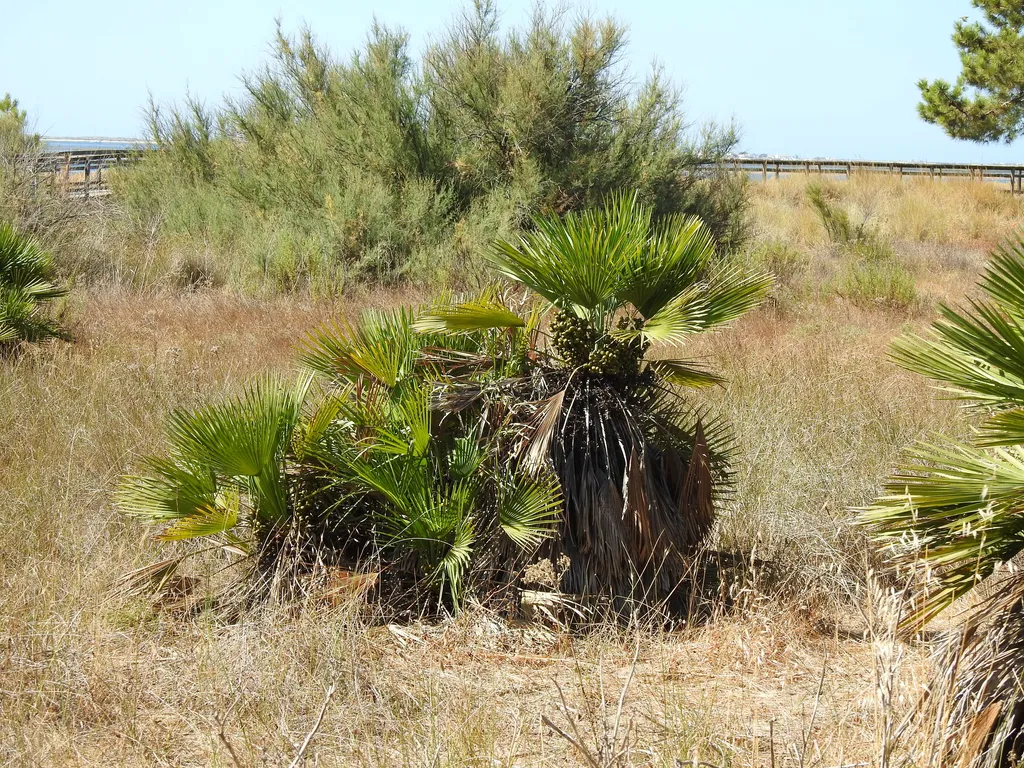
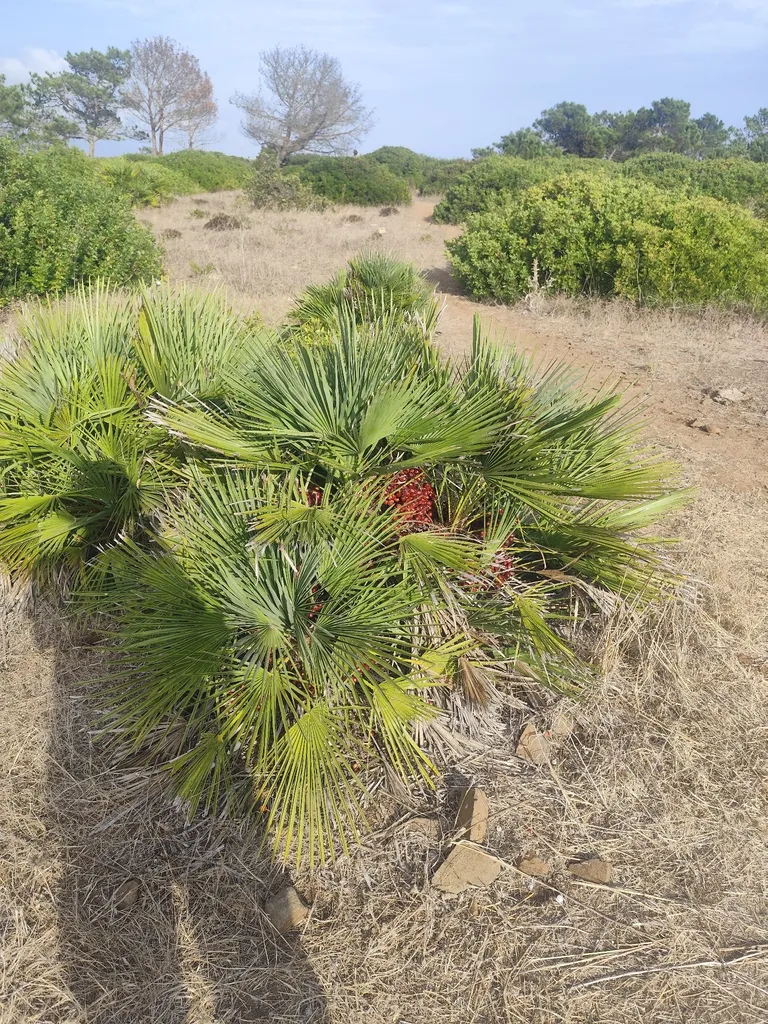
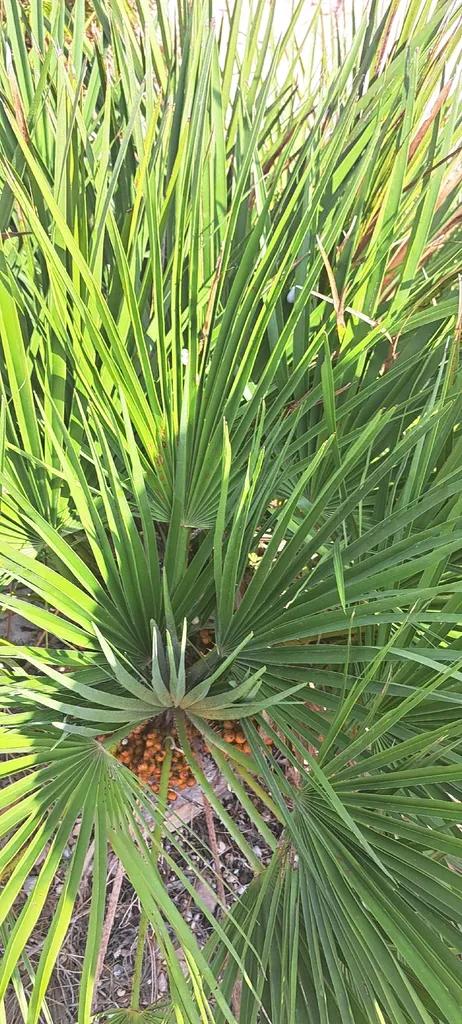
| Care difficulty | 2 / 5 |
|---|---|
| Watering schedule | Water deeply but infrequently, allowing the soil to dry out between waterings. |
| Sunlight requirements | Partial shade |
| Ideal temperature | 15 – 25 °C |
| Soil type | Loam |
| Soil pH | Acid · Neutral |
| Soil moisture | Well drained |
| Fertilizing | Apply a balanced palm fertilizer in spring and again in summer. |
| Toxicity | Information to be completed |
How to Water dwarf fan palm?
European fan palm thrives in its native Mediterranean climate, which provides a balance of sun and occasional rain. This species is adapted to periods of drought and can tolerate dry conditions once established. Its water habits are best described as moderate, with the plant requiring watering once every 1-2 weeks. European fan palm is typically grown outdoors due to its resilience and preference for full sunlight. As an evergreen plant, european fan palm's water needs remain consistent throughout the year, ensuring its foliage stays lush and vibrant.
Learn more →What Are the Sunlight Requirements for dwarf fan palm?
European fan palm thrives best in conditions that offer full sun, which enables robust growth and optimal health. The plant can tolerate partial sun, though this may impact its vigor, potentially leading to less dense foliage and slowed growth. European fan palm has developed adaptive traits to manage light exposure, such as the ability to orient its fan-like leaves towards light sources for maximum energy capture. When planted outdoors, european fan palm should be positioned in areas that receive unfiltered sunlight for the majority of the day. Lack of proper light may also result in paler leaf coloration. Proper light exposure is crucial for european fan palm to maintain its hardiness and aesthetic appeal.
Learn more →What Is the Ideal Temperature Range for dwarf fan palm?

European fan palm is impressively resilient, tolerating temperatures from -5℃ (23℉) to 43℃ (109℉). This broad scope allows it to endure both cold and heat extremes. Such adaptability makes european fan palm suitable for diverse climates, though protective measures are essential in harsh weather. During overly cold conditions, symptoms like browning leaves or stunted growth can appear, while extreme heat may cause leaf scorch or dehydration. Countermeasures include mulching and frost cloths for cold, and shading or increased watering in heat. This resilience reduces the risk of temperature-induced stress, ensuring healthier growth overall.
Learn more →What Soil Is Best for dwarf fan palm?
European fan palm requires well-draining soil. A suitable mix might include equal parts potting mix, coarse sand, and perlite, ensuring good aeration and drainage to avoid water-logging. If perlite is not available, pumice or gravel are viable substitutes. To enhance growth, incorporate a slow-release palm fertilizer following label directions during the growing season. Focusing on drainage is paramount for european fan palm's health.
- Soil type
- Loam
- Soil pH
- Acid · Neutral
What Are the Moisture Requirements for dwarf fan palm?
Well drained
Learn more →How to Fertilize dwarf fan palm?

Maintaining the vigor of european fan palm is predicated on periodic fertilization, which encourages robust growth and resilience. Ideally, balanced nutrition fertilizers, possibly complemented by high-nitrogen variants during active growth phases, will optimize european fan palm's foliage and root development. Fertilize european fan palm bimonthly in spring and summer, decreasing to the semiannual application in fall and further tapering off in winter, to align with european fan palm's seasonal growth dynamics. A light, evenly spread application, adhering to product-specific guidelines, mitigates potential over-fertilization risks. Frequent soil testing before fertilization can preempt nutrient imbalances. Wear gloves and wash hands post-application to handle fertilizers safely.
Learn more →How to Prune dwarf fan palm?

The european fan palm is a hardy, clump-forming plant with distinctive fan-shaped leaves. Pruning is best done in early spring to remove dead or damaged fronds, which helps improve air circulation and encourages new growth. Avoid over-pruning as it can stress the plant. Regularly trim spent flowers and fruit to maintain a tidy appearance and prevent disease. Proper pruning enhances the plant's aesthetic and promotes healthier growth.
Learn more →How to Propagate dwarf fan palm?

Indigenous to the Mediterranean, european fan palm is a robust, clumping palm that can be multiplied effectively by division. To do so, carefully excavate around the base to separate offshoots from the parent plant, ensuring minimal root disturbance. Once isolated, pot the divisions using a well-draining soil mix, keeping the environment moist until new growth indicates successful establishment. Noteworthy is european fan palm's hardiness, allowing divisions to adapt with resilience in favorable conditions, making it rewarding for budding gardeners.
Learn more →How to Transplant dwarf fan palm?
For optimal growth, transplant european fan palm during the prime period of early to mid-spring. This allows the plant to establish well in its new location, which should have well-drained soil and ample sunlight. Remember to handle european fan palm with care to avoid root damage and ensure a successful transition.
Learn more →How to Care for dwarf fan palm in Winter?

European fan palm hails from the Mediterranean’s mild winters, naturally adapting with a high cold tolerance. Its frost-hardy fronds, coupled with slow growth, ensure winter survival. Gardeners need to safeguard european fan palm by decreasing watering during winter, protecting roots with mulch, and wrapping young plants for extreme frosts. This resilient plant invites an understanding of its robust yet adaptive winter nature.
Learn more →How to Plant dwarf fan palm?
Indoors-potted: In an indoor setting, european fan palm adds a tropical touch to your home. Ensure ample space as it can grow quite tall, and rotate the pot periodically for even growth. Outdoors-potted: European fan palm thrives outdoors in a pot with good drainage; be mindful of its sharp spines when positioning it on patios or balconies. Outdoors-in the ground: When planted in the ground, european fan palm becomes a hardy focal point in your garden. It tolerates drought but protect young plants from extreme cold.
Learn more →How to Repot dwarf fan palm?
Repot european fan palm, a compact, slow-growing bush, every 1-2 years, ideally during spring for vigorous growth. Choose a container one size larger to accommodate its roots. Post-repotting, ensure european fan palm receives bright, indirect light and moderate watering. The fresh, well-draining soil will help european fan palm thrive without much fuss. Friendly reminder: european fan palm's resilient nature makes it a delightful, low-maintenance green companion!
Learn more →Common Pests & Diseases

Diseases
May be susceptible to honey fungus (rarely)
Pests
May be susceptible to glasshouse red spider mite, thrips and scale insects
Explore the plant health library →Troubleshooting
Yellowing Lower Leaves, Root Rot, or Crispy Brown Edges
dwarf fan palm (Chamaerops humilis) thrives in warm, humid conditions with evenly moist, well-aerated compost; soggy soil suffocates roots, while dry indoor air, hard tap water, or direct hot sun crisps leaf margins.
| What you notice | Possible explanation | What to check next |
|---|---|---|
| Multiple lower or inner leaves turn yellow and limp while potting mix remains heavy and wet | Overwatering, dense poorly drained compost, or cold drafts causing root rot | Feel two inches into the potting mix, check drainage holes, and verify room temperature stays above 15°C (59°F) |
| Leaf tips or margins turn brown and dry while center leaves stay green, or bleached patches appear on sunny sides | Low indoor air humidity, mineral/fluoride buildup from hard tap water (common in Marantaceae/Dracaena/palms), or harsh direct sun scorch | Check proximity to heaters/vents, water quality, and whether midday direct sun hits the foliage |
- Pot in an airy, humus-rich, well-drained mix (amended with bark, perlite, or coarse grit) in a container with open drainage holes.
- Water properly: Water deeply but infrequently, allowing the soil to dry out between waterings., and reduce watering during cooler winter months without letting the root ball desiccate completely.
- Provide bright indirect light out of scorching midday sun, boost ambient humidity with a pebble tray or humidifier (using rainwater or distilled water for salt-sensitive prayer plants and dracaenas), and keep away from cold drafts.
Stop watering and inspect roots if stems or rhizomes turn mushy at the soil line; trim decayed roots and repot into fresh airy mix.
Fine Webbing, Sticky Residue, or Leaf Spots
Warm, dry indoor air favors spider mites, mealybugs, and scale on dwarf fan palm (Chamaerops humilis), while stagnant wet foliage encourages fungal or bacterial leaf spots.
| What you notice | Possible explanation | What to check next |
|---|---|---|
| Speckled pale stippling with fine webbing under leaves, or white cottony clusters along petioles and veins | Sap-sucking pests (May be susceptible to glasshouse red spider mite, thrips and scale insects) | Inspect leaf undersides, midribs, and petiole sheaths with a magnifier |
| Dark water-soaked or yellow-haloed spots expanding on leaves in cool, stagnant, humid conditions | Suspected leaf spot or fungal blight (May be susceptible to honey fungus (rarely)) | Check whether water sits on leaves overnight and assess room airflow |
- Isolate affected plants, wipe leaf surfaces and undersides gently with a damp cloth, and apply insecticidal soap or horticultural oil per label directions.
- Remove heavily spotted leaves at the base with sterilized shears, water at the soil surface rather than over the crown, and improve gentle air circulation.
- Keep foliage clean of dust so leaves photosynthesize efficiently.
Avoid spraying foliage in stagnant, cool rooms where leaves cannot dry within a few hours.