



Planting and Growing Asplenium antiquum 'Leslie'

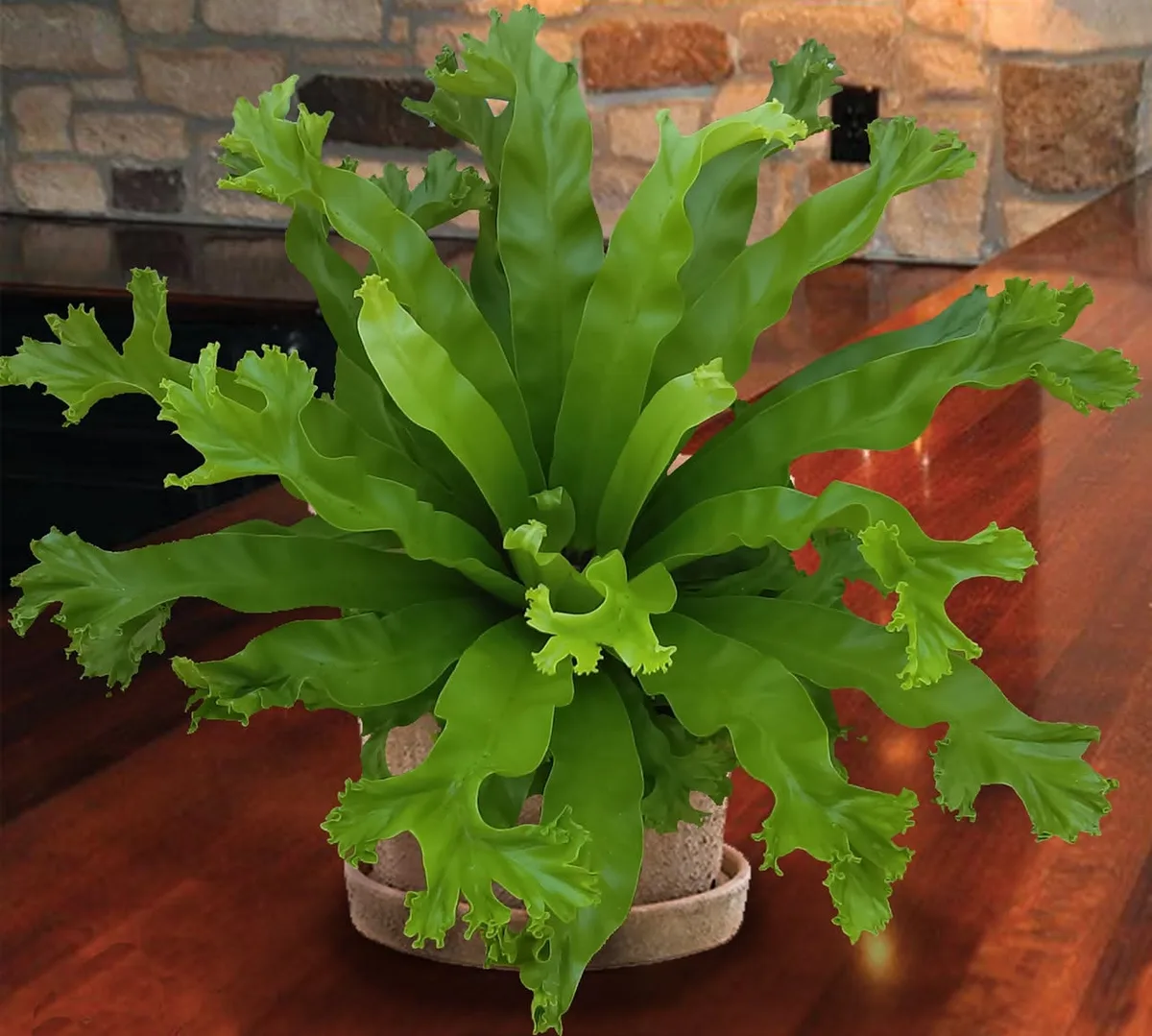
| Care difficulty | 3 / 5 |
|---|---|
| Watering schedule | Keep soil consistently moist with higher humidity and no hot drying winds |
| Sunlight requirements | Partial shade |
| Ideal temperature | Information to be completed |
| Soil type | Chalk · Clay · Loam · Sand |
| Soil pH | Alkaline · Neutral |
| Soil moisture | Moist but well drained |
| Fertilizing | Very dilute fern feed monthly during warm active frond growth |
| Toxicity | Information to be completed |
How to Water Asplenium antiquum 'Leslie'?
Keep soil consistently moist with higher humidity and no hot drying winds
Learn more →What Are the Sunlight Requirements for Asplenium antiquum 'Leslie'?
Partial shade
Learn more →What Soil Is Best for Asplenium antiquum 'Leslie'?
- Soil type
- Chalk · Clay · Loam · Sand
- Soil pH
- Alkaline · Neutral
What Are the Moisture Requirements for Asplenium antiquum 'Leslie'?
Moist but well drained
Learn more →How to Fertilize Asplenium antiquum 'Leslie'?

Very dilute fern feed monthly during warm active frond growth
Learn more →How to Prune Asplenium antiquum 'Leslie'?

Dead or damaged fronds may be removed as necessary
Learn more →How to Propagate Asplenium antiquum 'Leslie'?

Propagate by division in spring. Peeled leaf bases can be taken off from where the stem joins with the root. Old leaf bases that are green at the base are incubated in a plastic bag of loam based media. Green swellings can be found and potted to raise new plants
Learn more →How to Plant Asplenium antiquum 'Leslie'?
Grow in moist but well-drained soil, allowing the compost dry out between waterings. Misting the leaves regularly with water will help improve the humidity around the plant, and feed with a diluted liquid fertiliser (only one quarter the recommended strength), when watering from late spring to early autumn.
Learn more →Common Pests & Diseases

Diseases
May be susceptible to rust
Pests
May be susceptible to leaf and bud eelworms and scale insects
Explore the plant health library →