



Planting and Growing Oncidium naevium

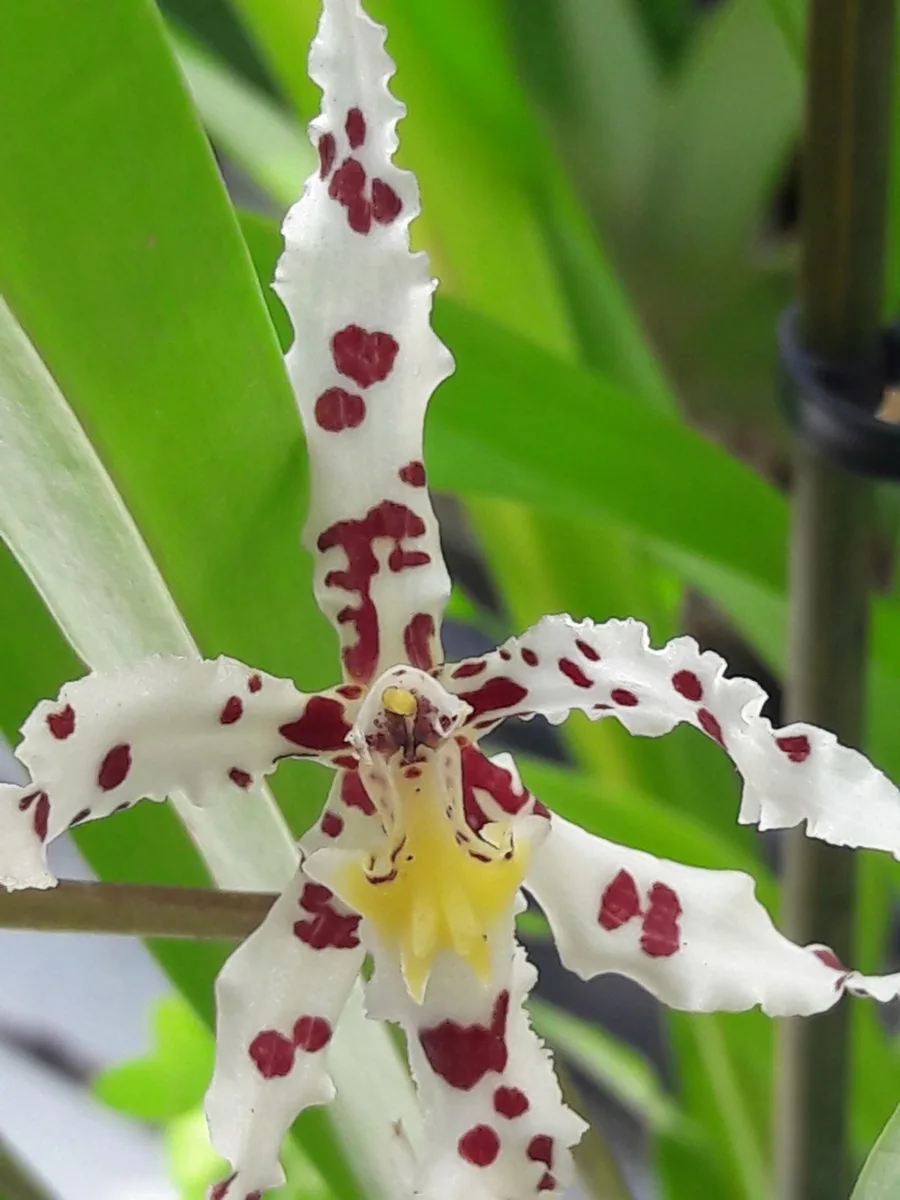
| Care difficulty | 3 / 5 |
|---|---|
| Watering schedule | Moderate regular watering, allowing brief slight drying between soakings |
| Sunlight requirements | Partial shade |
| Ideal temperature | Information to be completed |
| Soil type | Information to be completed |
| Soil pH | Neutral |
| Soil moisture | Moist but well drained · Well drained |
| Fertilizing | Balanced perennial feed every four weeks from spring through summer |
| Toxicity | Skin allergen. Wear gloves and other protective equipment when handling |
How to Water Oncidium naevium?
Moderate regular watering, allowing brief slight drying between soakings
Learn more →What Are the Sunlight Requirements for Oncidium naevium?
Partial shade
Learn more →What Is the Ideal Temperature Range for Oncidium naevium?

Information to be completed
Learn more →What Soil Is Best for Oncidium naevium?
- Soil type
- Information to be completed
- Soil pH
- Neutral
What Are the Moisture Requirements for Oncidium naevium?
Moist but well drained · Well drained
Learn more →How to Fertilize Oncidium naevium?

Balanced perennial feed every four weeks from spring through summer
Learn more →How to Prune Oncidium naevium?

No pruning required. Cut off spent flower spikes.
Learn more →How to Propagate Oncidium naevium?

Propagation by seed is only possible in a controlled laboratory environment. Mature plants may be divided when the plant overgrows its container. Each division should have at least 3 older pseudobulbs with a sufficient amount of stored energy and water, to support new growth and reduce stress after repotting.
Learn more →How to Transplant Oncidium naevium?
Information to be completed
Learn more →How to Care for Oncidium naevium in Winter?

Information to be completed
Learn more →How to Plant Oncidium naevium?
Grow in an open bark-based orchid compost with addition of perlite, sphagnum moss or coir. Provide enough bright filtered light, but keep away from direct sunlight or a heating source. Ideal temperatures are around minimum 8°C at night and up to maximum 25 °C during day. Water regularly, when the pot feels light when lifted. Ensure that all water drains away, preventing the plant sitting wet. Orchid fertiliser can be applied regularly throughout the growing season. Reduce watering and feeding in winter months. For more notes on cultivation, see oncidium orchid (cool) cultivation
Learn more →How to Repot Oncidium naevium?
Information to be completed
Learn more →How to Harvest Oncidium naevium?

Information to be completed
Learn more →Common Pests & Diseases

Diseases
Generally disease-free. Poor air movement may cause bacterial or fungal rots. Good hygiene practice and sterilising cutting tools prevent the spread of virus diseases.
Pests
May be susceptible to mealybugs, aphids and scale insects.
Explore the plant health library →The Toxicity of Oncidium naevium
Skin allergen. Wear gloves and other protective equipment when handling