



Planting and Growing hebe 'Jewel of the Nile'

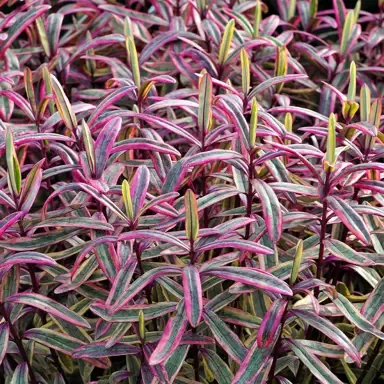
| Care difficulty | 2 / 5 |
|---|---|
| Watering schedule | Moderate regular watering, avoid prolonged waterlogging |
| Sunlight requirements | Full sun · Partial shade |
| Ideal temperature | Information to be completed |
| Soil type | Chalk · Clay · Loam · Sand |
| Soil pH | Neutral |
| Soil moisture | Moist but well drained · Well drained |
| Fertilizing | Light balanced feed in spring and midsummer |
| Toxicity | Information to be completed |
How to Water hebe 'Jewel of the Nile'?
Moderate regular watering, avoid prolonged waterlogging
Learn more →What Are the Sunlight Requirements for hebe 'Jewel of the Nile'?
Full sun · Partial shade
Learn more →What Soil Is Best for hebe 'Jewel of the Nile'?
- Soil type
- Chalk · Clay · Loam · Sand
- Soil pH
- Neutral
What Are the Moisture Requirements for hebe 'Jewel of the Nile'?
Moist but well drained · Well drained
Learn more →How to Fertilize hebe 'Jewel of the Nile'?

Light balanced feed in spring and midsummer
Learn more →How to Prune hebe 'Jewel of the Nile'?

Prune lightly as needed to remove unwanted shoots and keep the shrub in shape. Prune in mid- to late spring.
Learn more →How to Propagate hebe 'Jewel of the Nile'?

Propagate by semi-ripe cuttings in summer for home use
Learn more →How to Plant hebe 'Jewel of the Nile'?
Grows well in moderately fertile, well-drained soil, full sun is best as too much shade could affect variegation. Keep sheltered away from the worst of the weather. May require winter protection in cold areas
Learn more →Common Pests & Diseases

Diseases
May be susceptible to downy mildews, fungal leaf spot, fungal rot, Phytophthora and sometimes honey fungus
Pests
Maybe susceptible to aphids
Explore the plant health library →