



Planting and Growing Cleisostoma paniculatum

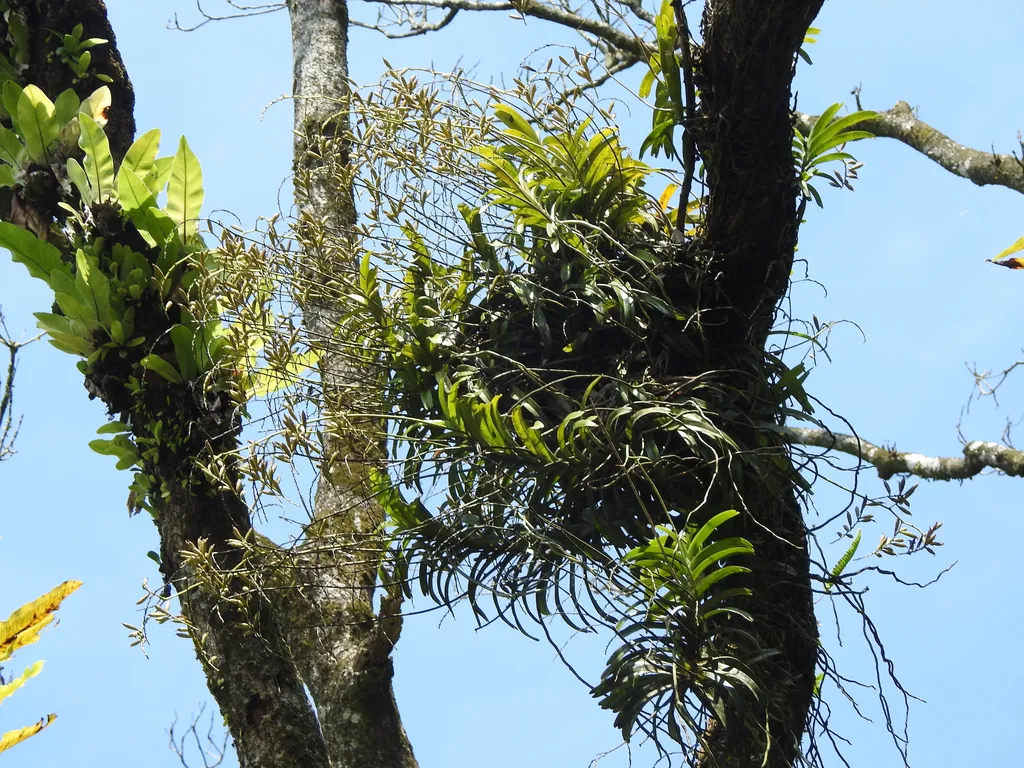
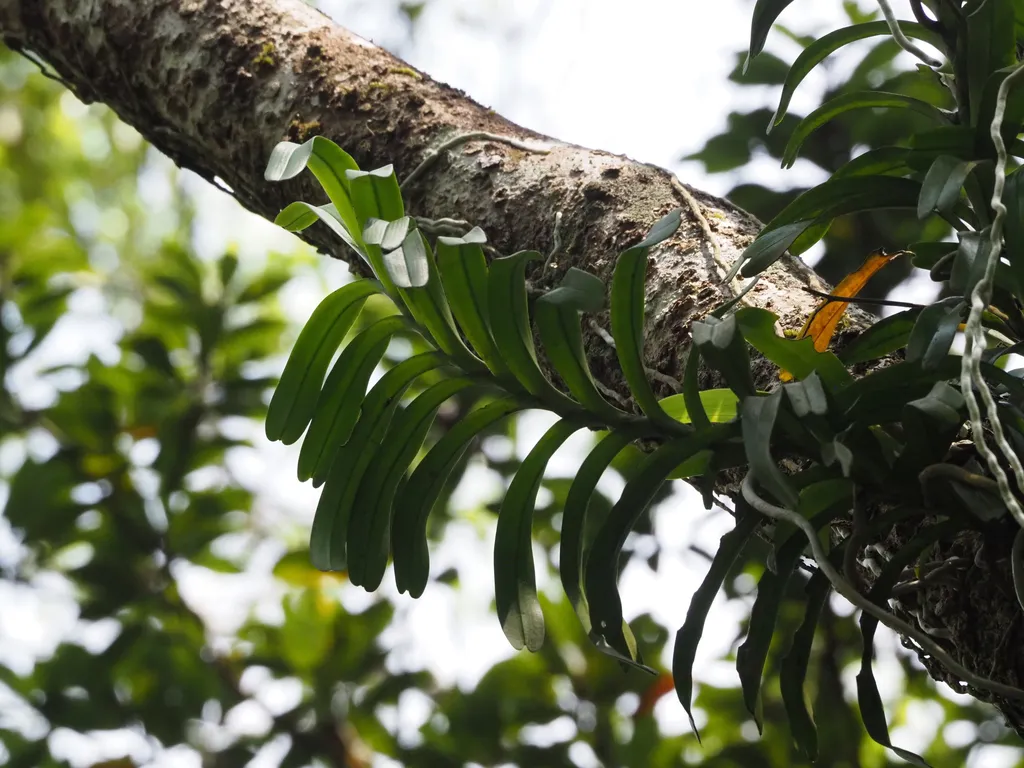
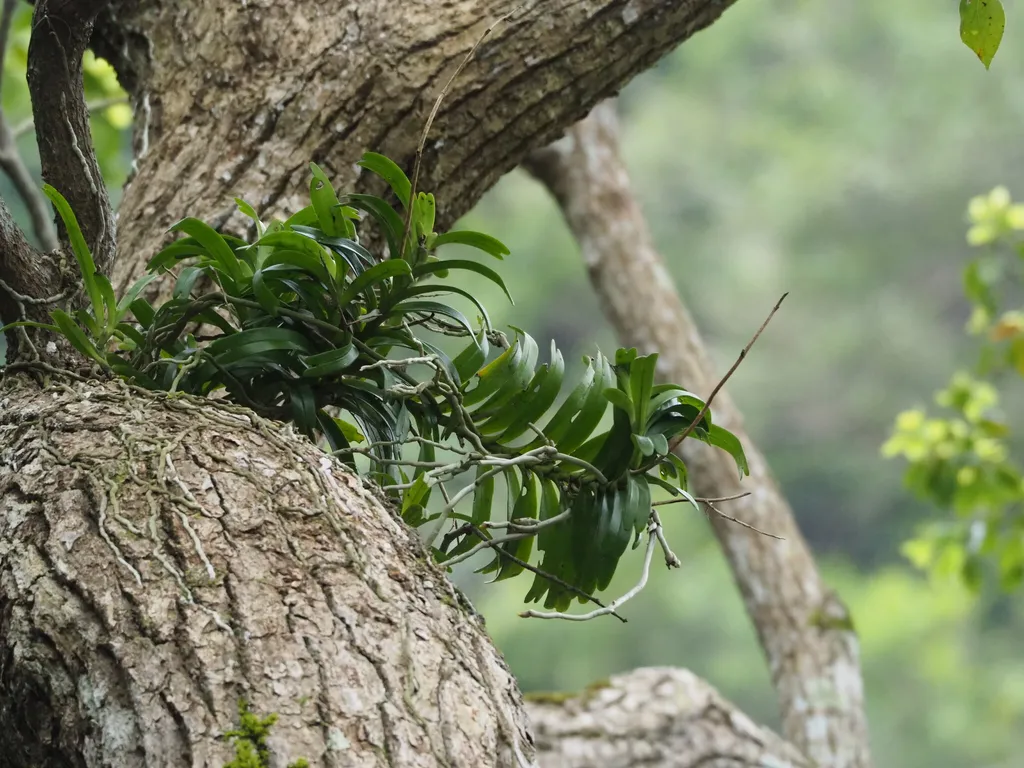
| Care difficulty | 4 / 5 |
|---|---|
| Watering schedule | Moderate regular watering, avoid prolonged drought or waterlogging |
| Sunlight requirements | Full sun · Partial shade |
| Ideal temperature | Information to be completed |
| Soil type | Information to be completed |
| Soil pH | Neutral |
| Soil moisture | Well drained · Moist but well drained |
| Fertilizing | Balanced feed in spring and light repeat in growth season |
| Toxicity | Information to be completed |
How to Water Cleisostoma paniculatum?
Moderate regular watering, avoid prolonged drought or waterlogging
Learn more →What Are the Sunlight Requirements for Cleisostoma paniculatum?
Full sun · Partial shade
Learn more →What Is the Ideal Temperature Range for Cleisostoma paniculatum?

Information to be completed
Learn more →What Soil Is Best for Cleisostoma paniculatum?
- Soil type
- Information to be completed
- Soil pH
- Neutral
What Are the Moisture Requirements for Cleisostoma paniculatum?
Well drained · Moist but well drained
Learn more →How to Fertilize Cleisostoma paniculatum?

Balanced feed in spring and light repeat in growth season
Learn more →How to Prune Cleisostoma paniculatum?

Remove spent flower stems at the base. Old, ''leggy'' plants with bare stems can be cut during their active growing season to reduce the size of the plant. Cut through the rhizome, below the new developed set of aerial roots. Lowering apical dominance by laying plant horizontally, or hanging upside down will support the growth of new roots
Learn more →How to Propagate Cleisostoma paniculatum?

Propagation by seed is only possible in a controlled laboratory environment. Mature plants produce sideshoots (keiki) which may be removed and potted separately, when the new roots (preferably 3 or more) are at least 2cm long
Learn more →How to Transplant Cleisostoma paniculatum?
Information to be completed
Learn more →How to Care for Cleisostoma paniculatum in Winter?

Information to be completed
Learn more →How to Plant Cleisostoma paniculatum?
For successful cultivation and frequent flowering, plants require high light levels and long, light days. In summer, they would benefit from being in a warm and bright greenhouse or conservatory, but direct, mid-day sun should be avoided. The shape of leaves may indicate the plant's light requirements. Wider, darker leaves prefer bright but indirect sunlight, while thinner or pencil-like leaves need larger amount of bright light. Darker tips of the roots are a sign of actively growing plant. High air humidity (70 -80%), good air circulation and regular misiting should be provided frequently when in active growth. In cooler climates with shorter days, plants may go dormant in winter. Misting may be reduced to avoid rots, but plants shouldn't be left dry for long periods. Ideal temperature range is 15°C in winter and up to 30°C during summer months. Plants can be grown in an open baskets, or in a coarse, bark-based epiphyte orchid mix. They are heavy feeders and require regular application of orchid fertiliser between spring and autumn
Learn more →How to Repot Cleisostoma paniculatum?
Information to be completed
Learn more →How to Harvest Cleisostoma paniculatum?

Information to be completed
Learn more →Common Pests & Diseases

Diseases
Generally disease-free. Poor air movement may cause bacterial or fungal rots. Good hygiene practice and sterilising cutting tools prevent the spread of virus diseases
Pests
May be susceptible to scale insect and mealybugs. Thrips can cause damage on flowers and developing flower buds
Explore the plant health library →The Toxicity of Cleisostoma paniculatum
Information to be completed