



Planting and Growing silver torch

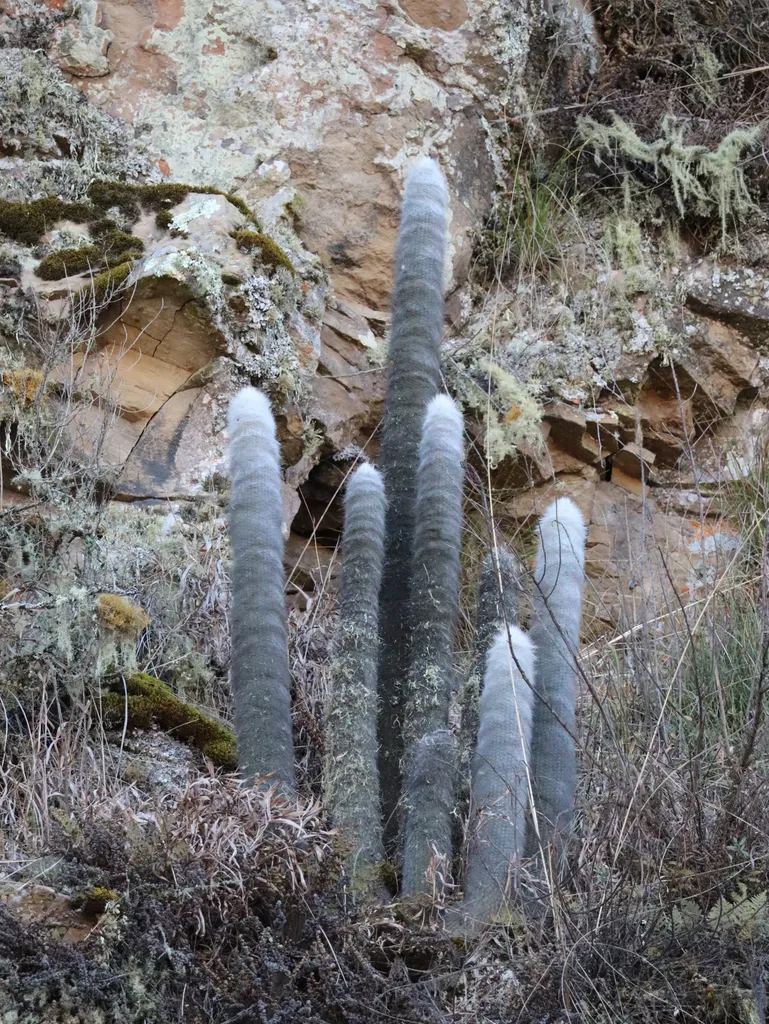
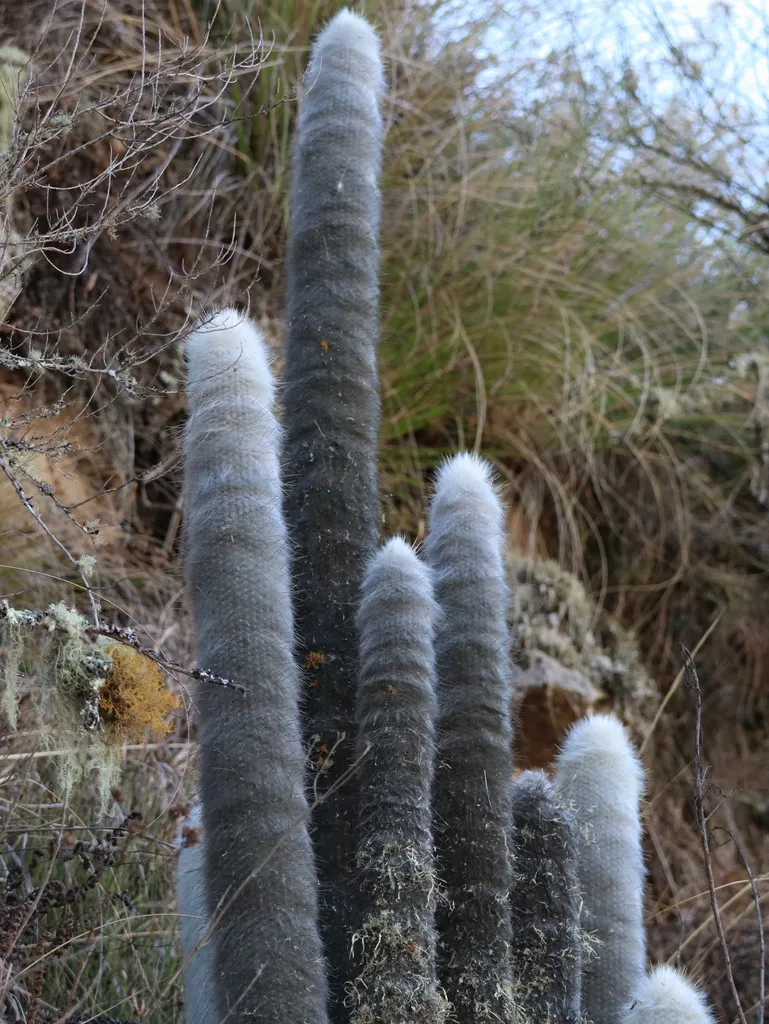
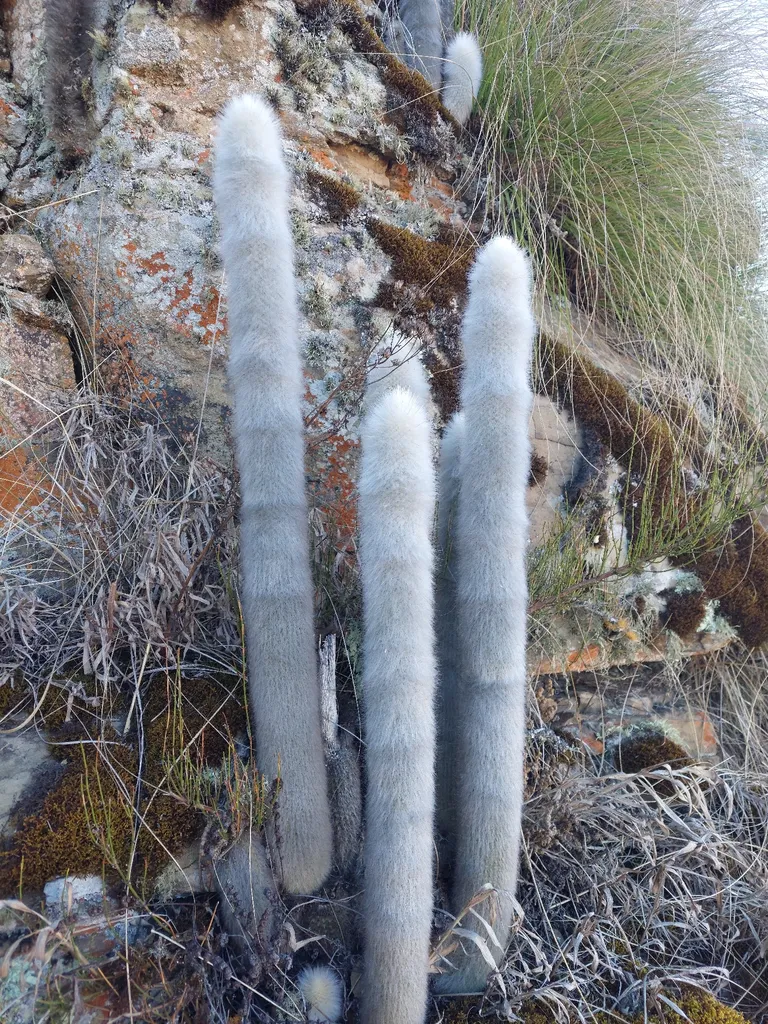
| Care difficulty | 2 / 5 |
|---|---|
| Watering schedule | Completely dry substrate between watering, nearly no water through cold winter |
| Sunlight requirements | Full sun |
| Ideal temperature | 18 – 28 °C |
| Soil type | Loam · Sand |
| Soil pH | Acid · Alkaline · Neutral |
| Soil moisture | Well drained |
| Fertilizing | Weak low-nitrogen cactus feed monthly only in warm summer months |
| Toxicity | Information to be completed |
How to Water silver torch?
Silver torch is a desert-dwelling species, adapted to arid conditions and known for its drought tolerance. This plant maintains a relative balance in water content despite harsh environments. Watering should be done once every four weeks to mimic its natural habitat. As an outdoor plant, silver torch enters dormancy during colder months, reducing its water needs significantly.
Learn more →What Are the Sunlight Requirements for silver torch?
Silver torch is a heliophilic plant and needs sufficient sunlight for its growth and blooming. It can be placed on the outdoor balcony or in the garden without shade. However, long-time exposure to blazing sunlight should be avoided in hot summer, when it needs to be shaded or cooled a little to prevent high temperatures from damaging it.
Learn more →What Is the Ideal Temperature Range for silver torch?

Silver torch exhibits strong temperature resilience, tolerating 0℃ (32℉) to 45℃ (113℉). This adaptability makes silver torch suitable for various climates but necessitates protection during extremes. In cold conditions, symptoms of stress include shriveling and discolored patches, while excessive heat can lead to wilting and sunburn. To counteract overcooling, provide insulation or relocate indoors. For overheating, ensure shade and adequate watering. Proper care can help silver torch thrive despite temperature variations.
Learn more →What Soil Is Best for silver torch?
For optimal growth, silver torch requires excellent soil aeration and drainage. A suitable mix includes equal parts cactus soil, perlite, and coarse sand. If perlite is unavailable, pumice or grit can be used. Ensure proper drainage by using containers with multiple drainage holes. Adding slow-release, low-nitrogen fertilizer in early spring and midsummer can support growth. Regularly check that the soil remains loose and well-draining to prevent water-logging and root rot.
- Soil type
- Loam · Sand
- Soil pH
- Acid · Alkaline · Neutral
What Are the Moisture Requirements for silver torch?
Well drained
Learn more →How to Fertilize silver torch?

For silver torch, apply a succulent-specific fertilizer during active growth in spring and summer. Bi-monthly feeding with half-strength doses promotes robust growth and abundant flowering without risking over-fertilization. Reduce frequency in fall and cease in winter as silver torch enters dormancy. Always water silver torch before fertilizing to prevent root burn and ensure nutrient uptake. Use well-diluted solutions to maintain silver torch's natural growth pace and avoid nutrient build-up in soil. Adhering to specific fertilization schedules ensures silver torch thrives with optimal health and vibrant blooms.
Learn more →How to Prune silver torch?

Silver torch does not require much pruning. Remove withered flowers and branches so the plant uses nutrients on healthy growth.
Learn more →How to Propagate silver torch?

Silver torch is best propagated through cuttings. To ensure successful growth, take healthy, disease-free stem segments and allow the cut surface to callus over for a couple of days before planting in well-draining soil. Keep the soil moist but not waterlogged, and provide bright, indirect light to encourage rooting. Patience is key, as roots may take time to develop. With careful attention, the cuttings will gradually establish and grow into new, vigorous specimens.
Learn more →How to Transplant silver torch?
The prime window for relocating silver torch is during the gentler warmth of mid to late spring, a period that encourages robust root establishment. Select a sunny spot with good drainage, and when transplanting silver torch, handle with care to minimize root stress.
Learn more →How to Care for silver torch in Winter?

Information to be completed
Learn more →How to Plant silver torch?
Sow, plant, or repot in spring or fall when the temperature is 15 to 20 ℃ . Keep air humidity high when seeding. Use plastic film to cover the soil and remove it after the seeds germinate. Use permeable clay flowerpots for potted plants. Too large a flowerpot accumulates water easily, while too small a flowerpot limits the development of roots. Before planting, expose soil to blazing sunlight and disinfect to kill pathogens. If planted in the garden, silver torch prefers an area with full sun and loose soil. Remove all weeds and replace the soil if needed to ensure good water permeability and avoid root rot. Wear gloves or use tongs when planting to prevent your fingers from getting pricked. You can also wrap the plant in a towel to help you move it.
Learn more →How to Repot silver torch?
For the towering silver torch, repot every 2-3 years to accommodate its vertical growth. Spring is ideal, aligning with its active phase. Choose a tall, sturdy container that supports its columnar shape. Ensure a quick-draining soil mix. Post-repot, place in bright, indirect light and water sparingly to prevent root rot and encourage robust growth.
Learn more →How to Harvest silver torch?

Most fruits of silver torch are edible. Pick the fruit when they turn red. Avoid food safety issues by confirming the species with experts. Wear gloves or use scissors and other tools to harvest.
Learn more →Common Pests & Diseases

Diseases
Generally disease free
Pests
Can be attacked by mealybugs
Explore the plant health library →The Toxicity of silver torch
Information to be completed