



Planting and Growing Dendrobium lindleyi

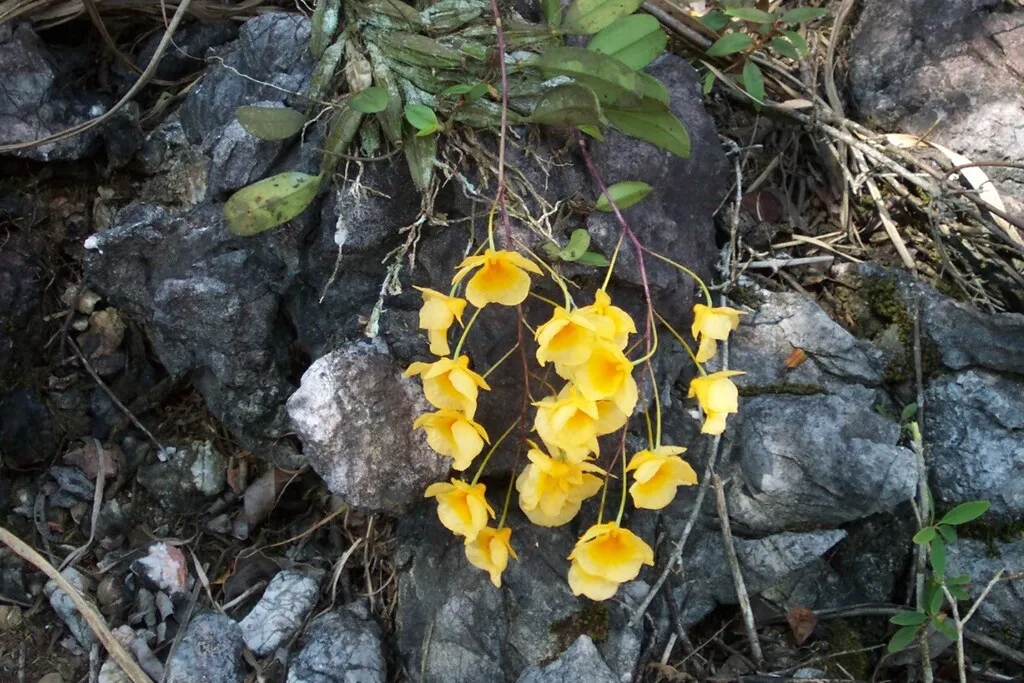
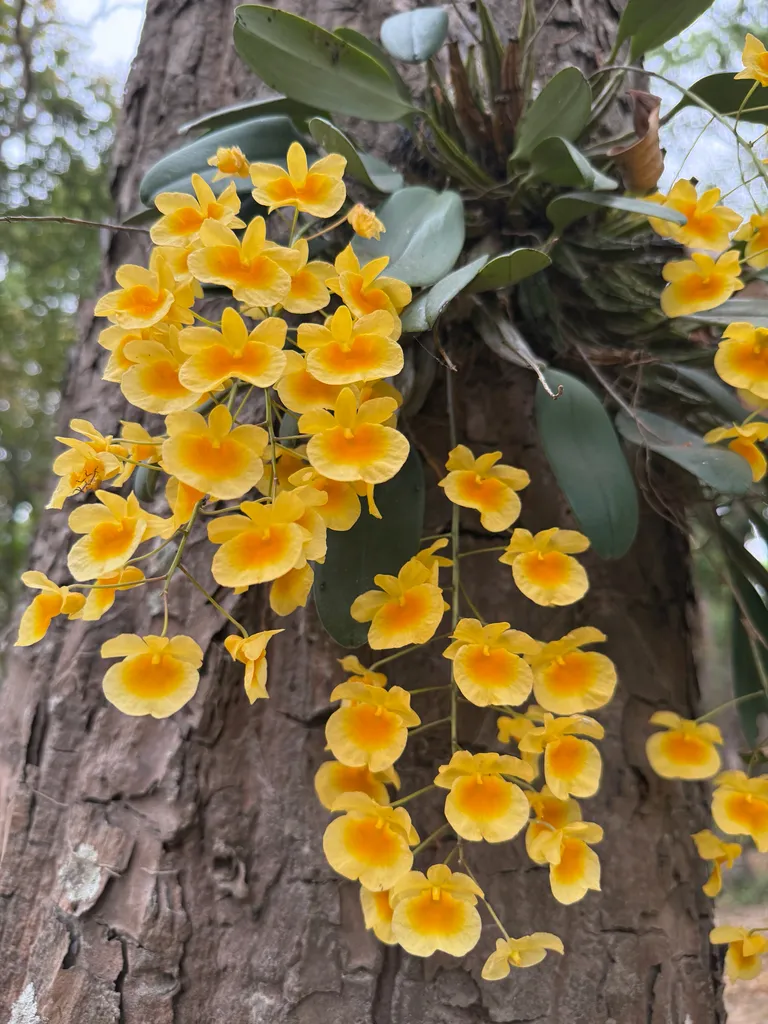
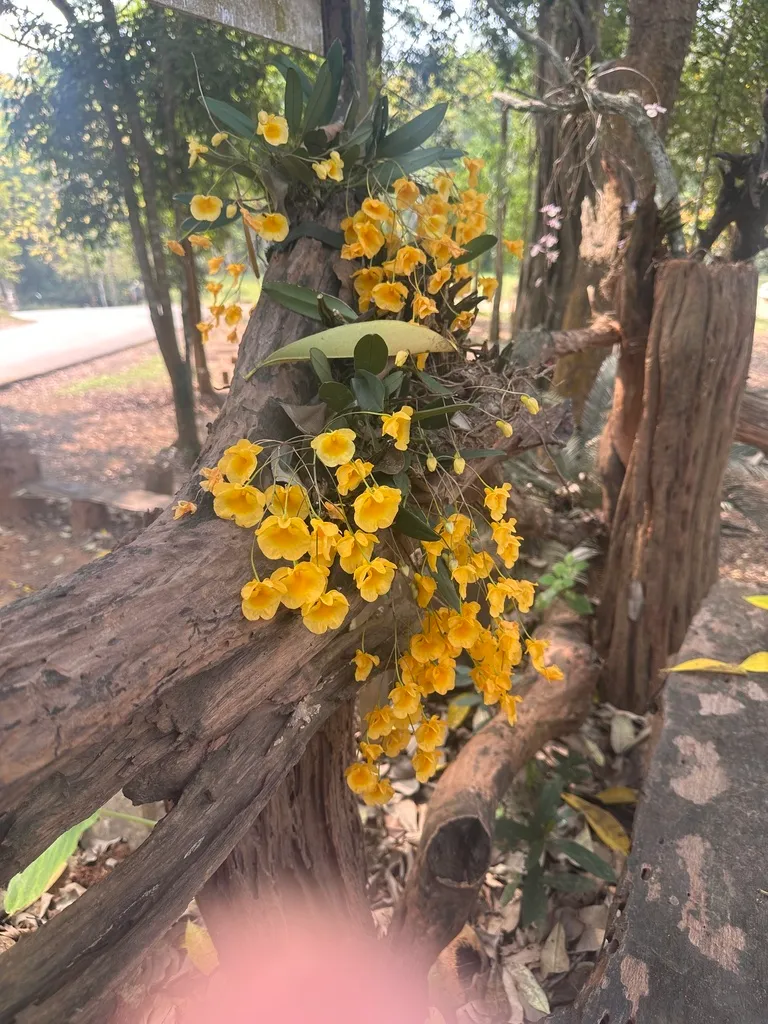
| Care difficulty | 4 / 5 |
|---|---|
| Watering schedule | Water when medium is nearly dry; reduce in winter |
| Sunlight requirements | Partial shade · Full sun |
| Ideal temperature | 20 – 28 °C |
| Soil type | Information to be completed |
| Soil pH | Neutral |
| Soil moisture | Well drained |
| Fertilizing | Weekly with quarter-strength orchid fertilizer during growth |
| Toxicity | Information to be completed |
How to Water Dendrobium lindleyi?
Thriving in the humid climes of its native tropical rainforest, lindleys dendrobium has adapted to require consistent moisture. This species exhibits a preference for high humidity and moderate drought tolerance. Care should include watering lindleys dendrobium twice a week to maintain its lush growth. As an epiphytic orchid often grown indoors due to its need for controlled environmental conditions, lindleys dendrobium benefits greatly from misting, which emulates the moist habitat it originates from and supports its flowering potential.
Learn more →What Are the Sunlight Requirements for Dendrobium lindleyi?
Lindleys dendrobium thrives best under partial sun conditions, benefiting from bright but indirect light for robust growth and flowering. This orchid can tolerate full sun, yet excessive exposure may lead to leaf burn or stress, potentially impacting its health and reducing bloom vitality. Adaptively, lindleys dendrobium may exhibit leaf color shifts to reflect light intensity changes, with lighter green signaling a need for reduced light. Ideally, indoor lindleys dendrobium should be placed near east or south-facing windows, while outdoor specimens prefer locations with dappled afternoon shade to mimic their native habitats.
Learn more →What Is the Ideal Temperature Range for Dendrobium lindleyi?

Lindleys dendrobium exhibits notable temperature tolerance, enduring fluctuations between 0℃ (32℉) and 43℃ (109℉). This resilience makes it adaptable to various climates, although protective measures are necessary during extreme conditions. In cold weather, weak, discolored leaves may indicate stress, while in excessive heat, drooping or scorched leaves can occur. Countermeasures for cold include providing frost cloths, and for heat, ensuring ample shade and hydration. Its broad temperature range suggests suitability for diverse environments, but mindful care remains crucial to maintaining its health.
Learn more →What Soil Is Best for Dendrobium lindleyi?
For lindleys dendrobium, ensuring excellent soil aeration and drainage is crucial. Use an orchid potting mix or create a mix with bark, perlite, and charcoal. If bark is unavailable, sphagnum moss can be an alternative. Proper drainage is vital to avoid water-logging. Enhance growth by using a balanced orchid fertilizer every two weeks during the growing season, reducing it in dormancy. Ensure the pot has ample drainage holes.
- Soil type
- Information to be completed
- Soil pH
- Neutral
What Are the Moisture Requirements for Dendrobium lindleyi?
Well drained
Learn more →How to Fertilize Dendrobium lindleyi?

For lindleys dendrobium, a balanced or high phosphorus fertilizer encourages blooming and vigor. Fertilize bi-weekly during growth and monthly in winter, using one-quarter strength. Over-fertilizing can harm lindleys dendrobium; ensure proper dilution. Gradually reduce fertilization as daylight decreases to prevent over-nourishment. Applying the correct amounts ensures healthy growth without nutrient burn, enhancing lindleys dendrobium's vitality and floral display.
Learn more →How to Prune Dendrobium lindleyi?

Characterized by its cascading yellow flowers, lindleys dendrobium benefits from pruning to remove dead or diseased pseudobulbs and stems, promoting healthier growth. The optimal time for pruning is from early spring to late winter, aligning with its growth cycle. Regular pruning helps improve air circulation, light penetration, and prevents pest issues, ensuring a vibrant display of blooms. Always use sterilized tools to avoid infections and focus on stems that have completed their flowering phase.
Learn more →How to Propagate Dendrobium lindleyi?

Originating in Southeast Asia, lindleys dendrobium is a popular epiphytic orchid favored for its vibrant blooms. Propagation of lindleys dendrobium is effectively achieved through division, where existing plants with multiple pseudobulbs are gently separated into smaller segments. Each division must have at least three healthy pseudobulbs to ensure adequate energy for growth. When repotting the divisions, a well-draining orchid medium is essential to support the new growth while preventing moisture-related issues. Careful handling during division and attention to immediate post-propagation care are crucial for the successful establishment of the new plants.
Learn more →How to Transplant Dendrobium lindleyi?
For lindleys dendrobium, the sweet spot for transplanting is during the gentle wane of warm weather, often spanning late summer to mid-fall. Ensuring a well-drained location with dappled sunlight will give lindleys dendrobium a thriving start. Remember, a sympathetic touch aids in its delicate transition.
Learn more →How to Care for Dendrobium lindleyi in Winter?

Information to be completed
Learn more →How to Plant Dendrobium lindleyi?
You do not need a large pot to grow an lindleys dendrobium as it won't produce a vigorous root system that occupies much space. If the pot is too large, the soil tends to collect water and cause root rot. The height of the pot should be 2.5 cm taller than the (pseudo)bulb of the lindleys dendrobium. You can easily buy lindleys dendrobium in a local gardening store and simply place it in breathable, well-drained substrate. After planting, use upright sticks to support flowering branches. In warm, humid climates, cover the root of lindleys dendrobium with sphagnum moss and attach them to a tree with strings.
Learn more →How to Repot Dendrobium lindleyi?
Information to be completed
Learn more →How to Harvest Dendrobium lindleyi?

If you want to display lindleys dendrobium flowers in vases, harvest there are only 2-3 flowers blooming on the stem. Cut diagonally at the bottom of the flower stem, and place it in a vase immediately. You can enjoy the cut flower in clean water for about 14 days, or for a longer time with preservatives.
Learn more →Common Pests & Diseases

Diseases
Generally disease-free.
Pests
May be susceptible to scale insects, aphids, mealybugs and red spider mite.
Explore the plant health library →The Toxicity of Dendrobium lindleyi
Information to be completed