



Planting and Growing Natal lily

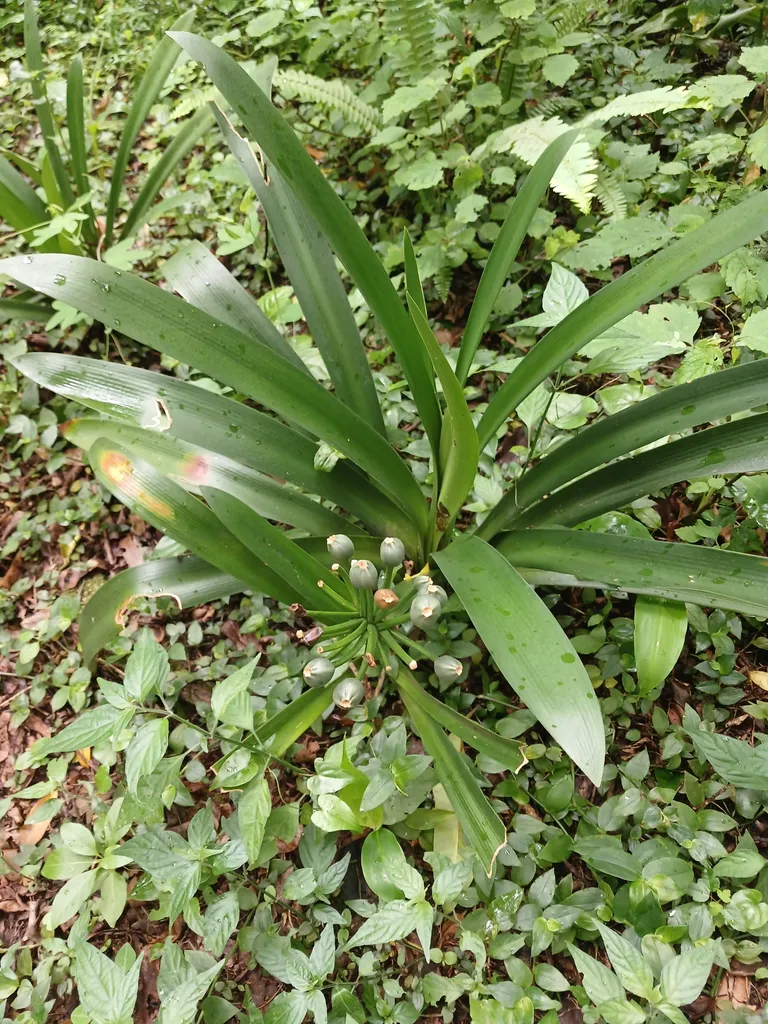
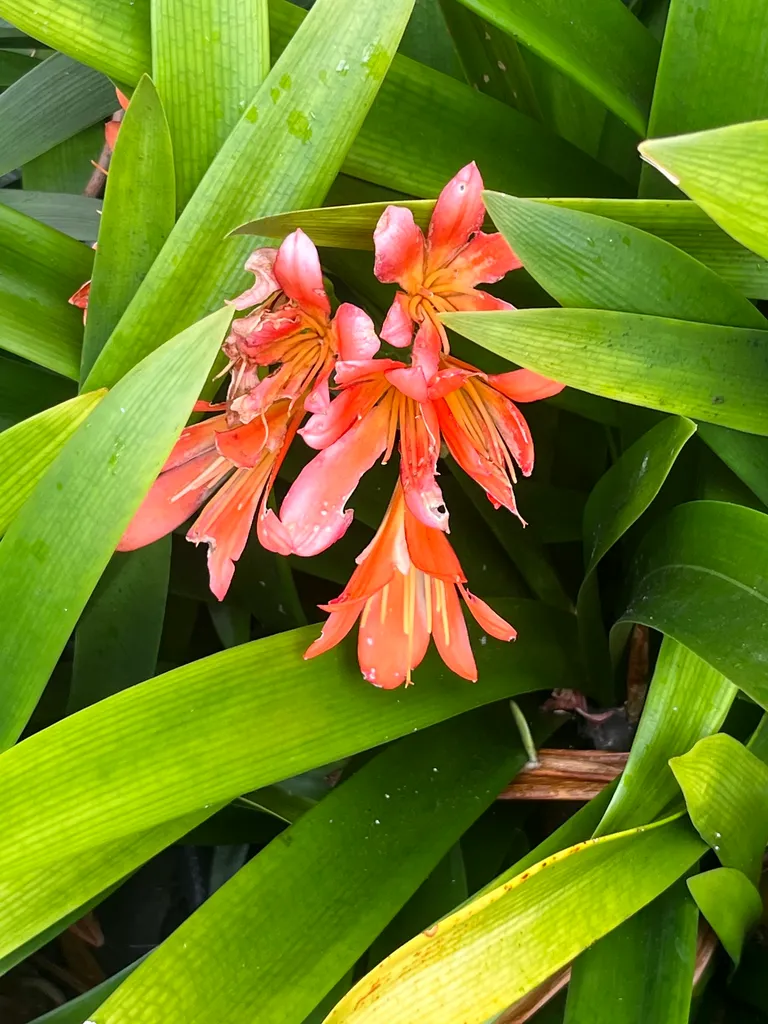
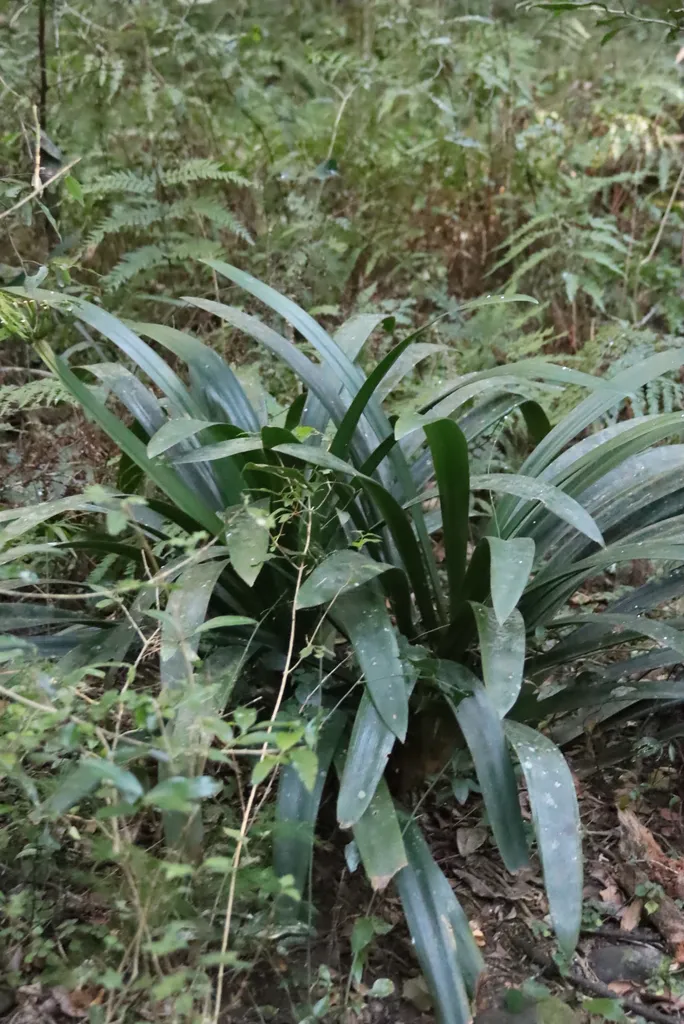
| Care difficulty | 2 / 5 |
|---|---|
| Watering schedule | Water when soil is dry to the touch, reduce watering in winter dormancy |
| Sunlight requirements | Full sun · Partial shade |
| Ideal temperature | 15 – 25 °C |
| Soil type | Chalk · Clay · Loam · Sand |
| Soil pH | Acid · Alkaline · Neutral |
| Soil moisture | Well drained |
| Fertilizing | Monthly with balanced liquid fertilizer during growing season |
| Toxicity | All parts may cause a stomach upset if ingested, sap may irritate skin. Wear gloves and other protective equipment when handling] |
How to Water Natal lily?
Thriving in the understory of its native forests, bush lily has adapted to environments with consistent moisture and indirect light. This species exhibits a preference for evenly moist soil conditions, reflecting its origins in humid regions. Watering should adhere to a routine of once every week to maintain optimal hydration without over-saturation. As an evergreen plant commonly grown indoors due to its attractive foliage and bright flowers, bush lily benefits from higher humidity levels that mimic its natural habitat, which can be achieved through regular misting or placement on a pebble tray.
Learn more →What Are the Sunlight Requirements for Natal lily?
Bush lily thrives in environments offering full shade, shielded from direct sunlight, which allows for balanced growth and optimal flowering. Although capable of enduring partial sun, excessive exposure may inhibit blooming and cause foliage to fade or yellow. Adaptable to indoor settings, bush lily prefers bright, indirect light and should be placed near a window with filtered light. Outdoors, it is ideal to plant bush lily under a canopy that diffuses harsh rays, ensuring vibrant growth and prolific flowers.
Learn more →What Is the Ideal Temperature Range for Natal lily?

The plant 'bush lily' exhibits moderate resilience to temperature variations, tolerating a range from 0℃ (32℉) to 43℃ (109℉). However, it prefers temperate climates and may struggle in extreme conditions. Care involves protective measures against frost, such as moving it indoors during cold snaps, and providing shade or increased watering in heatwaves. Symptoms of cold stress include yellowing leaves and stunted growth, while overheating may present as leaf scorch or wilting. To counteract these, ensure bush lily is shielded from temperature extremes, using frost cloths in winter and adequate hydration and shading during hot periods.
Learn more →What Soil Is Best for Natal lily?
Bush lily thrives in well-draining soil with good aeration to prevent root rot. A suitable soil mix combines equal parts potting mix and perlite or coarse sand to enhance drainage. For added nutrients, incorporate a slow-release fertilizer at the start of the growing season. If perlite is unavailable, use pumice or vermiculite as alternatives. Ensuring proper drainage is critical for bush lily's health.
- Soil type
- Chalk · Clay · Loam · Sand
- Soil pH
- Acid · Alkaline · Neutral
What Are the Moisture Requirements for Natal lily?
Well drained
Learn more →How to Fertilize Natal lily?

Optimize bush lily's growth by using high nitrogen fertilizers, applied monthly during spring and summer, the growth period, to promote vigorous foliage and blooming. A quarter of the recommended strength is sufficient to prevent overfertilization. In fall and winter, reduce to bi-monthly as bush lily enters dormancy. Always water bush lily before fertilizing to avoid root burn. For potted bush lily, flush accumulated salts quarterly by running water through the soil for a few minutes. Adherence to these guidelines ensures a flourishing bush lily.
Learn more →How to Prune Natal lily?

Bush lily, known for its striking orange flowers and lush green leaves, benefits from pruning to maintain its shape and health. The best time to prune is early to later spring, post-blooming, to avoid disrupting its flowering cycle. Remove spent flowers, yellowing leaves, and any damaged or dead foliage. This encourages vigorous growth and prevents diseases. Pruning also allows for better air circulation and light penetration, promoting a stronger plant structure.
Learn more →How to Propagate Natal lily?

Bush lily's propagation methods primarily involve using its tubers during Spring. Propagation may be moderately difficult but success is indicated by new shoot formation. Make sure to use healthy, mature tubers for optimal results.
Learn more →How to Transplant Natal lily?
To transplant bush lily ideally, choose the early spring when new growth begins, as this allows the plant to establish itself rapidly. Select a location with bright, indirect light and well-draining soil. Apply water generously after transplanting, but ensure no standing water in the pot.
Learn more →How to Care for Natal lily in Winter?

Bush lily, native to humid, frost-free regions of South Africa, has fascinating winter adaptations - it becomes dormant, conserving energy when days are short. Winter care for bush lily requires some finesse. Indoor gardeners should keep bush lily cool and dry, imitating the winter dormancy of its natural habitat. Over-watering or excess heat can disrupt bush lily's natural rhythm, compromising its health. So, the winter mantra for bush lily: less is often more!
Learn more →How to Plant Natal lily?
Indoors-potted: Ensure bush lily is potted in a well-draining container to prevent root rot, which can be common for indoor settings. Outdoors-potted: Bush lily might not thrive outdoors in pots if the climate is too harsh; shelter from extreme conditions is key. Outdoors-in the ground: When planted in the ground, bush lily appreciates space to spread its roots—crowding can hinder its vibrant blooms.
Learn more →How to Repot Natal lily?
For bush lily, best repotted every 2-3 years to accommodate its dense root system. An evergreen bush, bush lily's ideal repotting period is after flowering, before spring growth. Use a slightly larger pot to ensure space for root expansion. Post-repot, provide bright, indirect light and keep the soil moist for optimal recovery. This routine encourages the vibrant, trumpet-shaped blooms bush lily is cherished for.
Learn more →How to Harvest Natal lily?

Information to be completed
Learn more →Common Pests & Diseases

Diseases
Generally disease free
Pests
mealybugs may be a problem
Explore the plant health library →The Toxicity of Natal lily
All parts may cause a stomach upset if ingested, sap may irritate skin. Wear gloves and other protective equipment when handling]