



Planting and Growing bicolored leptotes

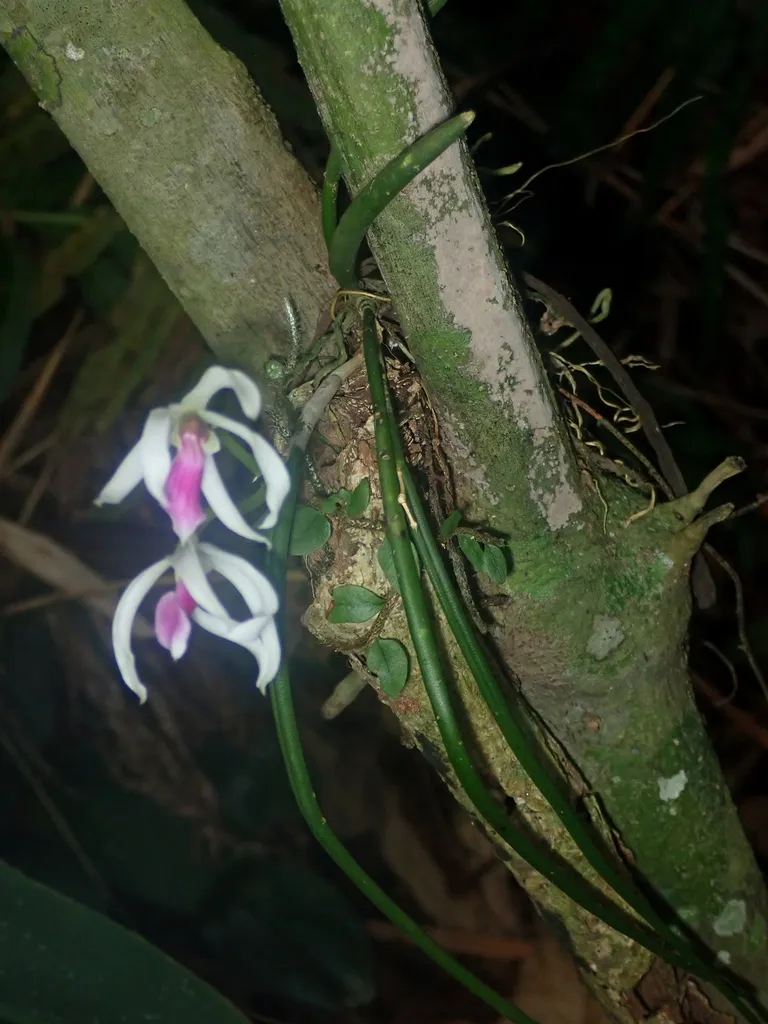
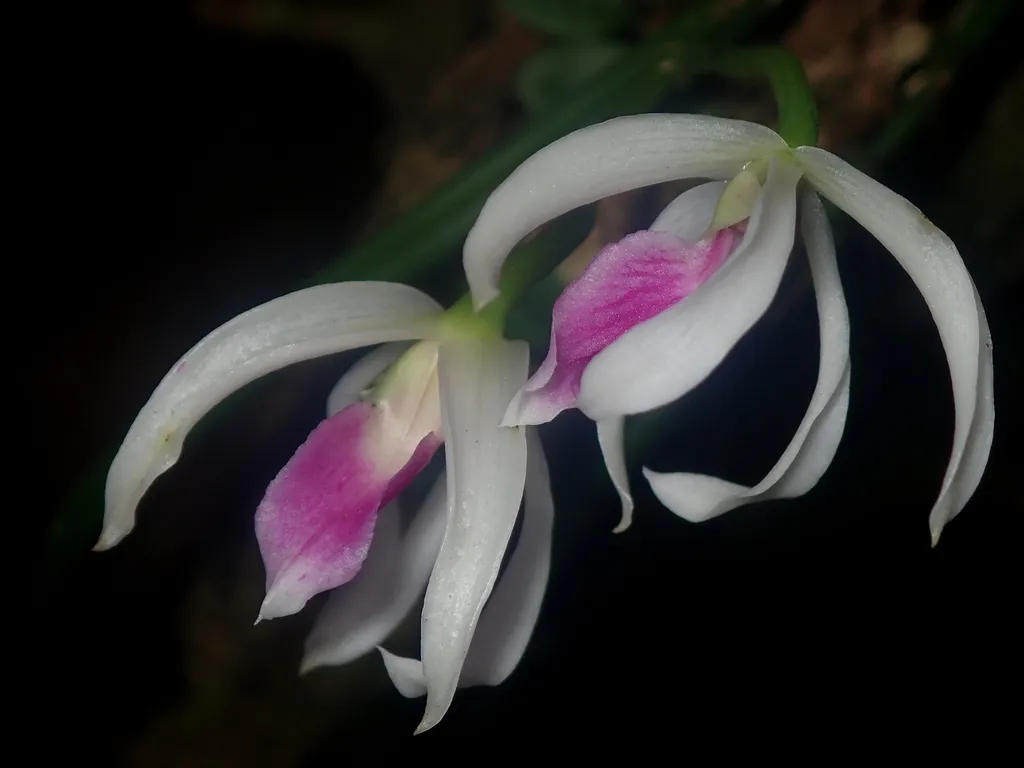
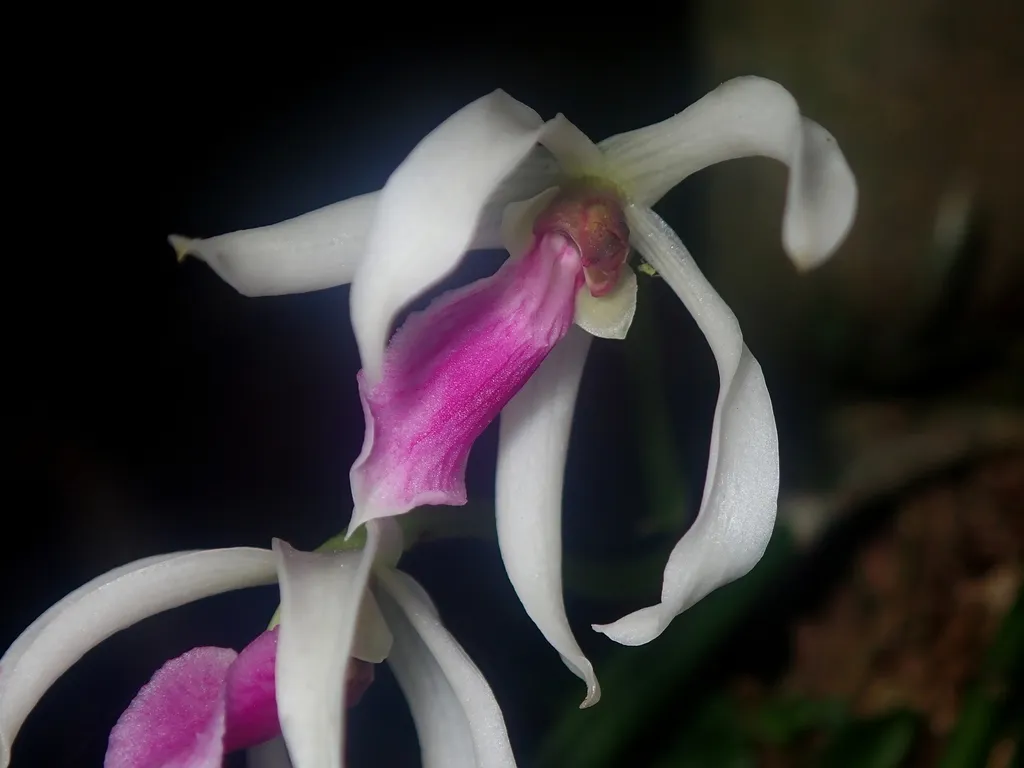
| Care difficulty | 3 / 5 |
|---|---|
| Watering schedule | Moderate regular watering, avoid prolonged drought or waterlogging |
| Sunlight requirements | Partial shade |
| Ideal temperature | Information to be completed |
| Soil type | Loam |
| Soil pH | Acid · Neutral |
| Soil moisture | Moist but well drained · Well drained |
| Fertilizing | Balanced feed in spring and light repeat in growth season |
| Toxicity | Information to be completed |
How to Water bicolored leptotes?
Moderate regular watering, avoid prolonged drought or waterlogging
Learn more →What Are the Sunlight Requirements for bicolored leptotes?
Partial shade
Learn more →What Is the Ideal Temperature Range for bicolored leptotes?

Information to be completed
Learn more →What Soil Is Best for bicolored leptotes?
- Soil type
- Loam
- Soil pH
- Acid · Neutral
What Are the Moisture Requirements for bicolored leptotes?
Moist but well drained · Well drained
Learn more →How to Fertilize bicolored leptotes?

Balanced feed in spring and light repeat in growth season
Learn more →How to Prune bicolored leptotes?

No pruning required, cut down flowered stems as necessary
Learn more →How to Propagate bicolored leptotes?

Propagate by division when the plant over-fills the pot
Learn more →How to Transplant bicolored leptotes?
Information to be completed
Learn more →How to Care for bicolored leptotes in Winter?

Information to be completed
Learn more →How to Plant bicolored leptotes?
Grow in epiphytic orchid compost and from late spring to summer, in partial shade with good ventilation, day temperatures between 18-25°C and night above 10°C, water freely adding orchid fertiliser every third watering and provide high humidity by misting twice daily. Keep in well lit conditions from autumn to early spring and keep dry in winter. See indoor orchid cultivation
Learn more →How to Repot bicolored leptotes?
Information to be completed
Learn more →How to Harvest bicolored leptotes?

Information to be completed
Learn more →Common Pests & Diseases

Diseases
Generally disease free
Pests
Susceptible to aphids, glasshouse red spider mite and mealybugs
Explore the plant health library →The Toxicity of bicolored leptotes
Information to be completed