



Planting and Growing penstemon 'Purple Bedder'

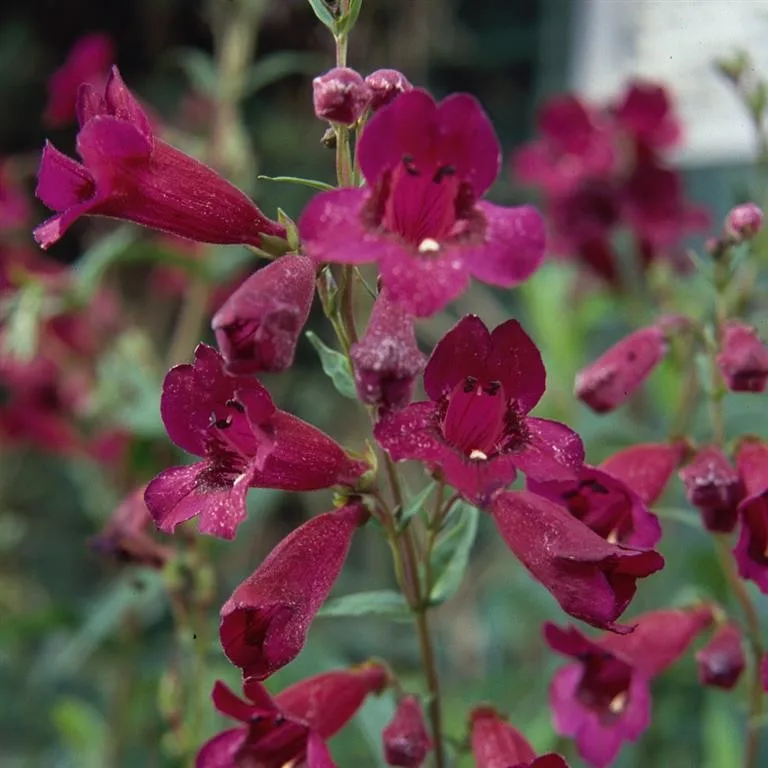
| Care difficulty | 2 / 5 |
|---|---|
| Watering schedule | Moderate regular watering, allowing brief slight drying between soakings |
| Sunlight requirements | Full sun |
| Ideal temperature | Information to be completed |
| Soil type | Chalk · Loam · Sand |
| Soil pH | Acid · Alkaline · Neutral |
| Soil moisture | Well drained |
| Fertilizing | Balanced perennial feed every four weeks from spring through summer |
| Toxicity | Information to be completed |
How to Water penstemon 'Purple Bedder'?
Moderate regular watering, allowing brief slight drying between soakings
Learn more →What Are the Sunlight Requirements for penstemon 'Purple Bedder'?
Full sun
Learn more →What Is the Ideal Temperature Range for penstemon 'Purple Bedder'?

Information to be completed
Learn more →What Soil Is Best for penstemon 'Purple Bedder'?
- Soil type
- Chalk · Loam · Sand
- Soil pH
- Acid · Alkaline · Neutral
What Are the Moisture Requirements for penstemon 'Purple Bedder'?
Well drained
Learn more →How to Fertilize penstemon 'Purple Bedder'?

Balanced perennial feed every four weeks from spring through summer
Learn more →How to Prune penstemon 'Purple Bedder'?

For herbaceous perennials that die back, cut dead stems near the crown without damaging new shoots; retained winter stems can be removed in spring. For tender woody perennials such as penstemons, wait until frost risk has passed and shorten old stems just above healthy new growth. Evergreen perennials are tidied by removing dead foliage rather than cutting the whole plant down.
Learn more →How to Propagate penstemon 'Purple Bedder'?

Propagate by softwood cuttings, division, or layering
Learn more →How to Transplant penstemon 'Purple Bedder'?
Information to be completed
Learn more →How to Care for penstemon 'Purple Bedder' in Winter?

Information to be completed
Learn more →How to Plant penstemon 'Purple Bedder'?
Grow in fertile, well-drained soil in full sun or partial shade; in autumn, cut plants down to about a third of their height and spread a dry mulch; see penstemon cultivation for more advice
Learn more →How to Repot penstemon 'Purple Bedder'?
Information to be completed
Learn more →How to Harvest penstemon 'Purple Bedder'?

Information to be completed
Learn more →Common Pests & Diseases

Diseases
Generally disease-free but may be affected by powdery mildews
Pests
Generally pest-free
Explore the plant health library →The Toxicity of penstemon 'Purple Bedder'
Information to be completed