



Planting and Growing Corydalis flaccida

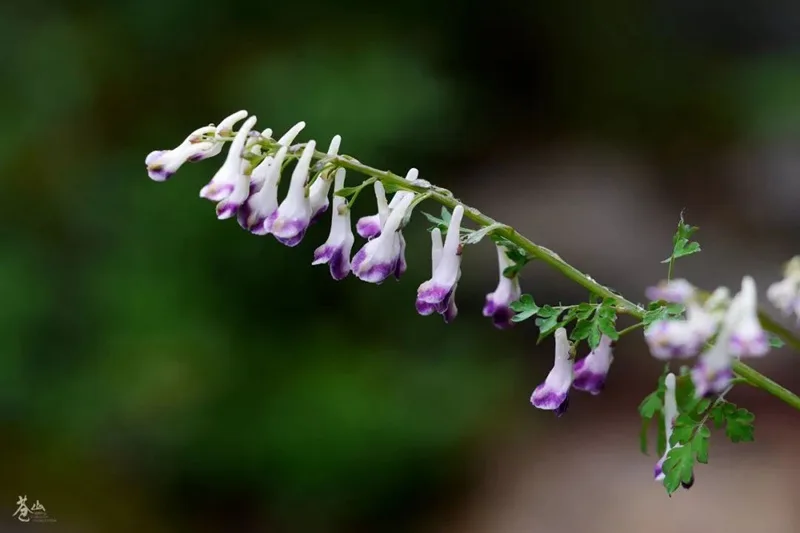
| Care difficulty | 2 / 5 |
|---|---|
| Watering schedule | Keep soil consistently moist but well-drained, especially during active growth. |
| Sunlight requirements | Partial shade |
| Ideal temperature | Information to be completed |
| Soil type | Chalk · Clay · Loam · Sand |
| Soil pH | Acid · Alkaline · Neutral |
| Soil moisture | Moist but well drained · Well drained |
| Fertilizing | Apply a diluted balanced fertilizer every 2-3 weeks when actively growing. |
| Toxicity | Information to be completed |
How to Water Corydalis flaccida?
Keep soil consistently moist but well-drained, especially during active growth.
Learn more →What Are the Sunlight Requirements for Corydalis flaccida?
Partial shade
Learn more →What Is the Ideal Temperature Range for Corydalis flaccida?

Information to be completed
Learn more →What Soil Is Best for Corydalis flaccida?
- Soil type
- Chalk · Clay · Loam · Sand
- Soil pH
- Acid · Alkaline · Neutral
What Are the Moisture Requirements for Corydalis flaccida?
Moist but well drained · Well drained
Learn more →How to Fertilize Corydalis flaccida?

Apply a diluted balanced fertilizer every 2-3 weeks when actively growing.
Learn more →How to Prune Corydalis flaccida?

No pruning required
Learn more →How to Propagate Corydalis flaccida?

Propagate by seed or by division
Learn more →How to Transplant Corydalis flaccida?
Information to be completed
Learn more →How to Care for Corydalis flaccida in Winter?

Information to be completed
Learn more →How to Plant Corydalis flaccida?
Grow in moderately fertile, well-drained, humus-rich soil in partial shade
Learn more →How to Repot Corydalis flaccida?
Information to be completed
Learn more →How to Harvest Corydalis flaccida?

Information to be completed
Learn more →Common Pests & Diseases

Diseases
Generally disease-free
Pests
May be susceptible to slug and snail damage on young growth but generally pest free
Explore the plant health library →The Toxicity of Corydalis flaccida
Information to be completed