



Planting and Growing small-leaved cotoneaster

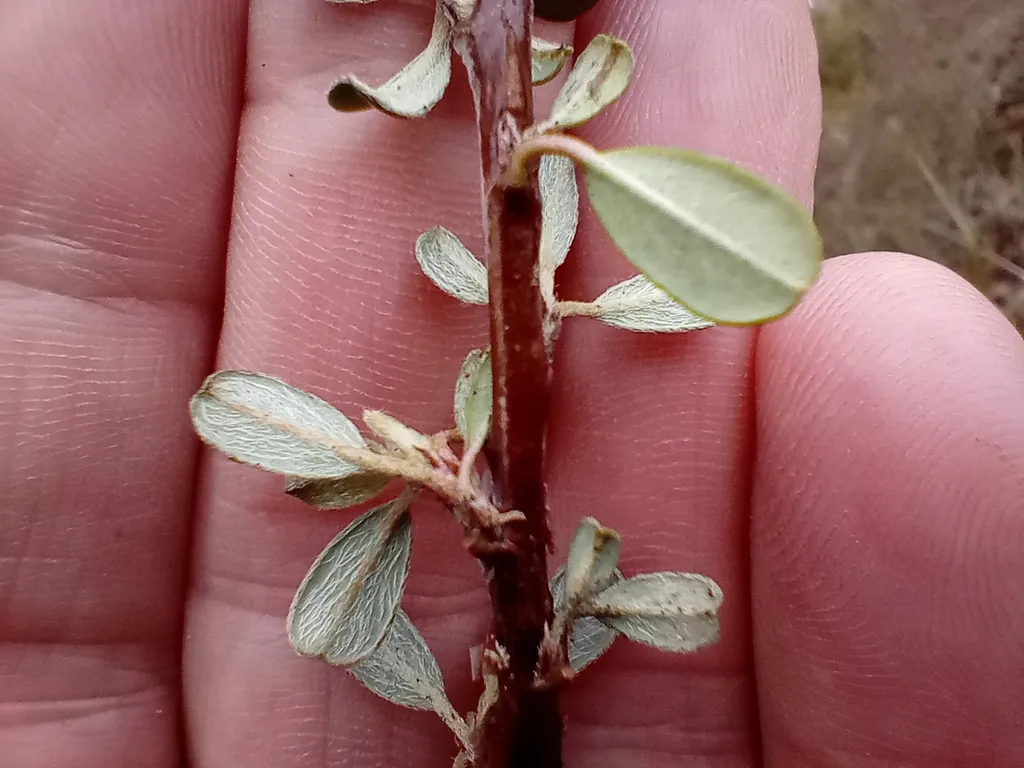
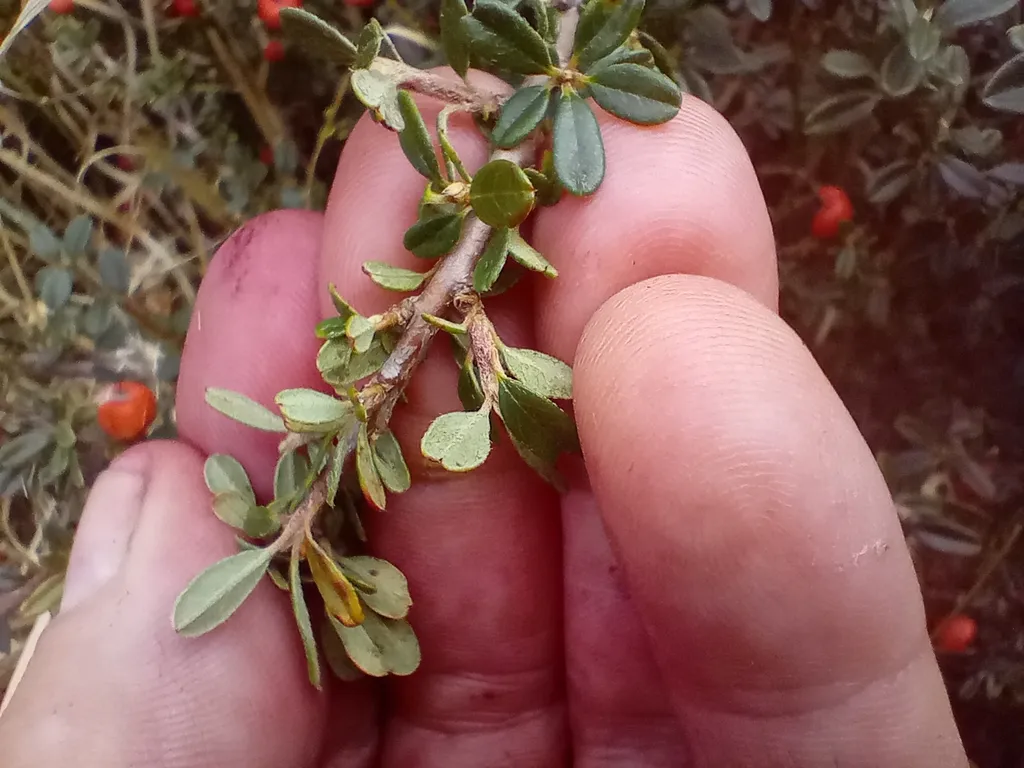
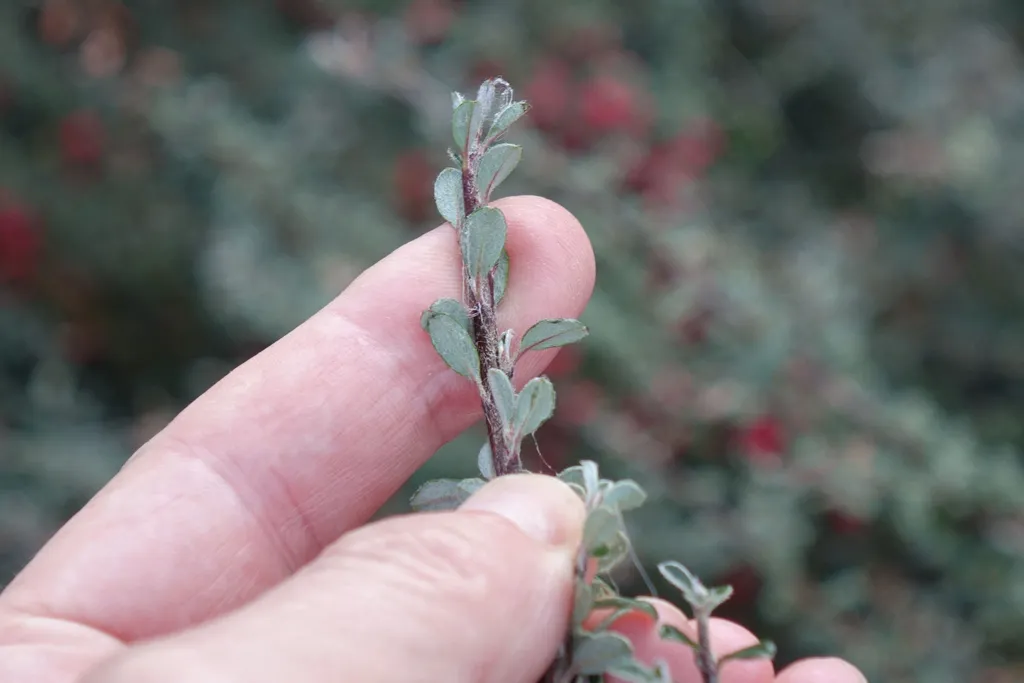
| Care difficulty | 2 / 5 |
|---|---|
| Watering schedule | Water deeply during establishment, then only in prolonged dry periods |
| Sunlight requirements | Full sun · Partial shade |
| Ideal temperature | Information to be completed |
| Soil type | Chalk · Clay · Loam · Sand |
| Soil pH | Acid · Alkaline · Neutral |
| Soil moisture | Well drained |
| Fertilizing | Balanced tree or shrub feed once in spring |
| Toxicity | Information to be completed |
How to Water small-leaved cotoneaster?
Water deeply during establishment, then only in prolonged dry periods
Learn more →What Are the Sunlight Requirements for small-leaved cotoneaster?
Full sun · Partial shade
Learn more →What Is the Ideal Temperature Range for small-leaved cotoneaster?

Information to be completed
Learn more →What Soil Is Best for small-leaved cotoneaster?
- Soil type
- Chalk · Clay · Loam · Sand
- Soil pH
- Acid · Alkaline · Neutral
What Are the Moisture Requirements for small-leaved cotoneaster?
Well drained
Learn more →How to Fertilize small-leaved cotoneaster?

Balanced tree or shrub feed once in spring
Learn more →How to Prune small-leaved cotoneaster?

Little pruning is needed. Remove diseased, damaged, crowded or crossing shoots and unwanted growth. Timing depends on the plant: generally late winter or early spring; plants prone to bleeding and deciduous magnolias need different timing, and deciduous azaleas and lilacs are pruned after flowering.
Learn more →How to Propagate small-leaved cotoneaster?

Please see cultivation notes
Learn more →How to Transplant small-leaved cotoneaster?
Information to be completed
Learn more →How to Care for small-leaved cotoneaster in Winter?

Information to be completed
Learn more →How to Plant small-leaved cotoneaster?
This plant is listed on Schedule 9 of the UK Wildlife & Countryside Act as an invasive non-native species. Although not banned from sale, it is an offence to plant or cause these to grow in the wild IN ENGLAND AND WALES. Gardeners possessing them should undertake measures to control them. See RHS advice on invasive non-native species for further information
Learn more →How to Repot small-leaved cotoneaster?
Information to be completed
Learn more →How to Harvest small-leaved cotoneaster?

Information to be completed
Learn more →Common Pests & Diseases

Diseases
May be susceptible to fireblight and honey fungus
Pests
May be susceptible to scale insects, cotoneaster webber caterpillar and aphids including woolly aphid
Explore the plant health library →The Toxicity of small-leaved cotoneaster
Information to be completed