



Planting and Growing willow-leaved cotoneaster

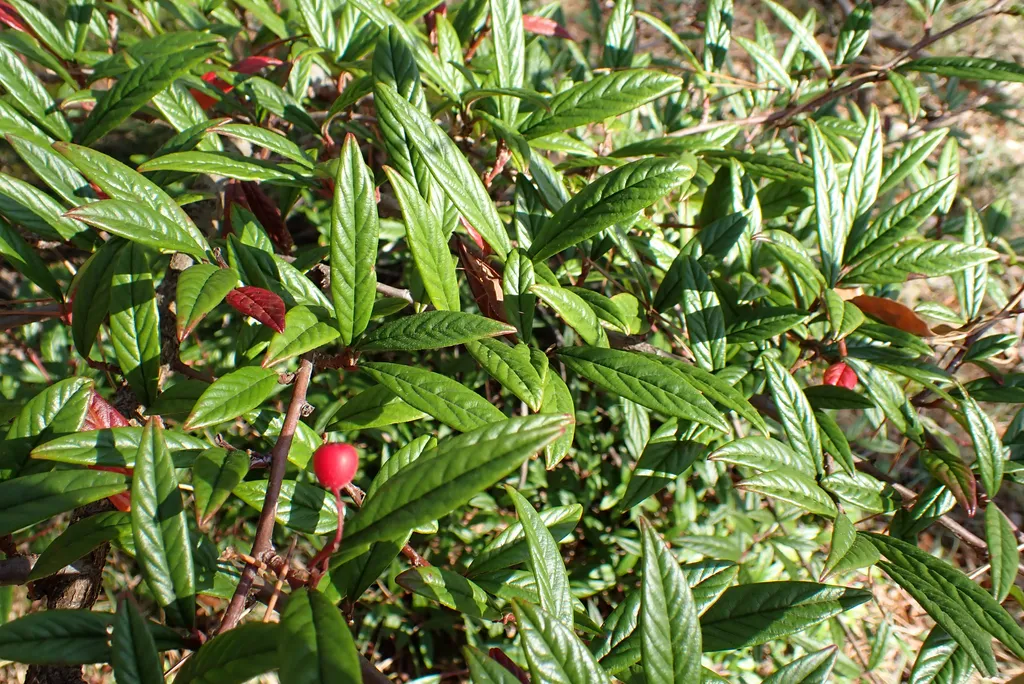
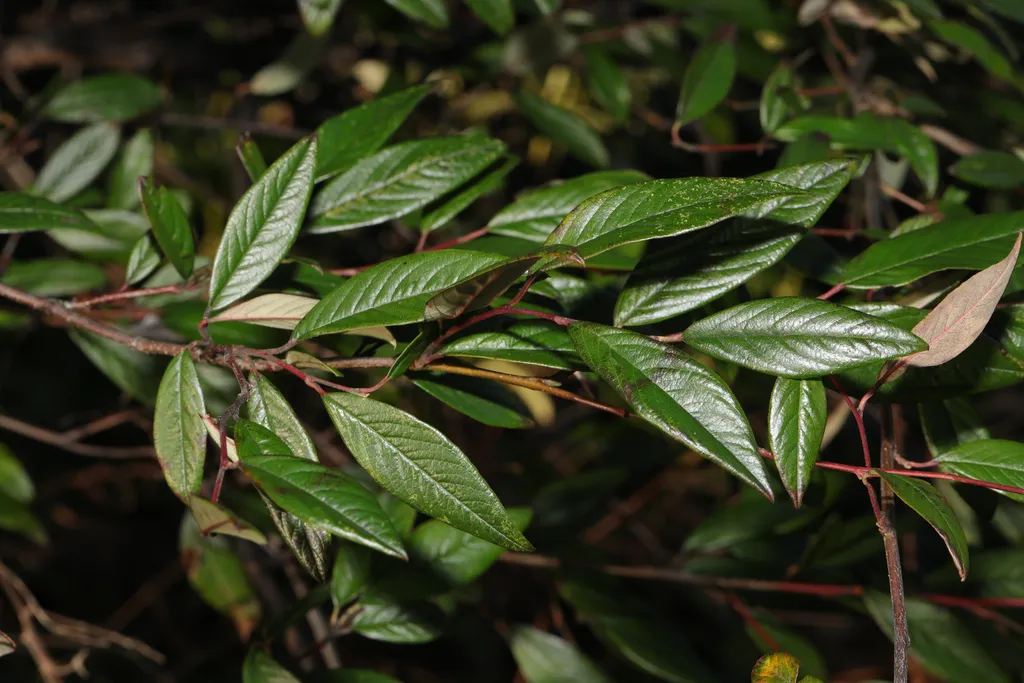
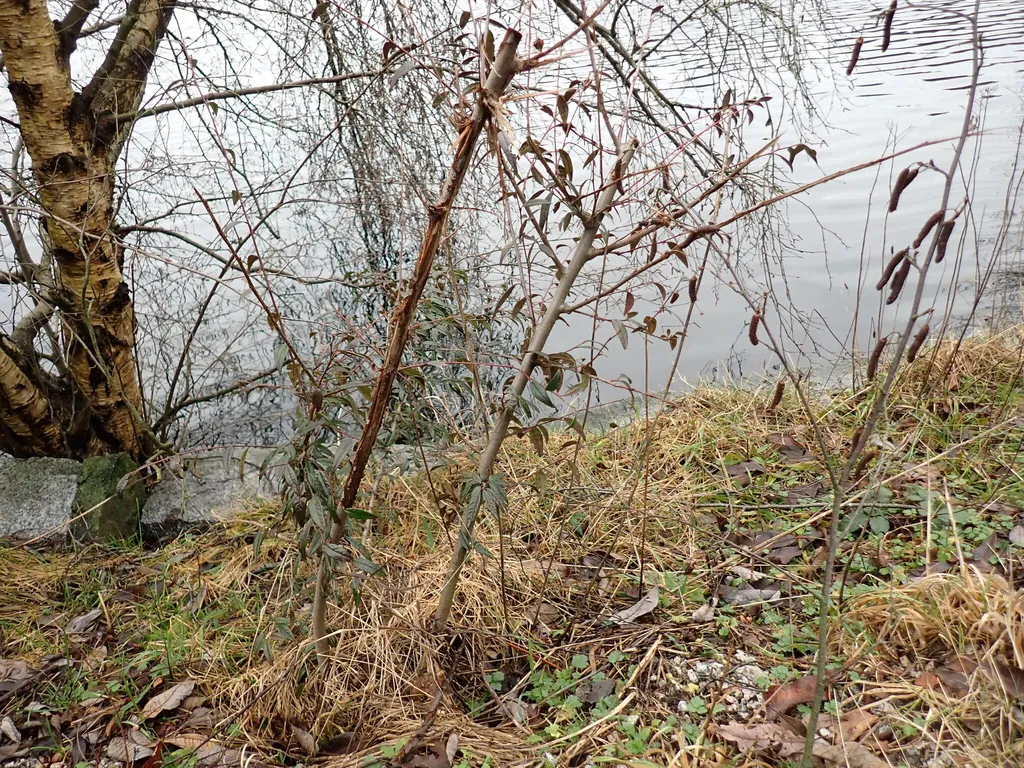
| Care difficulty | 2 / 5 |
|---|---|
| Watering schedule | Moderate regular watering, allowing slight drying between waterings |
| Sunlight requirements | Full sun |
| Ideal temperature | Information to be completed |
| Soil type | Chalk · Clay · Loam · Sand |
| Soil pH | Acid · Alkaline · Neutral |
| Soil moisture | Well drained |
| Fertilizing | Balanced feed monthly during active growth season |
| Toxicity | Fruit are ornamental - not to be eaten. Wear gloves and other protective equipment when handling |
How to Water willow-leaved cotoneaster?
Moderate regular watering, allowing slight drying between waterings
Learn more →What Are the Sunlight Requirements for willow-leaved cotoneaster?
Full sun
Learn more →What Is the Ideal Temperature Range for willow-leaved cotoneaster?

Information to be completed
Learn more →What Soil Is Best for willow-leaved cotoneaster?
- Soil type
- Chalk · Clay · Loam · Sand
- Soil pH
- Acid · Alkaline · Neutral
What Are the Moisture Requirements for willow-leaved cotoneaster?
Well drained
Learn more →How to Fertilize willow-leaved cotoneaster?

Balanced feed monthly during active growth season
Learn more →How to Prune willow-leaved cotoneaster?

Usually little pruning is needed. Lightly shape if necessary, removing dead, damaged or diseased shoots. Prune after flowering.
Learn more →How to Propagate willow-leaved cotoneaster?

Propagate by semi-ripe cuttings in late summer
Learn more →How to Transplant willow-leaved cotoneaster?
Information to be completed
Learn more →How to Care for willow-leaved cotoneaster in Winter?

Information to be completed
Learn more →How to Plant willow-leaved cotoneaster?
Grow in moderately fertile well-drained soil in full sun or part shade; protect from cold dry winds in colder or northern areas
Learn more →How to Repot willow-leaved cotoneaster?
Information to be completed
Learn more →How to Harvest willow-leaved cotoneaster?

Information to be completed
Learn more →Common Pests & Diseases

Diseases
May be susceptible to fireblight and honey fungus
Pests
May be susceptible to aphids including woolly aphid, scale insects and cotoneaster webber caterpillar
Explore the plant health library →The Toxicity of willow-leaved cotoneaster
Fruit are ornamental - not to be eaten. Wear gloves and other protective equipment when handling