



Planting and Growing greater sea kale

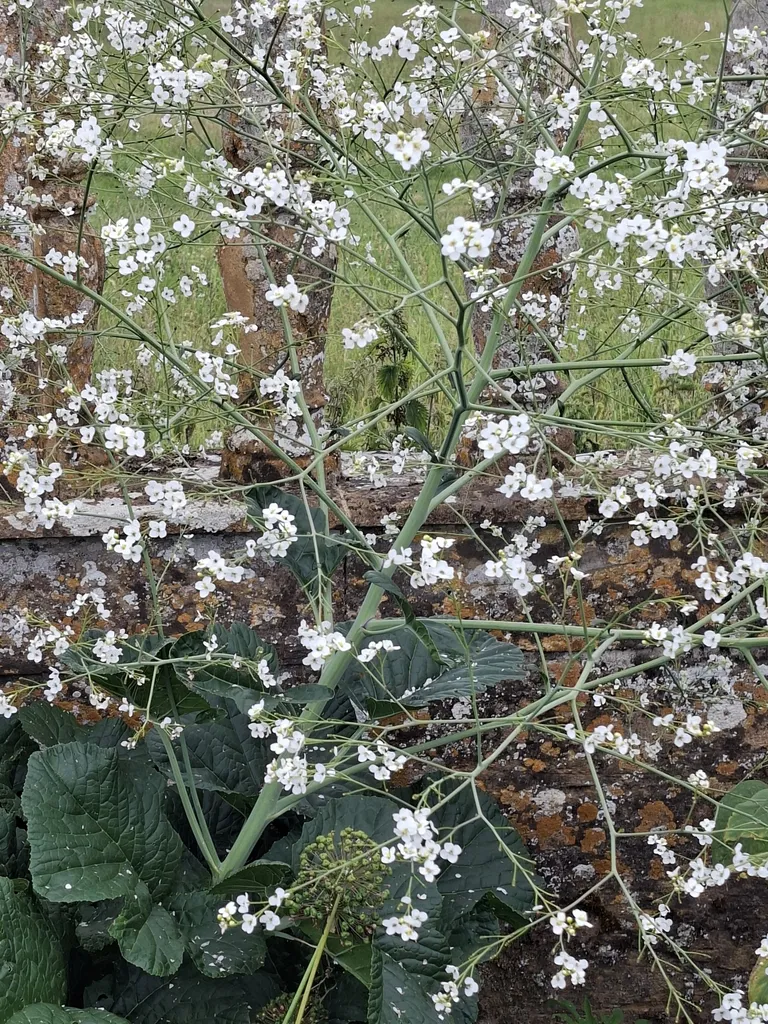
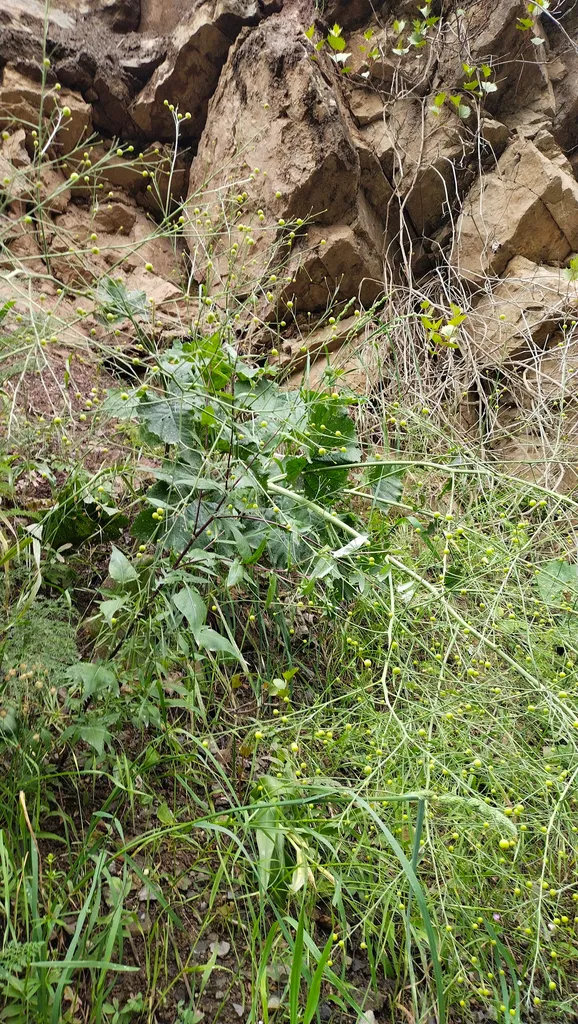
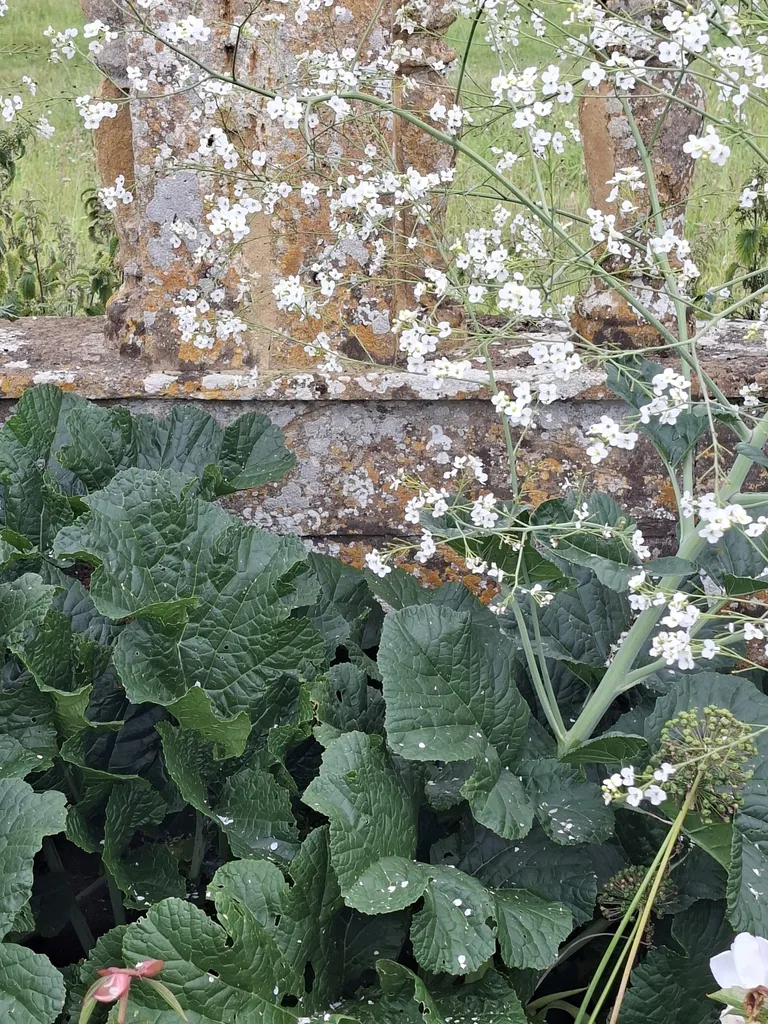
| Care difficulty | 2 / 5 |
|---|---|
| Watering schedule | Moderate regular watering, avoid prolonged drought or waterlogging |
| Sunlight requirements | Full sun · Partial shade |
| Ideal temperature | Information to be completed |
| Soil type | Chalk · Loam · Sand |
| Soil pH | Acid · Alkaline · Neutral |
| Soil moisture | Well drained |
| Fertilizing | Balanced feed in spring and light repeat in growth season |
| Toxicity | Information to be completed |
How to Water greater sea kale?
Moderate regular watering, avoid prolonged drought or waterlogging
Learn more →What Are the Sunlight Requirements for greater sea kale?
Full sun · Partial shade
Learn more →What Soil Is Best for greater sea kale?
- Soil type
- Chalk · Loam · Sand
- Soil pH
- Acid · Alkaline · Neutral
What Are the Moisture Requirements for greater sea kale?
Well drained
Learn more →How to Fertilize greater sea kale?

Balanced feed in spring and light repeat in growth season
Learn more →How to Prune greater sea kale?

Cut down to ground level in autumn
Learn more →How to Propagate greater sea kale?

Propagate by seed sown in pots in a cold frame in spring or autumn or propagate by division in early spring or take root cuttings in winter
Learn more →How to Plant greater sea kale?
Ideally grow in a deep, fertile, well-drained soil in full sun although it will tolerate poor soil and partial shade. Provide shelter from strong winds.
Learn more →Common Pests & Diseases

Diseases
May suffer from club root
Pests
Can get flea beetles, slugs and caterpillars
Explore the plant health library →