



Planting and Growing string of buttons

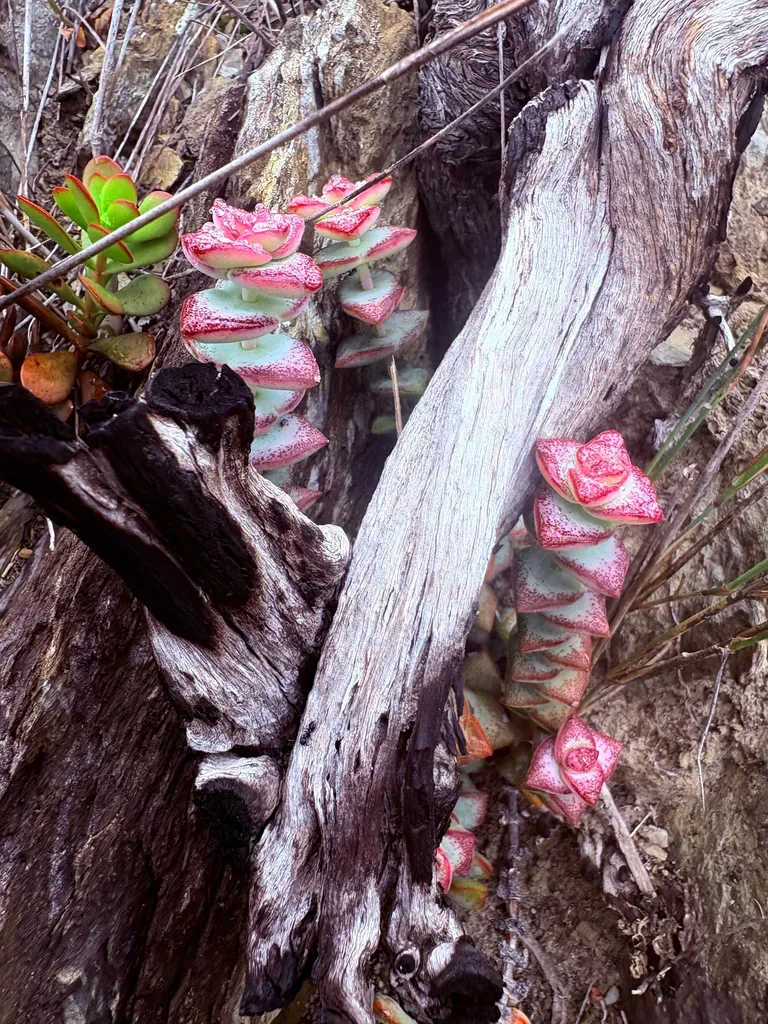
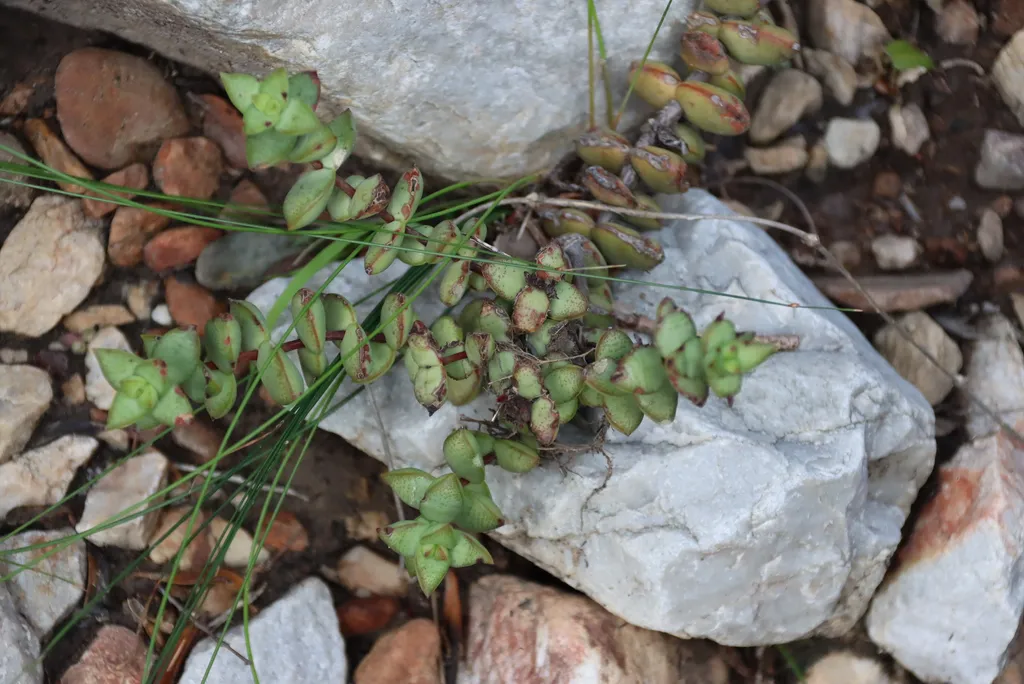

| Care difficulty | 2 / 5 |
|---|---|
| Watering schedule | Let gritty soil dry fully before each thorough watering cycle |
| Sunlight requirements | Full sun |
| Ideal temperature | 18 – 28 °C |
| Soil type | Loam · Sand |
| Soil pH | Acid · Alkaline · Neutral |
| Soil moisture | Well drained |
| Fertilizing | Very dilute low-nitrogen succulent feed monthly in warm growth |
| Toxicity | Information to be completed |
How to Water string of buttons?
Originating from arid regions, string of buttons is adapted to environments with low water availability, displaying a remarkable drought tolerance. This succulent thrives when its soil dries out between watering sessions, aligning with a watering schedule of once every three weeks. Given its preference for well-draining soil and susceptibility to root rot if overwatered, it's crucial to ensure the soil is completely dry before rehydrating. Typically grown indoors due to its modest size and decorative appeal, string of buttons flourishes in containers that complement its need for minimal water, making it an ideal choice for water-conscious gardeners.
Learn more →What Are the Sunlight Requirements for string of buttons?
String of buttons thrives under full sun conditions where it receives high-intensity light for an extended duration. Its hardy nature allows it to adapt to partial sun, which can make it a suitable addition to various garden settings. Insufficient light may lead to etiolation, with the plant stretching towards the light source, potentially compromising its structural integrity and vibrant coloration. In optimal outdoor environments, string of buttons showcases robust growth with vivid leaf pigmentation, indicating good health. In areas where sunlight is intense, light acclimation is beneficial to prevent scorching. For indoor cultivation, placing string of buttons near a sunny window will foster its growth and maintain its compact, attractive appearance.
Learn more →What Is the Ideal Temperature Range for string of buttons?

String of buttons shows impressive adaptability to temperature fluctuations. It tolerates cold down to 0℃ (32℉) and can endure heat up to 43℃ (110℉). This wide range impacts care requirements, where protective measures like indoor placement or shading are essential during extreme weather conditions. Symptoms of stress from cold include leaf drop and discoloration, while overheating may cause wilting and sunburned leaves. To counteract overcooling, provide insulation or move the plant indoors. In overheating scenarios, ensure adequate hydration and offer shade. This temperature resilience makes string of buttons suitable for diverse environments but necessitates mindful care adjustments.
Learn more →What Soil Is Best for string of buttons?
For string of buttons, drainage is crucial to avoid root rot. Ignoring pH specifics, a fitting soil mix is commercially available succulent & cactus soil. Alternatively, blend equal parts of potting soil, coarse sand, and perlite to promote aeration. Ensure the mix is fast-draining. Periodic fertilizer additions in modest amounts can enhance the plant's vitality, applying them sparingly during the active growing season.
- Soil type
- Loam · Sand
- Soil pH
- Acid · Alkaline · Neutral
What Are the Moisture Requirements for string of buttons?
Well drained
Learn more →How to Fertilize string of buttons?

For optimal care, fertilize string of buttons during growing seasons with succulents and cacti food. Apply quarterly at label-recommended doses, promoting robust growth and potential blooms. Avoid over-fertilization, as it may harm string of buttons. During dormant winter, reduce feeding to prevent nutrient overload. Practically, use a diluted solution for safe application and ensure soil is moist to avoid root burn. Seasonal adjustments ensure string of buttons receives tailored nourishment, maintaining vigor and health through its life stages.
Learn more →How to Prune string of buttons?

In order to keep beautiful shape, some large succulent plants may need pruning. For example, in California, for echeveria planted in the garden, some redundant branches and branches that are too dense need to be cut off in spring and autumn. This depends on what you think and what the succulent plant is used for. Tools for pruning mainly include knife, scissors, and some medicines (such as sulfur powder). In order to propagate new plants, we can also cut some leaves in spring and autumn for cutting. Stout stems with 5-6 leaves are often selected: cut it off with a knife, then smear the wound with sulfur powder, and plant it after the wound is healed. At this time, it is recommended to use a watering can to slightly wet the soil used for cutting.
Learn more →How to Propagate string of buttons?

String of buttons can be propagated effectively using cuttings. To achieve this, a healthy leaf or stem is selected and snipped with a clean, sharp tool. The cutting is then allowed to callus over, which generally takes a few days. After the dry surface forms on the cut area, the cutting can be placed in well-draining soil suitable for succulents. Ensuring indirect sunlight and moderate watering will encourage rooting and growth without promoting rot. These steps lead to the successful cultivatio of new string of buttons plants.
Learn more →How to Transplant string of buttons?
The perfect time to transplant string of buttons is during early spring when the plant can benefit from fresh growth and recovery. Ensure the chosen location provides ample sunlight and well-draining soil. When transplanting, handle string of buttons with care to avoid stem damage.
Learn more →How to Care for string of buttons in Winter?

String of buttons hails from the mild climate of South Africa, naturally tolerating cooler temperatures. However, prolonged exposure to frost is detrimental, compelling it to store energy as a key survival strategy. Gardeners caring for string of buttons should note its need for adequate sunlight with limited watering during winter. Its succulent nature means it prefers dry dormancy, making it important to manage humidity effectively.
Learn more →How to Plant string of buttons?
Indoors-potted: Ensure string of buttons has room to stretch—crowded conditions indoors can limit its quirky spiral growth. Outdoors-potted: String of buttons's portability in pots makes it perfect for outdoor design, but watch for overgrowth which may require repotting. Outdoors-in the ground: In the ground, string of buttons thrives with minimal care, but ensure good drainage to prevent root rot and promote healthy foliage.
Learn more →How to Repot string of buttons?
Repot string of buttons biennially to encourage its distinctive growth as a small, stacked, shrub-like succulent. Ideal repotting occurs in spring or early summer to align with its active growth phase. Upgrade string of buttons to a container 1-2 inches wider with proper drainage. Post-repotting, provide bright, indirect light and minimal water to avoid root rot, ensuring a smooth transition for string of buttons's fleshy button-like leaves.
Learn more →How to Harvest string of buttons?

Information to be completed
Learn more →Common Pests & Diseases

Diseases
Generally disease-free
Pests
Can be attacked by mealybugs, aphids and vine weevils
Explore the plant health library →The Toxicity of string of buttons
Information to be completed