



Planting and Growing partridge-breasted aloe

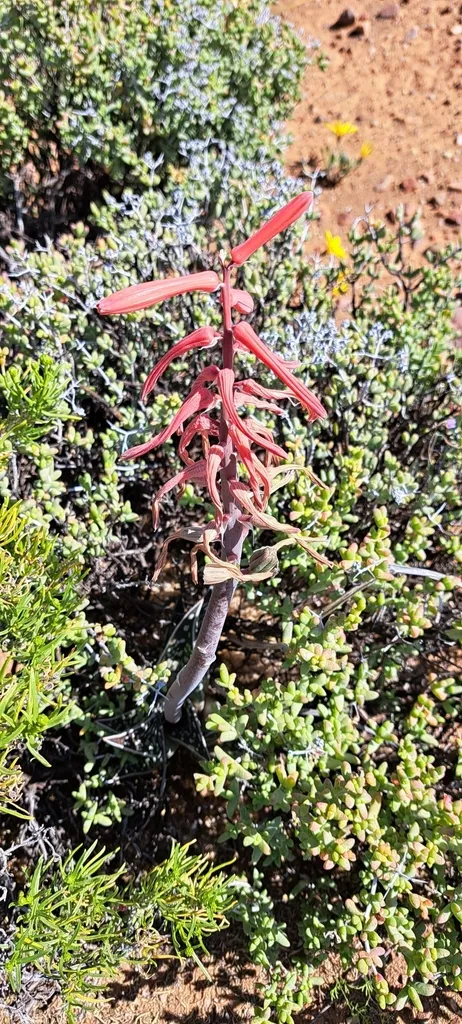
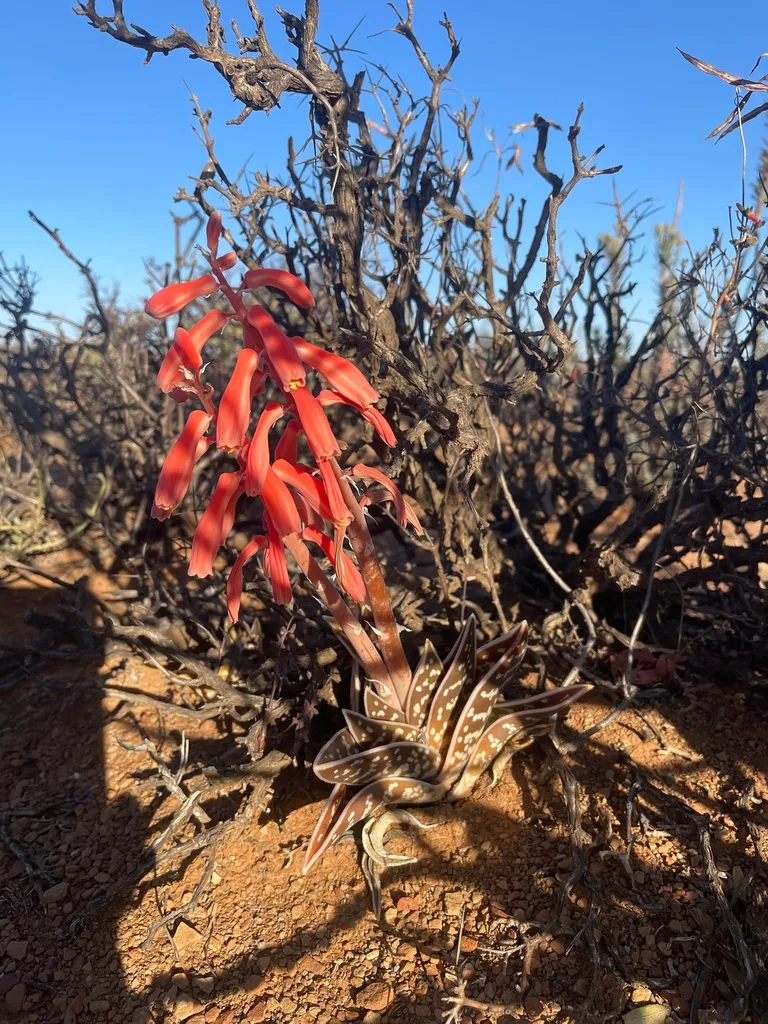
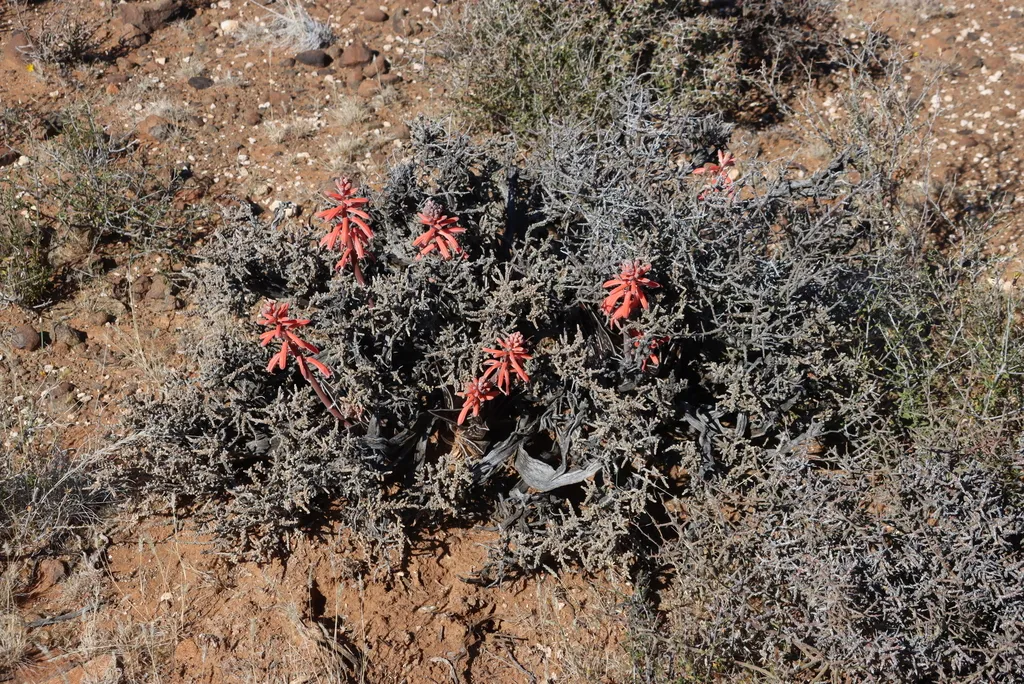
| Care difficulty | 2 / 5 |
|---|---|
| Watering schedule | Let gritty soil dry fully before each thorough watering cycle |
| Sunlight requirements | Full sun |
| Ideal temperature | 18 – 28 °C |
| Soil type | Loam · Sand |
| Soil pH | Acid · Alkaline · Neutral |
| Soil moisture | Well drained |
| Fertilizing | Very dilute low-nitrogen succulent feed monthly in warm growth |
| Toxicity | Ingestion may cause severe discomfort. Wear gloves and wash hands after handling |
How to Water partridge-breasted aloe?
Adapted to the arid conditions of its native habitat, tiger aloe thrives with minimal water. This succulent is drought-tolerant and prefers a dry environment, requiring watering only once every three weeks to maintain its water balance. As an outdoor plant that enjoys warm climates, tiger aloe benefits from well-draining soil to prevent root rot during its growth cycles.
Learn more →What Are the Sunlight Requirements for partridge-breasted aloe?
Tiger aloe thrives best in locations with full sunlight, as this intensity fosters robust growth and maximizes flowering potential. While tiger aloe can tolerate partial sun, less intense light may lead to suboptimal growth and reduced flowering. In outdoor settings, tiger aloe should be positioned where it can bask in the sun's rays for most of the day. For indoor cultivation, a south-facing window is ideal, providing the bright light tiger aloe requires to flourish. Adaptively, tiger aloe might exhibit variations in leaf coloration as a response to light exposure, with brighter light intensifying leaf variegation, enhancing its aesthetic appeal.
Learn more →What Is the Ideal Temperature Range for partridge-breasted aloe?

The tiger aloe shows remarkable temperature resilience, tolerating a range from 0°C (32°F) to 43°C (109°F). This adaptability means it can withstand moderate cold and intense heat, though extremes outside this range may stress the plant. Care should involve protecting tiger aloe from frost and providing shade during scorching heat. Signs of distress include drying or blackened leaves from overheating and mushy, frost-bitten tissue from cold. Mitigate overcooling by moving the plant indoors and overheating by ensuring adequate ventilation and watering. Such measures ensure tiger aloe's viability across varied climates, making it a versatile choice for diverse environments.
Learn more →What Soil Is Best for partridge-breasted aloe?
Tiger aloe thrives in well-draining soil with good aeration. Use a succulent & cactus soil mix or prepare your own by blending equal parts of potting soil, sand, and perlite. To avoid water-logging, ensure pots have drainage holes. Amend the soil with a slow-release fertilizer in spring for optimal growth. Avoid over-watering; allow the soil to dry completely between waterings.
- Soil type
- Loam · Sand
- Soil pH
- Acid · Alkaline · Neutral
What Are the Moisture Requirements for partridge-breasted aloe?
Well drained
Learn more →How to Fertilize partridge-breasted aloe?

Fertilize tiger aloe sparingly with a succulent-specific formula (2-7-7) during its growing season, spring to autumn. Apply quarterly, diluting to half-strength to prevent nutrient burn. Fertilization encourages vitality, enhances hardiness, and stimulates bloom production. In winter, withhold to respect tiger aloe's dormancy. Tip: Water tiger aloe before feeding to minimize root shock.
Learn more →How to Prune partridge-breasted aloe?

No pruning required
Learn more →How to Propagate partridge-breasted aloe?

Tiger aloe is well-suited to propagation through division, offering gardeners a straightforward means of multiplication. To propagate, separate offsets that form at the base of the parent plant, ensuring each offshoot has ample roots. Plant these in well-draining soil and maintain moderate watering to encourage root establishment without causing rot. This method will yield new, independent plants that closely mimic the vigor and appearance of the original.
Learn more →How to Transplant partridge-breasted aloe?
The prime time for relocating tiger aloe is when the thaw of winter gives way to the gentle warmth of the vernal season, enhancing root establishment in a well-lit, draught-free spot, with occasional transplant tips to ensure seamless adaptation.
Learn more →How to Plant partridge-breasted aloe?
Grow under glass in a loam-based potting compost with added extra grit. Water moderately when in growth; very sparingly when dormant. Apply a balanced liquid fertiliser 2 or 3 times in the growing season
Learn more →How to Repot partridge-breasted aloe?
Tiger aloe, a succulent with striking variegated leaves, flourishes in snug pots. Repot every 2 years in spring to align with growth spurts. Choose a container slightly larger than the root ball to promote health without encouraging waterlogging. After repotting, water sparingly and provide bright, indirect light to ease tiger aloe into its new home.
Learn more →Common Pests & Diseases

Diseases
Generally disease free
Pests
Can get scale insects and mealybugs
Explore the plant health library →Troubleshooting
Soft Basal Rot or Splitting Leaves vs. Wrinkled Dehydration
partridge-breasted aloe (Gonialoe variegata) stores water in fleshy leaves or stems and depends on sharply drained mineral compost; excess moisture in cool or dormant periods quickly causes rot or split tissues.
| What you notice | Possible explanation | What to check next |
|---|---|---|
| Base of stem or lower leaves turns dark brown/black, soft, and translucent while soil stays damp | Root or stem rot from overwatering, heavy compost, or watering during dormancy | Check pot drainage holes, inspect lower soil wetness, and test base firmness gently |
| Fleshy leaves or stems look wrinkled, deflated, or limp while gritty soil is bone dry during active growth | Underwatering as the plant draws on stored tissue moisture | Check deep soil dryness and confirm seasonal growth activity |
- Pot in a sharply drained cactus/succulent compost (amended with pumice, coarse sand, grit, or perlite) in a container with open drainage holes.
- Follow seasonal moisture cues: Let gritty soil dry fully before each thorough watering cycle.
- If rot develops at the base, cut away healthy upper stems or offsets with a sterilized blade, let cut ends dry and callous for several days, and root in fresh gritty mix.
Stop watering immediately if soft black rot spreads from the base, and discard rotted tissues and wet old soil.
Etiolated Growth or Mealybugs, Scale, and Spider Mites
Insufficient direct sunlight stretches new growth and dulls natural coloration in partridge-breasted aloe (Gonialoe variegata), while mealybugs, root mealybugs, and scale often shelter in leaf axils or roots.
| What you notice | Possible explanation | What to check next |
|---|---|---|
| New growth stretches pale green with wide internodes instead of staying compact and richly colored | Insufficient bright light | Evaluate daily hours of direct or bright filtered light at the current site |
| White cottony tufts, sticky honeydew, or hard brown bumps along stems, leaf bases, or roots | Sap-sucking pests (Can get scale insects and mealybugs) | Inspect stem junctions, leaf undersides, and the soil line closely |
- Acclimate gradually to full sun so new growth develops compact form and natural coloration without sudden sunburn.
- Isolate infested plants and dab visible mealybugs or scale with rubbing alcohol on a cotton swab, or apply insecticidal soap per label directions.
- Protect frost-tender plants indoors or under cover before freezing weather arrives.
Already stretched stems will not shrink back, though compact healthy growth will resume once bright light is restored.
The Toxicity of partridge-breasted aloe
Ingestion may cause severe discomfort. Wear gloves and wash hands after handling