



Planting and Growing Veronica propinqua

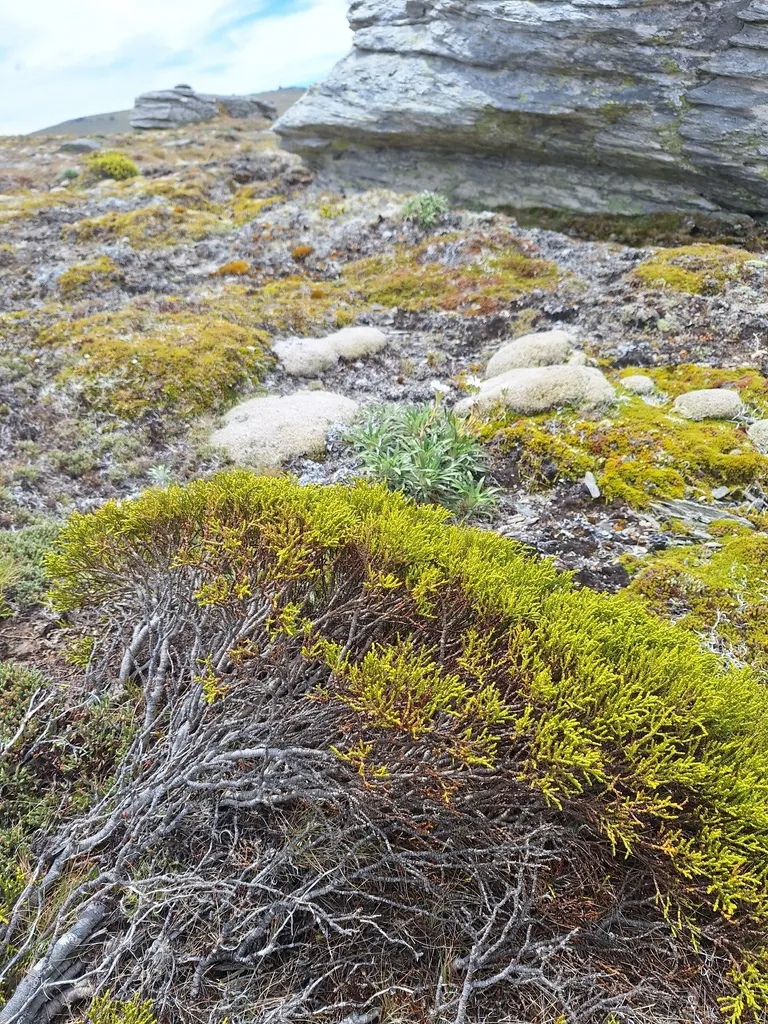
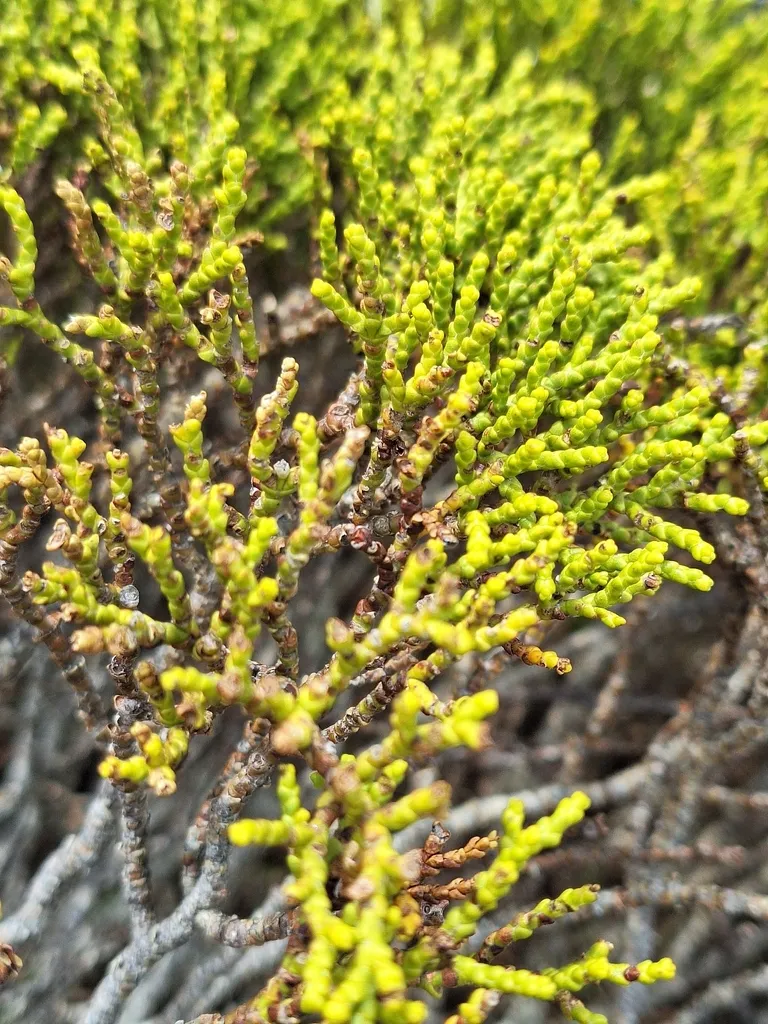
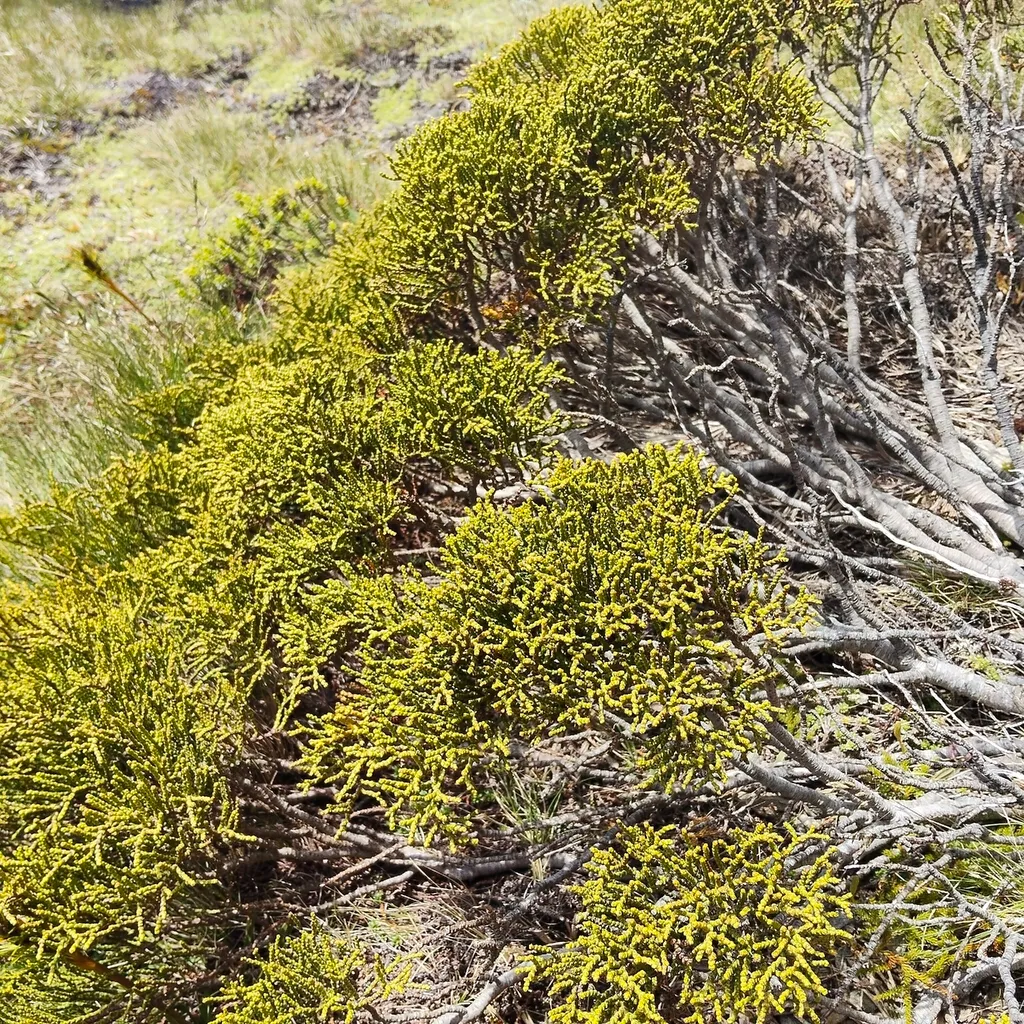
| Care difficulty | 2 / 5 |
|---|---|
| Watering schedule | Moderate regular watering, allowing brief slight drying between soakings |
| Sunlight requirements | Full sun |
| Ideal temperature | Information to be completed |
| Soil type | Chalk · Loam · Sand |
| Soil pH | Alkaline · Neutral |
| Soil moisture | Moist but well drained · Well drained |
| Fertilizing | Balanced perennial feed every four weeks from spring through summer |
| Toxicity | Information to be completed |
How to Water Veronica propinqua?
Moderate regular watering, allowing brief slight drying between soakings
Learn more →What Are the Sunlight Requirements for Veronica propinqua?
Full sun
Learn more →What Soil Is Best for Veronica propinqua?
- Soil type
- Chalk · Loam · Sand
- Soil pH
- Alkaline · Neutral
What Are the Moisture Requirements for Veronica propinqua?
Moist but well drained · Well drained
Learn more →How to Fertilize Veronica propinqua?

Balanced perennial feed every four weeks from spring through summer
Learn more →How to Prune Veronica propinqua?

Prune lightly as needed to remove unwanted shoots and keep the shrub in shape. Prune in mid- to late spring.
Learn more →How to Propagate Veronica propinqua?

Propagate by seed sown in containers in a cold frame as soon as ripe, or by semi-ripe cuttings with bottom heat in late summer or early autumn
Learn more →How to Plant Veronica propinqua?
Grow in poor to moderately fertile, well-drained, neutral to slightly alkaline soil in a sunny position with shelter from cold, drying wind. See Hebe cultivation
Learn more →Common Pests & Diseases

Diseases
High Risk Host for Xylella fastidiosa. May be susceptible to downy mildews, fungal leaf spot, fungal rot, Phytophthora and sometimes honey fungus
Pests
May be susceptible to aphids
Explore the plant health library →