



Planting and Growing purpleleaf false shamrock

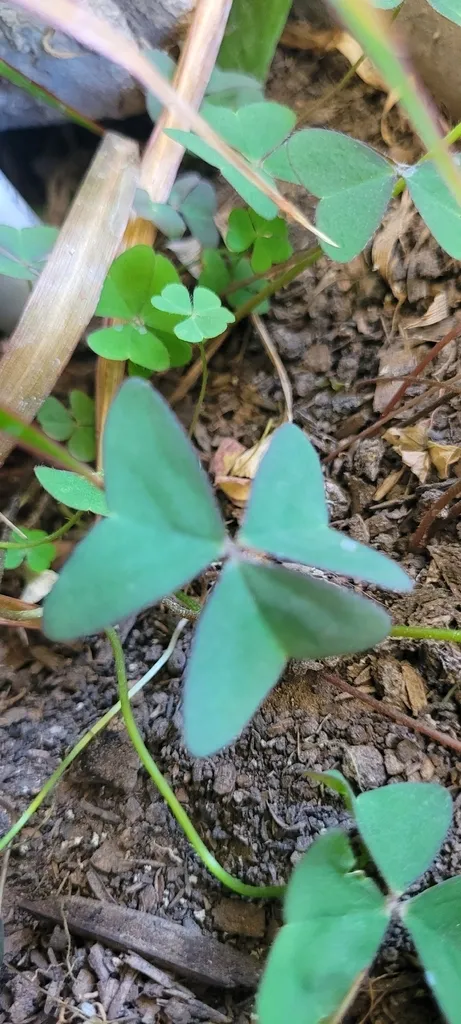
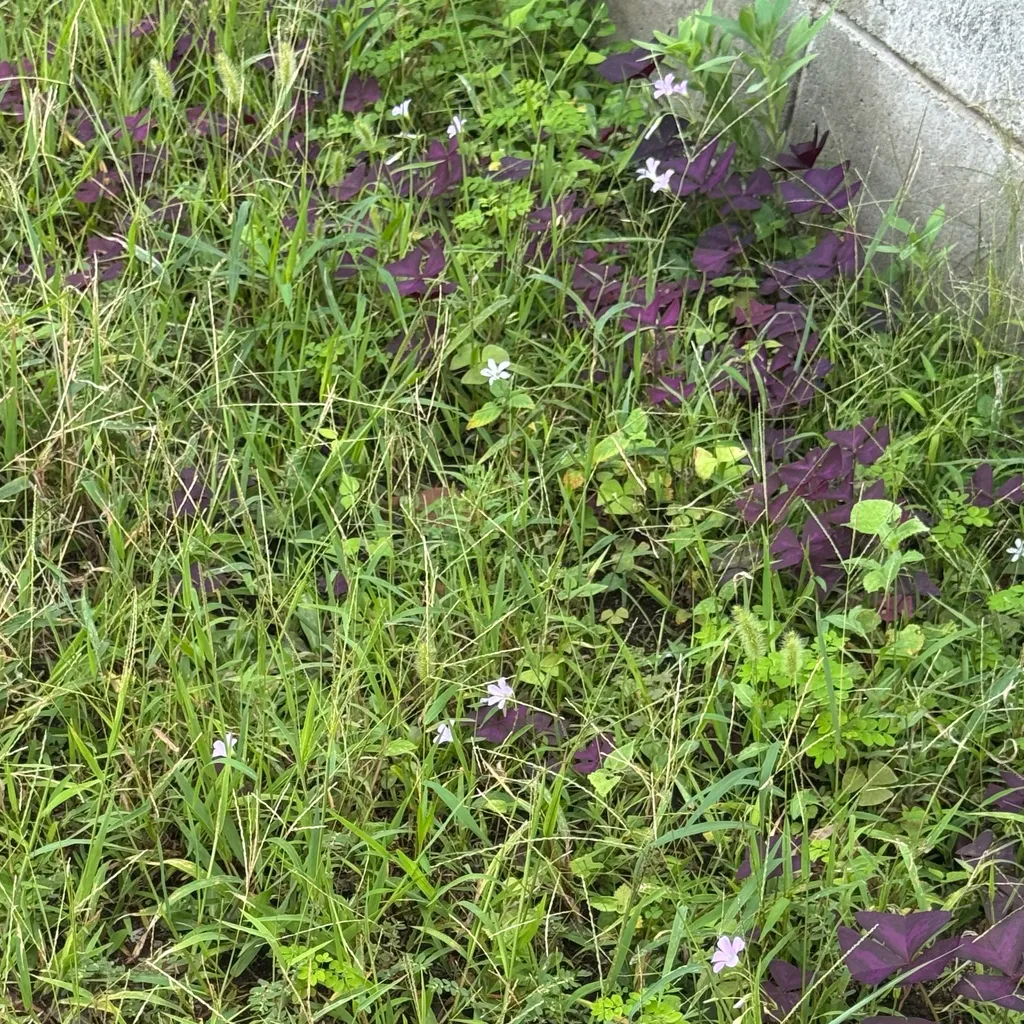
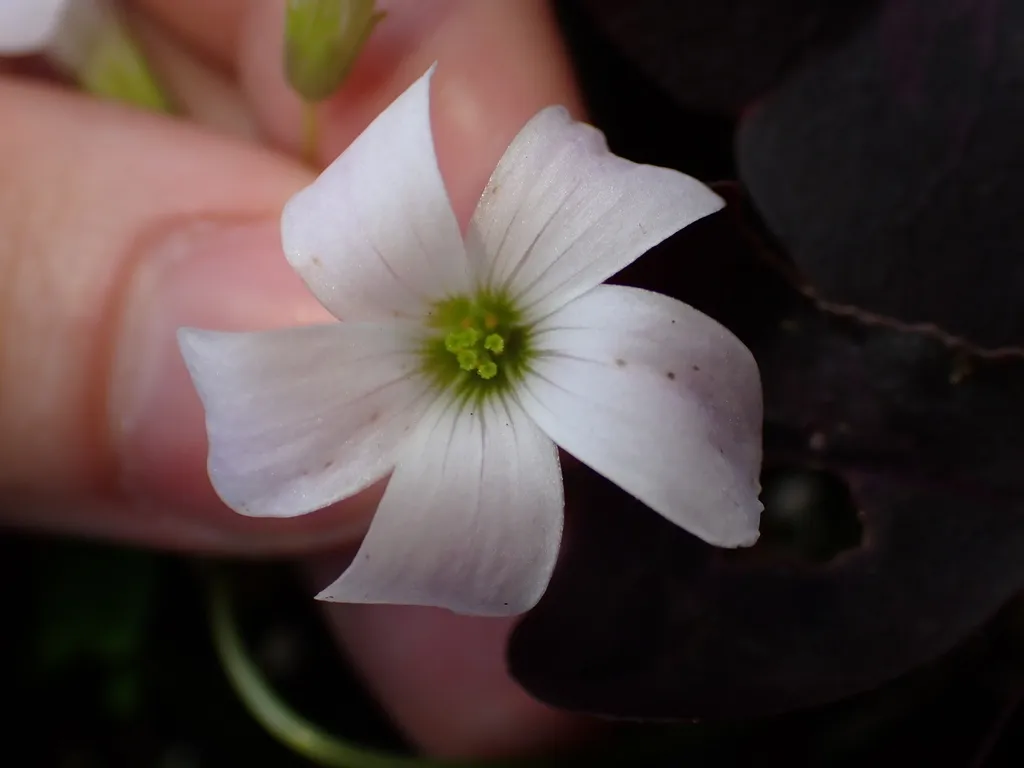
| Care difficulty | 2 / 5 |
|---|---|
| Watering schedule | Moderate regular watering, allowing brief slight drying between soakings |
| Sunlight requirements | Partial shade |
| Ideal temperature | 15 – 25 °C |
| Soil type | Sand · Loam · Chalk |
| Soil pH | Alkaline · Neutral · Acid |
| Soil moisture | Moist but well drained |
| Fertilizing | Balanced perennial feed every four weeks from spring through summer |
| Toxicity | Information to be completed |
How to Water purpleleaf false shamrock?
Originating from a humid environment, false shamrock has adapted to prefer consistent moisture without being waterlogged. Its drought tolerance is moderate, requiring a balance between hydration and drainage. Watering should be done every week to maintain its lush appearance. As an indoor plant, false shamrock thrives in well-draining soil that mimics its native tropical conditions, ensuring it receives adequate water without the risk of root rot. Given its preference for indirect light, ensuring proper watering can prevent leaf burn and promote vibrant foliage.
Learn more →What Are the Sunlight Requirements for purpleleaf false shamrock?
False shamrock thrives best under partial sun, where it receives ample yet diffused light, promoting vigorous growth and abundant flowering. While false shamrock adapts to full sun, its leaves may exhibit stress through fading color, and in full shade, growth is often less robust with reduced flowering potential. Indoors, false shamrock favors bright, indirect light near windows with east or west exposure. Outdoors, it should be situated in areas that mimic its ideal light conditions, such as under the dappled shade of taller plants. Its leaves may close at night or in response to excessive light as a protective response, enhancing its ornamental appeal.
Learn more →What Is the Ideal Temperature Range for purpleleaf false shamrock?

False shamrock exhibits moderate resilience to temperature fluctuations, tolerating a range from -5℃ (23℉) to 41℃ (106℉). However, exposure to temperatures below this range can cause leaf discoloration or dieback, while extreme heat can result in wilting or scorched leaves. To care for false shamrock, protect it with frost cloths or bring it indoors during cold spells, and ensure adequate hydration and shading during heatwaves. Recognizing symptoms like pale or drooping leaves helps address temperature stress promptly. By monitoring and adjusting the growing environment, false shamrock can thrive despite variable weather conditions.
Learn more →What Soil Is Best for purpleleaf false shamrock?
False shamrock thrives in well-draining potting mix to prevent root rot. For homemade mix, combine equal parts of peat, perlite, and potting soil. If peat is unavailable, coconut coir is a suitable substitute. Ensure pots have drainage holes. Periodically adding a balanced, water-soluble fertilizer, according to package directions, will promote false shamrock's growth. Avoid dense garden soil to maintain proper aeration.
- Soil type
- Sand · Loam · Chalk
- Soil pH
- Alkaline · Neutral · Acid
What Are the Moisture Requirements for purpleleaf false shamrock?
Moist but well drained
Learn more →How to Fertilize purpleleaf false shamrock?

For optimal growth, false shamrock thrives with fertilization using balanced nutrition fertilizers. Fertilize bi-weekly during active growth in spring and summer, reducing to once a month in fall and none in winter. A quarter-strength dose prevents over-fertilization, supporting vigorous growth and bloom production. Seasonally adjust the regimen to match false shamrock's growth cycle; excessive application can harm the plant. Use liquid fertilizers for even distribution and root absorption. Wear gloves and wash hands post-application for safety.
Learn more →How to Prune purpleleaf false shamrock?

False shamrock is a distinct plant recognized for its triangular leaves and delicate flowers. Key pruning techniques include removing dead or yellowing leaves to encourage new growth and maintain a tidy appearance. Pruning should ideally be conducted in early to late spring, aligning with its growth cycle. Regularly trimming spent flowers can enhance blooming. Specific considerations include using clean, sharp tools to prevent disease and ensuring proper light exposure to promote healthy development.
Learn more →How to Propagate purpleleaf false shamrock?

False shamrock is a perennial plant valued for its ornamental foliage, with leaves resembling clover in a striking purple color. Propagation is most successfully achieved through division, where the clumps of tuberous roots are separated during the plant's active growth period. To encourage robust development, each division should contain a portion of the root system and at least one growing point. Once divided, the segments are replanted in well-draining soil and kept moist until established. This method enables gardeners to reliably expand their collection of false shamrock, ensuring consistent characteristics and plant vigor.
Learn more →How to Transplant purpleleaf false shamrock?
The best time to transplant false shamrock is during early to mid-spring, as the warmer temperatures will encourage root establishment. Choose a well-draining location with dappled sunlight. Keep in mind that providing ample space will result in a healthy, vibrant display of this charming perennial.
Learn more →How to Care for purpleleaf false shamrock in Winter?

False shamrock, native to tropical Brazil, adapts to winter by entering a period of dormancy, functioning like a natural 'power down' mode. During this time, the plant regains vitality for spring revamp. For winter care, gardeners should reduce watering, let the leaves die back naturally, and place it in a bright, cool spot. A sprinkling of water occasionally keeps the soil slightly moist, aiding in maintaining the plant's health.
Learn more →How to Plant purpleleaf false shamrock?
Indoors-potted: For a cozy indoor setting, false shamrock adds drama with its unique foliage that folds down at night, mimicking sleep movements. Outdoors-potted: False shamrock thrives in outdoor pots, where it can spread gracefully; just ensure protection from intense afternoon heat. Outdoors-in the ground: In the garden soil, false shamrock may naturalize over time, offering an enchanting ground cover that's both hardy and dynamic.
Learn more →How to Repot purpleleaf false shamrock?
For false shamrock, a bushy, low-growing plant with distinct purple leaves, repot every 2-3 years to accommodate root growth, ideally during spring for robust recovery. Choose a container slightly larger than the current one, ensuring drainage. Use fresh soil and water sparingly post-repotting to prevent root rot, maintaining a friendly environment for this unique species.
Learn more →How to Harvest purpleleaf false shamrock?

Information to be completed
Learn more →Common Pests & Diseases

Diseases
May be susceptible to rust diseases
Pests
May be susceptible to slugs and snails outdoors
Explore the plant health library →The Toxicity of purpleleaf false shamrock
Information to be completed