



Planting and Growing Alpinia purpurata

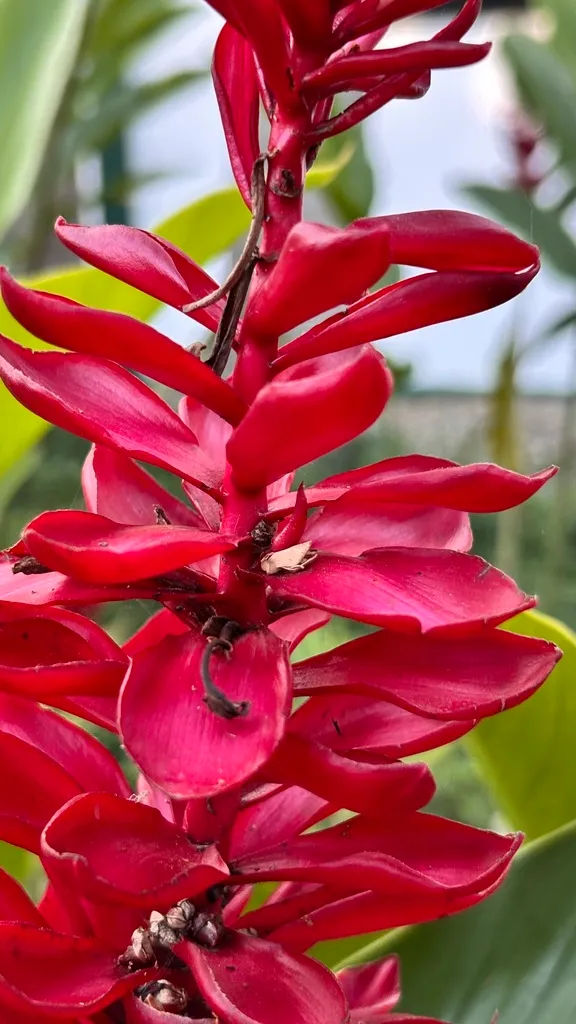
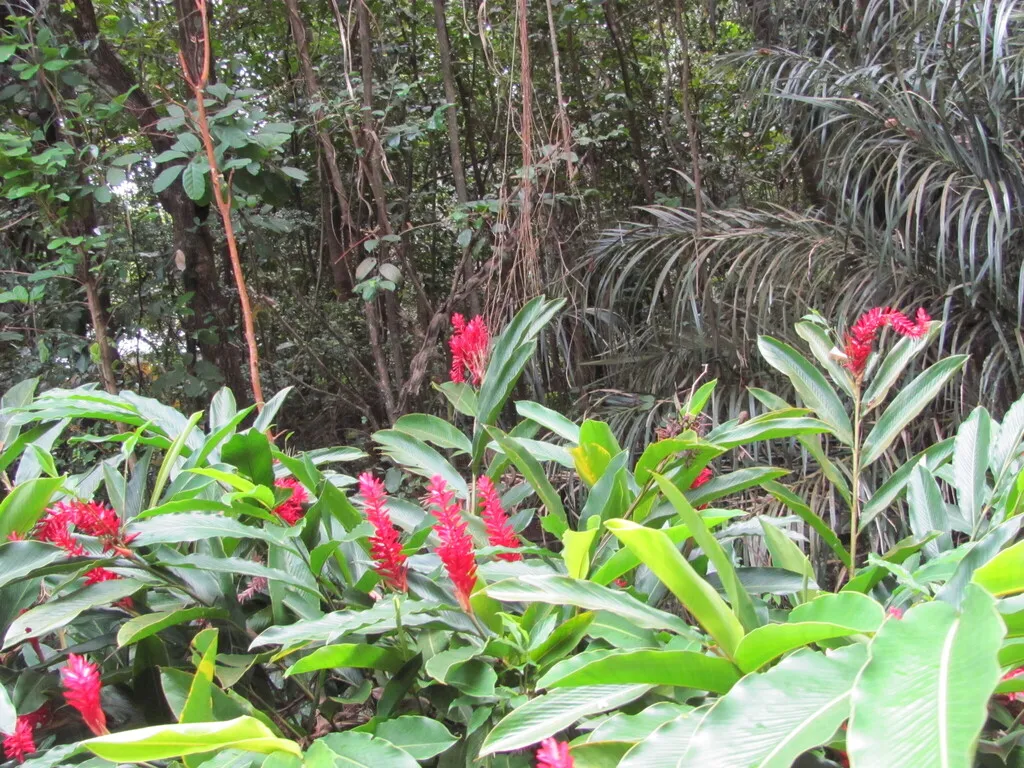
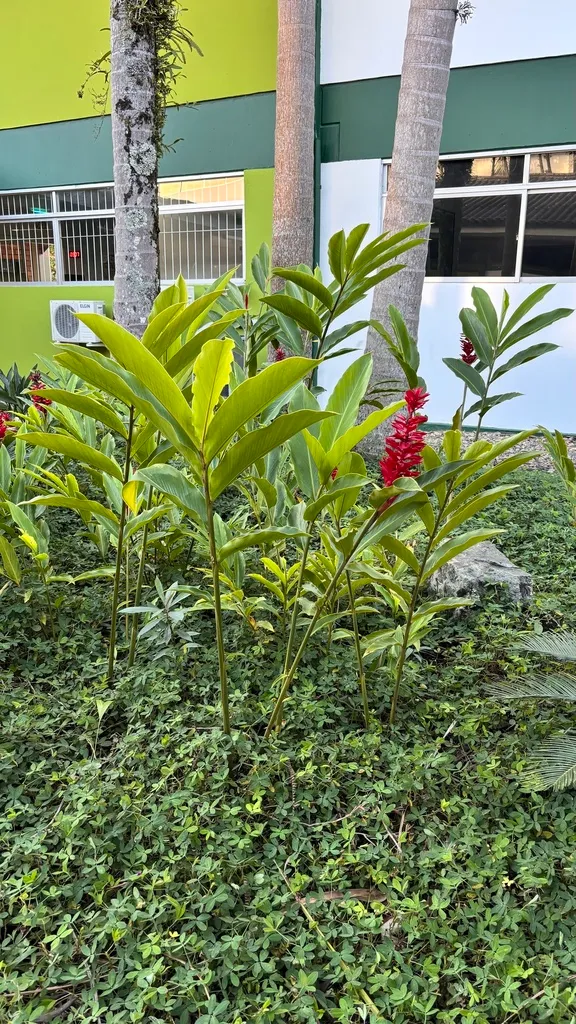
| Care difficulty | 3 / 5 |
|---|---|
| Watering schedule | Moderate regular watering, allowing brief slight drying between soakings |
| Sunlight requirements | Partial shade |
| Ideal temperature | 20 – 30 °C |
| Soil type | Loam |
| Soil pH | Neutral |
| Soil moisture | Moist but well drained |
| Fertilizing | Balanced perennial feed every four weeks from spring through summer |
| Toxicity | Information to be completed |
How to Water Alpinia purpurata?
Thriving in the humid conditions of its tropical origins, red ginger has adapted to require consistent moisture. This species is characterized by a preference for high humidity and evenly moist soil, reflecting its natural rainforest habitat. To maintain its lush growth, red ginger should be watered every week. Cultivated primarily outdoors due to its size and ornamental appeal, red ginger benefits from a growing season that aligns with periods of high rainfall, ensuring optimal hydration and health.
Learn more →What Are the Sunlight Requirements for Alpinia purpurata?
Red ginger thrives best under partial sun conditions, enjoying bright but indirect light that fosters robust growth and vibrant flowering. While red ginger exhibits a degree of adaptability, tolerating both full sun and full shade, these extremes can impact its vigor. Excess direct sunlight may lead to leaf scorch, whereas insufficient light can result in leggy stems and reduced blooming. Outdoors, red ginger favors positions that offer dappled sunlight or afternoon shade, whereas indoors, a spot near a window with filtered light is ideal. Adapting to varying light, red ginger can exhibit leaf color changes to maximize photosynthesis efficiency.
Learn more →What Is the Ideal Temperature Range for Alpinia purpurata?

Red ginger exhibits moderate resilience to temperature variations. It can tolerate cold temperatures down to 5℃ (41℉) and heat up to 43℃ (109℉). During colder conditions, you may notice wilting or leaf yellowing, indicating stress. Conversely, excessive heat can cause leaf burn or dehydration. To protect red ginger, consider using frost protection cloths in the cold and providing ample water and partial shade in high heat. Its adaptability to these temperature extremes makes red ginger suitable for diverse environments but requires proactive measures to ensure its well-being under severe weather.
Learn more →What Soil Is Best for Alpinia purpurata?
Red ginger prefers well-drained soil to thrive and avoid root rot. A suitable mix can be made by combining equal parts garden soil, compost, and perlite or sand to ensure proper drainage. If unavailable, a high-quality commercial potting mix will work. Adding organic matter like aged manure or leaf mold enhances soil fertility. Fertilize every 2-3 months with a balanced 10-10-10 fertilizer for optimal growth.
- Soil type
- Loam
- Soil pH
- Neutral
What Are the Moisture Requirements for Alpinia purpurata?
Moist but well drained
Learn more →How to Fertilize Alpinia purpurata?

Fertilizing red ginger is key for lush growth and vibrant blooms. Use high nitrogen fertilizers every six weeks during active growth. A balanced 12-4-6 NPK ratio encourages robust vegetative development. During dormancy, reduce feeding frequency to preserve plant health without overstimulating. Moderate quantities, following label instructions, prevent root burn. Gardeners, remember to don gloves for safe application and water red ginger post-fertilization to aid nutrient absorption. Seasonal adjustments align with red ginger's growth cycle, ensuring tailored care for optimal results.
Learn more →How to Prune Alpinia purpurata?

Red ginger is a tropical ornamental plant known for its vibrant, red flowers and lush foliage. To keep it healthy and aesthetically pleasing, prune red ginger in early to late spring. Remove spent flowers, dead or damaged stems, and trim back overgrown parts to encourage bushier growth. Pruning helps improve air circulation and light penetration, reducing disease risk. Regular maintenance ensures robust flowering and prevents the plant from becoming leggy.
Learn more →How to Propagate Alpinia purpurata?

Red ginger is best propagated in Spring by using tubers, as it allows for an easier and smoother propagation process. Propagation success is indicated by new growth appearing from tuber sections. Keep tubers moist and warm during propagation for optimal results.
Learn more →How to Transplant Alpinia purpurata?
Transplant red ginger in the onset of the warm season for optimum root establishment. Select a well-draining location with partial shade. Tip: Ensure soil remains moist post-transplant for best growth.
Learn more →How to Care for Alpinia purpurata in Winter?

Red ginger originates from tropical South Pacific regions, naturally thriving in high humidity and warmth, largely unadapted to wintry conditions. Gardening efforts should aim to replicate its native neon warmth, ensuring indoor placement with well-drained soil, high moisture, and no exposure to freezing temperatures. Its exotic foliage and vivacious flowers persist with adequate winter care.
Learn more →How to Plant Alpinia purpurata?
Indoors-potted: In a cozy indoor setting, red ginger thrives with stable warmth and humidity. Mind its growth habit—it can reach for the skies indoors, so plan vertical space accordingly. Outdoors-potted: Red ginger, when housed in an outdoor pot, enjoys the freedom to spread but watch out for overcrowding—regular grooming maintains health and aesthetics. Outdoors-in the ground: Planted directly in the garden, red ginger's vivid blossoms are a showstopper. Ensure ample elbow room as it likes to stretch out, enhancing your landscape's tropical allure.
Learn more →How to Repot Alpinia purpurata?
Repot red ginger every 2-3 years to accommodate its moderate growth. As a large bush, it thrives with ample space. Spring is ideal, aligning with its active growth phase. Choose a container one size larger for roots to spread. Post-repotting, keep the soil moist and provide indirect light for recovery. Engage with red ginger, ensuring it remains a vibrant, tropical centerpiece.
Learn more →Common Pests & Diseases

Diseases
Generally disease-free
Pests
Generally pest-free
Explore the plant health library →Troubleshooting
Leggy Stems, Sparse Flowering, or Root Rot
Alpinia purpurata performs best in well-drained soil with appropriate sunlight and regular deadheading; soggy soil rots roots, while low light or skipped pinching causes leggy growth.
| What you notice | Possible explanation | What to check next |
|---|---|---|
| Stems stretch tall and floppy with sparse blooms | Insufficient direct sunlight, lack of early-season pinching/deadheading, or excess high-nitrogen fertilizer | Assess daily sun hours and check whether spent flowers are left to set seed |
| Lower leaves turn yellow and plant wilts while soil stays wet and heavy | Root or stem rot from overwatering or poor drainage (Generally disease-free) | Check soil drainage and ensure containers have open drainage holes |
- Grow in fertile, well-drained soil in partial shade, spacing plants for good airflow.
- Water consistently without waterlogging: Moderate regular watering, allowing brief slight drying between soakings.
- Maintain compact flowering growth: Cut out flowered stems in spring.
Stop watering waterlogged containers immediately and improve drainage before fungal root or stem rot spreads.
Powdery Mildew, Grey Mould, or Aphids and Slugs
Crowded foliage, dry root stress, or damp stagnant air can trigger mildew or grey mould on Alpinia purpurata, while tender shoots attract pests.
| What you notice | Possible explanation | What to check next |
|---|---|---|
| White powdery coating on leaves, or fuzzy grey mold on damp spent flowers | Fungal disease (Generally disease-free) favored by drought stress at the roots or wet, crowded foliage | Inspect lower leaves and spent blooms and check plant spacing |
| Distorted shoot tips with aphids/whiteflies, or ragged holes chewed in young leaves | Common pests (Generally pest-free) | Check shoot tips, leaf undersides, and damp ground around the crown |
- Water at the base of the plant early in the day rather than overhead, and thin or divide congested clumps in spring or autumn.
- Remove mildewed leaves and faded flowers promptly, and clear plant debris at season's end.
- Manage aphids or whiteflies with a firm water spray or insecticidal soap per label directions, and protect young shoots from slugs.
Protect frost-tender bedding or subtropical perennials indoors or under glass before autumn frosts.