



Planting and Growing Indian pea

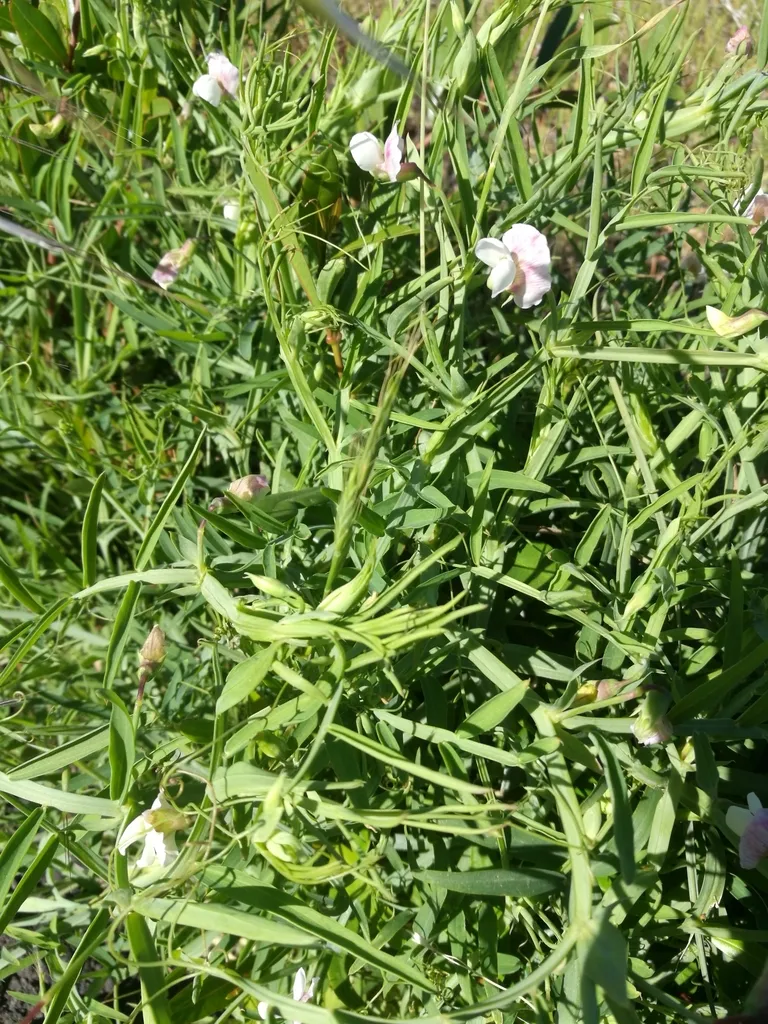
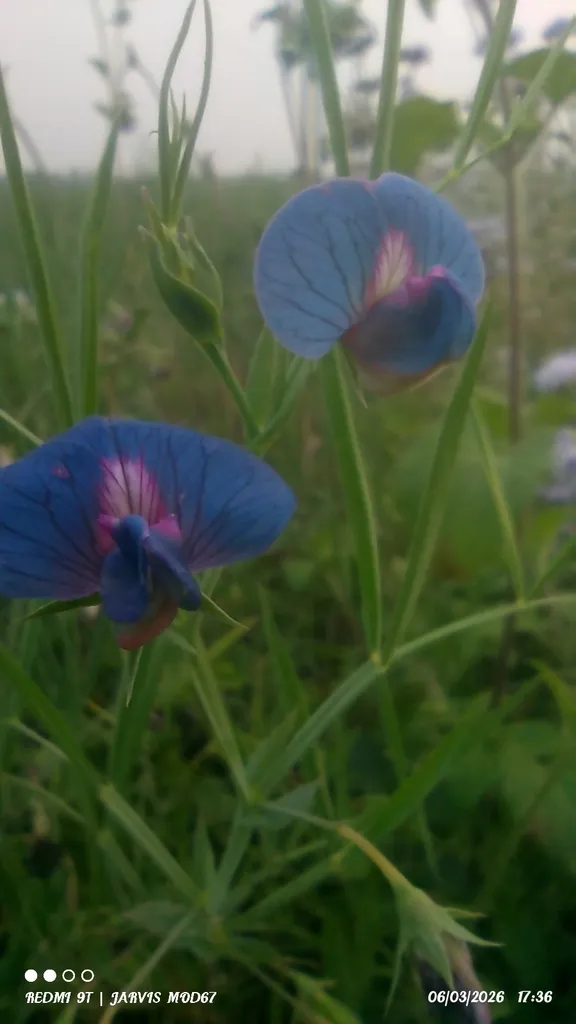
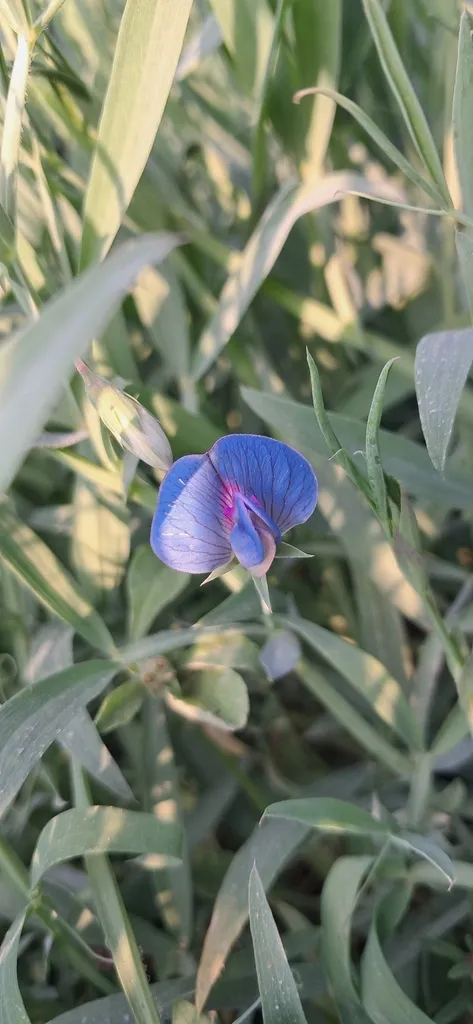
| Care difficulty | 3 / 5 |
|---|---|
| Watering schedule | Moderate regular watering, allowing brief slight drying between soakings |
| Sunlight requirements | Full sun |
| Ideal temperature | Information to be completed |
| Soil type | Chalk · Clay · Loam · Sand |
| Soil pH | Acid · Alkaline · Neutral |
| Soil moisture | Moist but well drained |
| Fertilizing | Balanced perennial feed every four weeks from spring through summer |
| Toxicity | Harmful if eaten. Wear gloves and other protective equipment when handling |
How to Water Indian pea?
Moderate regular watering, allowing brief slight drying between soakings
Learn more →What Are the Sunlight Requirements for Indian pea?
Full sun
Learn more →What Is the Ideal Temperature Range for Indian pea?

Information to be completed
Learn more →What Soil Is Best for Indian pea?
- Soil type
- Chalk · Clay · Loam · Sand
- Soil pH
- Acid · Alkaline · Neutral
What Are the Moisture Requirements for Indian pea?
Moist but well drained
Learn more →How to Fertilize Indian pea?

Balanced perennial feed every four weeks from spring through summer
Learn more →How to Prune Indian pea?

No pruning required, but deadheading before seeds have formed will prolong the flowering season
Learn more →How to Propagate Indian pea?

Propagate by seed, soaked for 24 hours before sowing, and sow directly in spring, 2.5cm deep, or sow in containers under cover in autumn or winter and then plant out in spring
Learn more →How to Transplant Indian pea?
Information to be completed
Learn more →How to Care for Indian pea in Winter?

Information to be completed
Learn more →How to Plant Indian pea?
Grow in full sun in moist but well-drained soil, and provide support or grow next to shrubs over which it can scramble. See sweetpea cultivation for further information.
Learn more →How to Repot Indian pea?
Information to be completed
Learn more →How to Harvest Indian pea?

Information to be completed
Learn more →Common Pests & Diseases

Diseases
Generally disease-free
Pests
May be susceptible to aphids, slugs, snails and thrips but generally pest-free
Explore the plant health library →The Toxicity of Indian pea
Harmful if eaten. Wear gloves and other protective equipment when handling