



Planting and Growing pear 'Black Worcester'

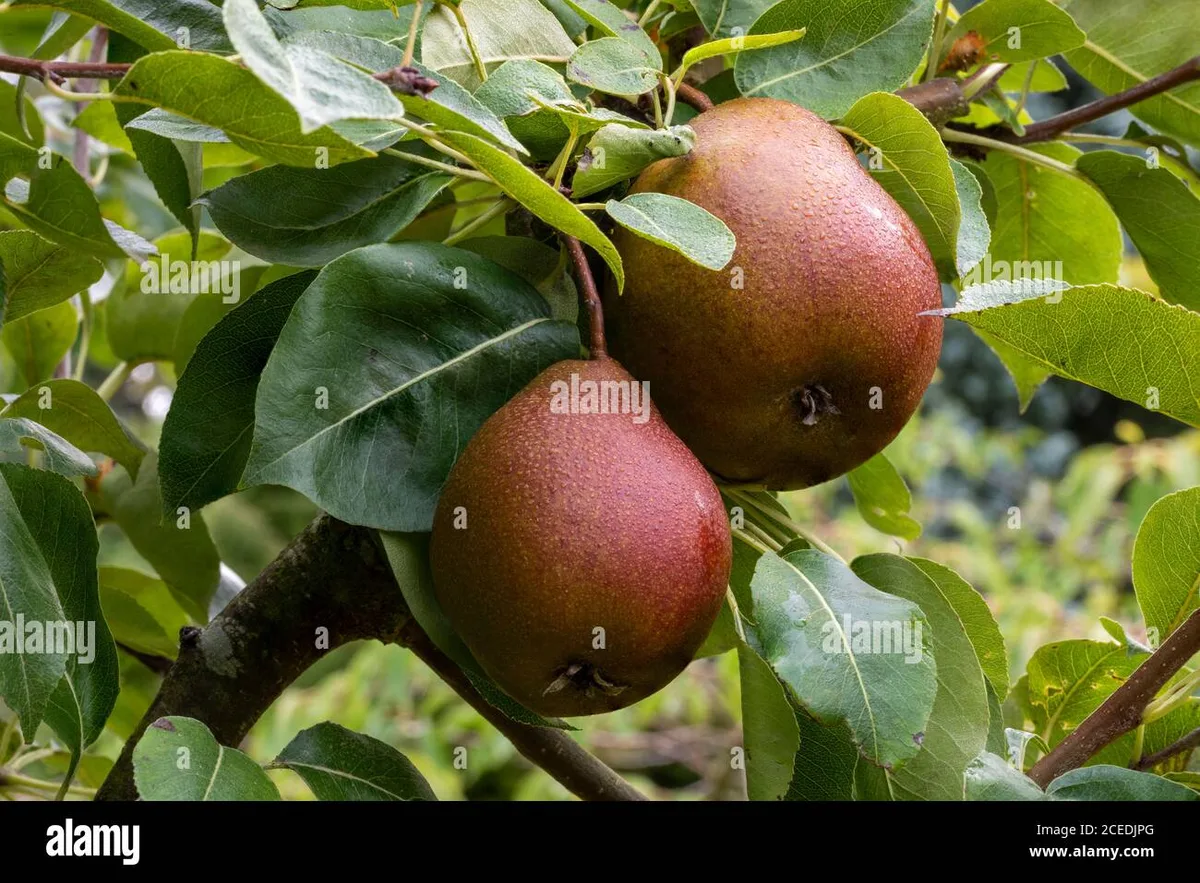
| Care difficulty | 3 / 5 |
|---|---|
| Watering schedule | Deep watering during dry spells, let surface soil partly dry between sessions |
| Sunlight requirements | Full sun |
| Ideal temperature | Information to be completed |
| Soil type | Clay · Loam · Sand |
| Soil pH | Acid · Neutral |
| Soil moisture | Moist but well drained · Well drained |
| Fertilizing | Balanced tree feed applied once every early spring growth cycle |
| Toxicity | Information to be completed |
How to Water pear 'Black Worcester'?
Deep watering during dry spells, let surface soil partly dry between sessions
Learn more →What Are the Sunlight Requirements for pear 'Black Worcester'?
Full sun
Learn more →What Soil Is Best for pear 'Black Worcester'?
- Soil type
- Clay · Loam · Sand
- Soil pH
- Acid · Neutral
What Are the Moisture Requirements for pear 'Black Worcester'?
Moist but well drained · Well drained
Learn more →How to Fertilize pear 'Black Worcester'?

Balanced tree feed applied once every early spring growth cycle
Learn more →How to Prune pear 'Black Worcester'?

Regular pruning required, according to form: cordons, espaliers and Prune established fans. Can also be grown as standards or spindlebushes. For further guidance see: pruning new pear trees, summer pear pruning, winter pear pruning, renovating pear trees
Learn more →How to Propagate pear 'Black Worcester'?

Propagate by grafting or budding onto a clonal rootstock for fruit; quince rootstocks are usually used. The rootstock used will effect plant size
Learn more →How to Plant pear 'Black Worcester'?
Suitable for all training forms including espaliers, fan-training, pyramids and cordon. Needs another pear cultivar for pollination. Keep a weed free area of 60cm radius around the trunk. Thin fruit if necessary
Learn more →Common Pests & Diseases

Diseases
May be susceptible to blossom wilt, brown rot, fireblight, pear scab, European pear rust and honey fungus (rarely)
Pests
May be susceptible to aphids, caterpillars, codling moth, pear blister mite, pear midge and pear and cherry slugworm
Explore the plant health library →