



Planting and Growing golden-bow dendrobium

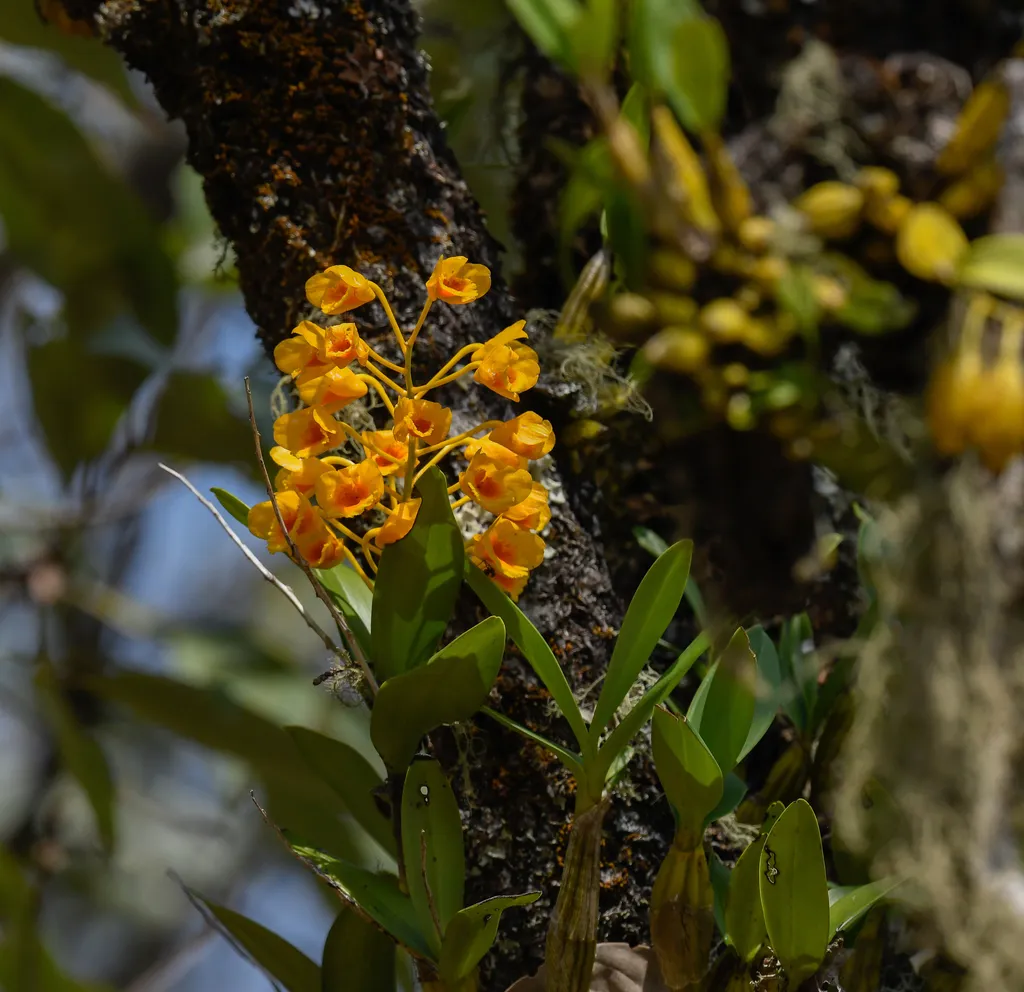
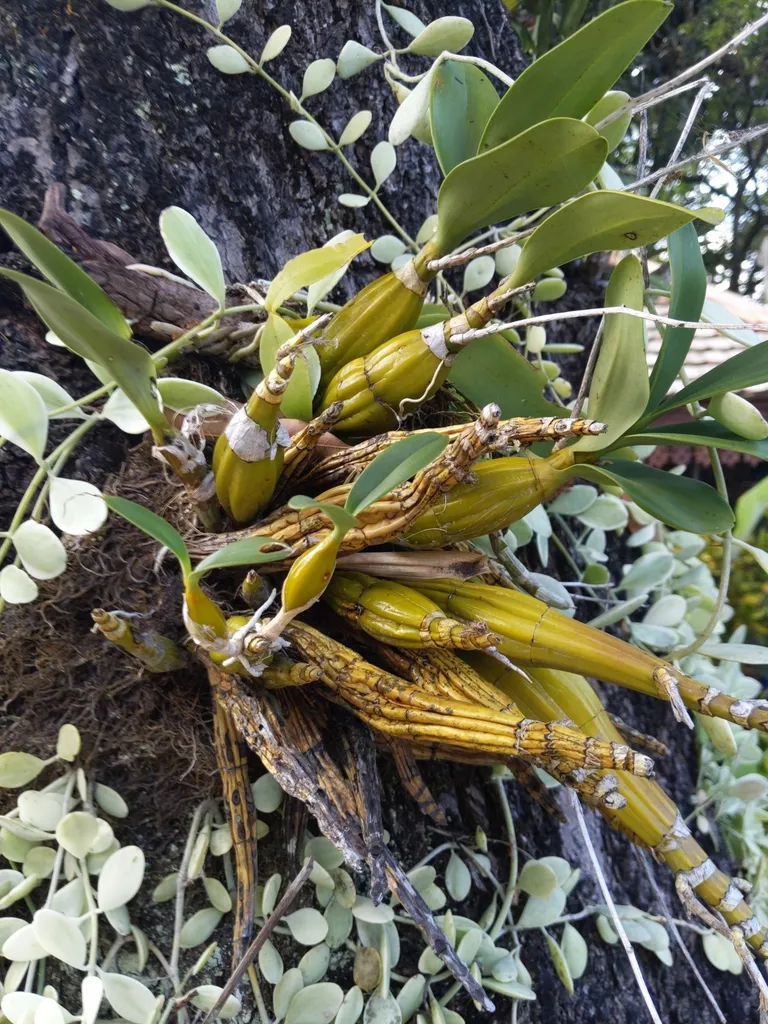
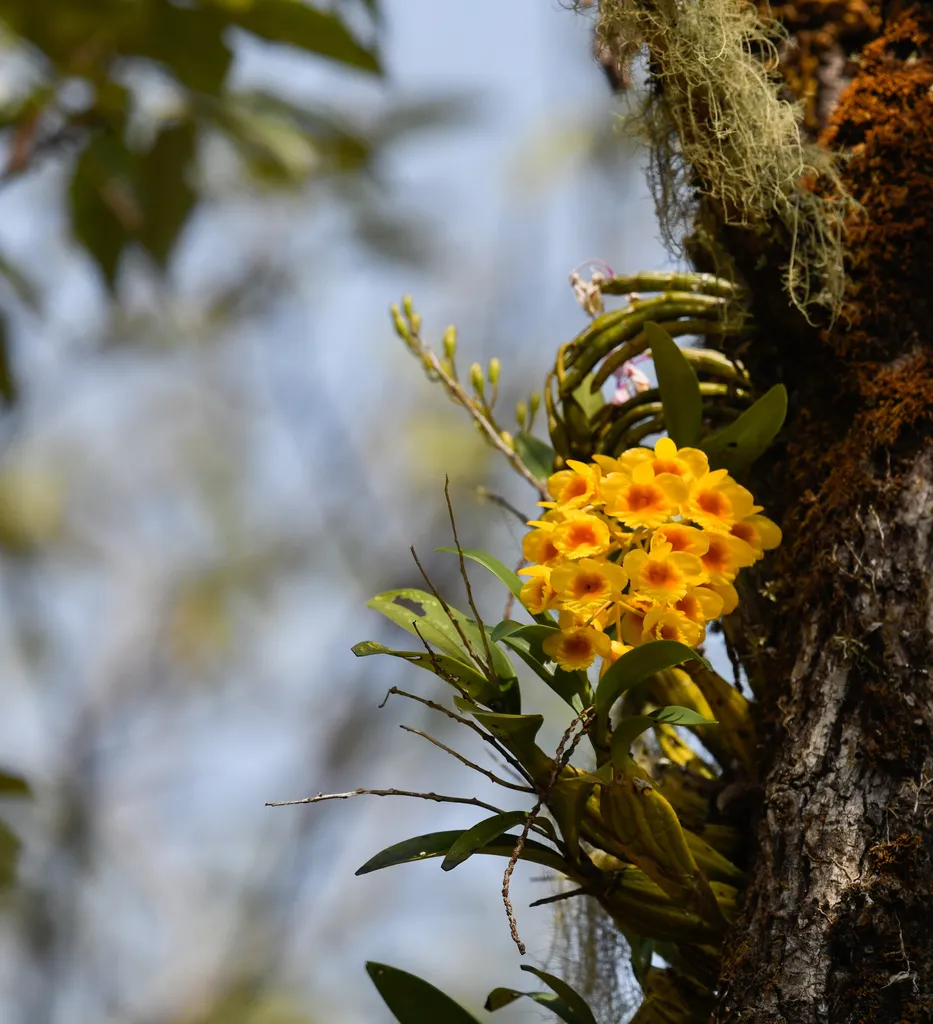
| Care difficulty | 3 / 5 |
|---|---|
| Watering schedule | Keep potting medium lightly moist, airy, and never stagnant |
| Sunlight requirements | Partial shade · Full sun |
| Ideal temperature | Information to be completed |
| Soil type | Information to be completed |
| Soil pH | Neutral |
| Soil moisture | Well drained |
| Fertilizing | Half-strength orchid feed every two to three weeks in active growth |
| Toxicity | Information to be completed |
How to Water golden-bow dendrobium?
Keep potting medium lightly moist, airy, and never stagnant
Learn more →What Are the Sunlight Requirements for golden-bow dendrobium?
Partial shade · Full sun
Learn more →What Is the Ideal Temperature Range for golden-bow dendrobium?

Information to be completed
Learn more →What Soil Is Best for golden-bow dendrobium?
- Soil type
- Information to be completed
- Soil pH
- Neutral
What Are the Moisture Requirements for golden-bow dendrobium?
Well drained
Learn more →How to Fertilize golden-bow dendrobium?

Half-strength orchid feed every two to three weeks in active growth
Learn more →How to Prune golden-bow dendrobium?

No pruning required. Remove spent flowers as necessary, but do not cut the whole cane unless completely shrivelled.
Learn more →How to Propagate golden-bow dendrobium?

Propagation by seed is only possible in controlled laboratory environment. Mature plants may be divided when the plant overgrows the pot. Sideshoots (keiki) may develop on older canes - remove and pot them into sphagnum moss when the new roots are at least 2cm long.
Learn more →How to Transplant golden-bow dendrobium?
Information to be completed
Learn more →How to Care for golden-bow dendrobium in Winter?

Information to be completed
Learn more →How to Plant golden-bow dendrobium?
Plants are best grown in pot, or mounted on cork bark or wood if sufficient humidity can be provided. Grow in an epiphytic, medium grade, bark-based potting mix with added perlite, moss, or coir. As with many orchids, they grow best when the roots are slightly restricted. Therefore, avoid over-potting or frequent root disturbance. Provide bright, but indirect light and higher humidity by watering and misting frequently in spring and summer, then move the plant to a bright, cooler room in autumn and winter. Reduce watering and feeding until warmer temperatures initiate new growth in spring. See indoor orchid cultivation
Learn more →How to Repot golden-bow dendrobium?
Information to be completed
Learn more →How to Harvest golden-bow dendrobium?

Information to be completed
Learn more →Common Pests & Diseases

Diseases
Generally disease-free.
Pests
May be susceptible to scale insects, aphids, mealybugs and red spider mite.
Explore the plant health library →The Toxicity of golden-bow dendrobium
Information to be completed