



Planting and Growing Parry's agave

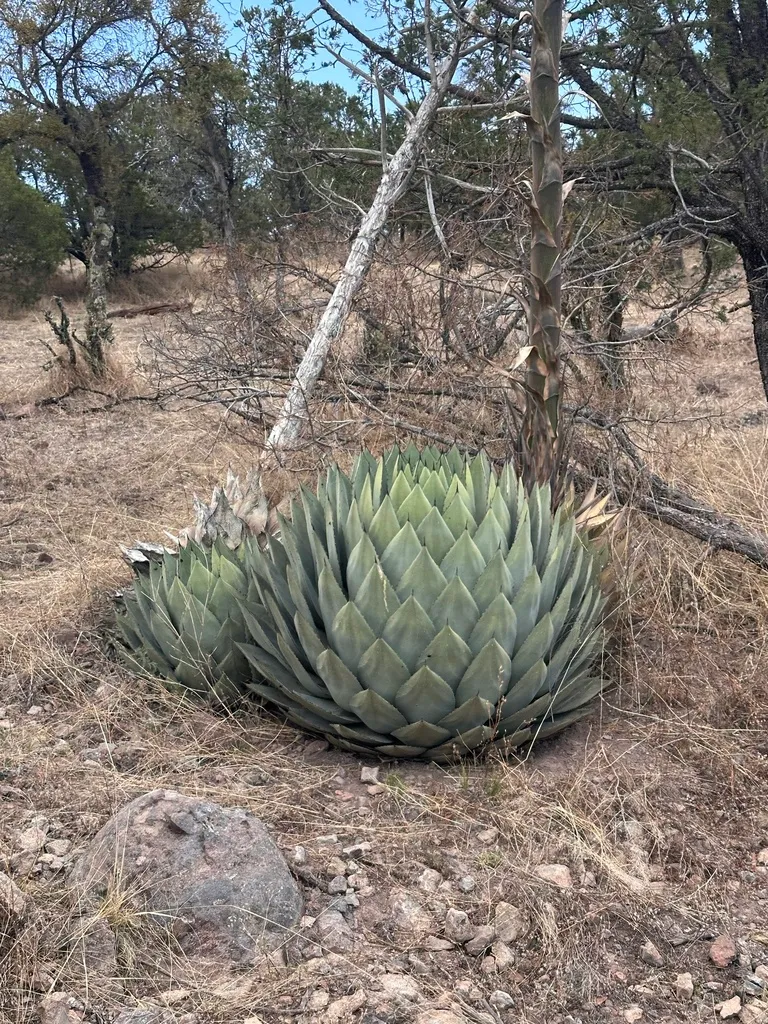
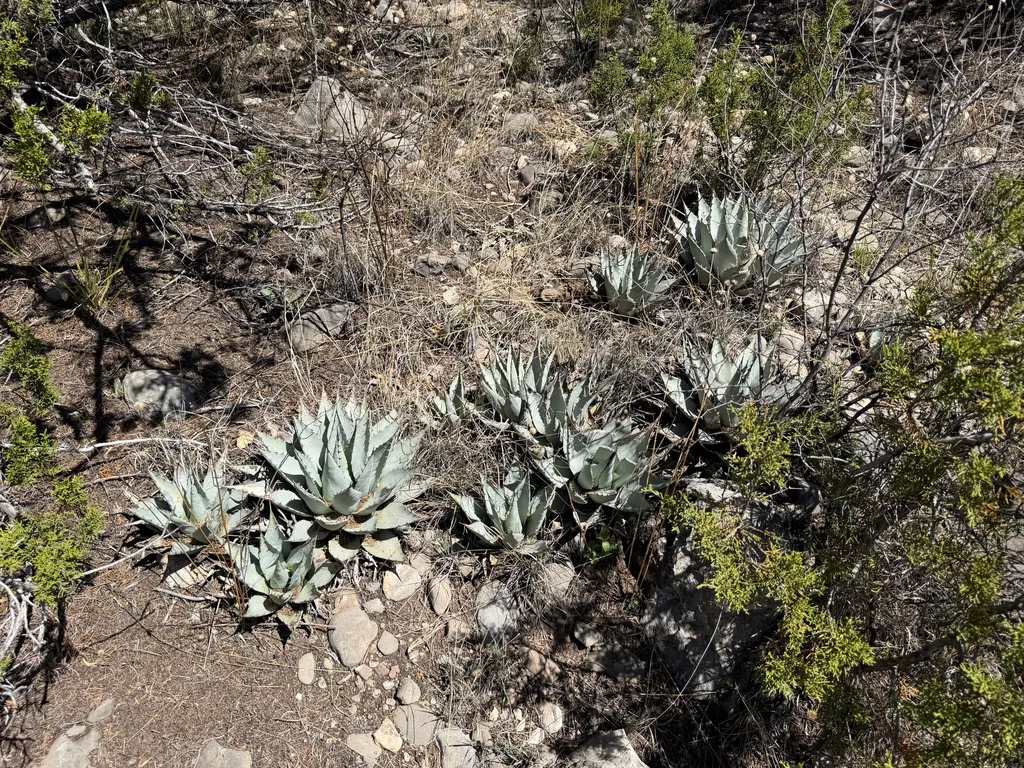
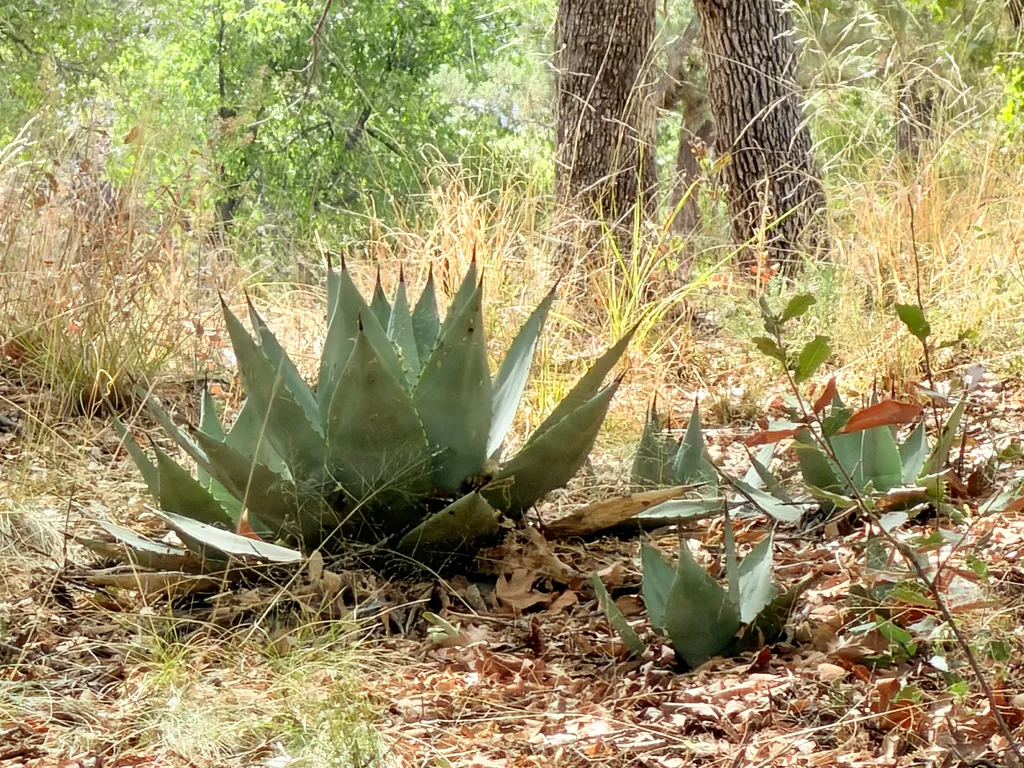
| Care difficulty | 2 / 5 |
|---|---|
| Watering schedule | Moderate regular watering, allowing brief slight drying between soakings |
| Sunlight requirements | Full sun |
| Ideal temperature | 18 – 28 °C |
| Soil type | Sand |
| Soil pH | Acid |
| Soil moisture | Well drained |
| Fertilizing | Balanced perennial feed every four weeks from spring through summer |
| Toxicity | Skin irritant. Wear gloves and other protective equipment when handling |
How to Water Parry's agave?
Thriving in arid conditions, parry's Agave has adapted to store water within its succulent leaves, a testament to its resilience in drought-prone environments. It requires minimal watering, aligning with its natural habitat's scarce precipitation—watering once every three weeks suffices. Parry's Agave favors well-draining soil and tolerates dry spells exceptionally well. Cultivated primarily outdoors due to its size and sun requirements, parry's Agave demonstrates a robust growth cycle that is remarkably attuned to the infrequent rains of its native desert climes.
Learn more →What Are the Sunlight Requirements for Parry's agave?
Parry's Agave thrives in full sun conditions, soaking up abundant rays to fuel its robust growth and prolific blooming. The ideal exposure to bright, unfiltered sunlight underpins its health, ensuring thick, succulent leaves and optimal flowering. Adaptable to a degree, parry's Agave can endure some light variability, but prolonged shade curtails its vigor and bloom production. Outdoors, parry's Agave excels in open, sun-drenched sites, while indoors, a south-facing window offering ample light mimics its natural habitat. Parry's Agave's resilience in the face of intense light speaks to its origin in arid, sunny regions, and its penchant for full sun should guide its placement for best results.
Learn more →What Is the Ideal Temperature Range for Parry's agave?

Parry's Agave showcases remarkable resilience to temperature fluctuations, tolerating cold down to -5℃ (23℉) and heat up to 43℃ (109℉). Such adaptability makes it suitable for varied climates but necessitates protective measures in extreme conditions. During prolonged frosts, cover parry's Agave to shield it from potential damage. Heat stress, signaled by leaf scorching or wilting, demands adequate hydration and shade. Overcooling may lead to stunted growth or tissue damage. Counter these by moving the plant indoors or using frost cloths. Overheating requires increased watering and potentially relocating the plant to a cooler spot. Understanding these tolerance ranges ensures optimal care for parry's Agave.
Learn more →What Soil Is Best for Parry's agave?
To accommodate parry's Agave's need for excellent drainage, prepare a mix with equal parts succulent & cactus soil, coarse sand, and perlite. Ensuring aeration will prevent root rot. If sand is scarce, pumice or lava rock can substitute. Use a slow-release fertilizer during the growing season for additional nourishment. Keep the mix dry between watering for optimal parry's Agave health.
- Soil type
- Sand
- Soil pH
- Acid
What Are the Moisture Requirements for Parry's agave?
Well drained
Learn more →How to Fertilize Parry's agave?

For parry's Agave, use a balanced succulents and cacti fertilizer to enhance growth and vigor. Fertilize sparingly, only during the growing season (spring to early fall) at a quarter strength, every 4-6 weeks. Over-fertilization can damage parry's Agave, so measure cautiously. Avoid fertilizing in winter when parry's Agave is dormant. Always water parry's Agave thoroughly before applying fertilizer to prevent root burn and ensure nutrient uptake. Gradually introduce fertilizer to young plants to build resilience.
Learn more →How to Prune Parry's agave?

As new leaves grow, the lower leaves will gradually yellow and finally dry. Removing the old leaves promptly will keep parry's Agave looking good. Leaves that are infected with pests and diseases should be trimmed to prevent infecting healthy leaves.
Learn more →How to Propagate Parry's agave?

This succulent thrives in arid regions and is adept at conserving water. It has a rosette shape and can produce offsets. Propagation primarily involves dividing these offsets, which should be done carefully to avoid damage to the parent and offspring. Once divided, the offsets can be potted in well-draining soil, mimicking their natural gritty habitat. These pots should be kept in a warm environment with indirect light to encourage rooting. Consistent but modest watering will support the new plant's growth while guarding against rot.
Learn more →How to Transplant Parry's agave?
The ideal season for transplanting parry's Agave is during the early days of spring, as warmer temperatures encourage healthy root development. Choose a location with well-draining soil and ample sunlight. If needed, offer extra support to the plant by staking it and providing adequate hydration after transplanting.
Learn more →How to Care for Parry's agave in Winter?

Information to be completed
Learn more →How to Plant Parry's agave?
Indoors-potted: Inside, parry's Agave thrives when given ample space to accommodate its expansive root system, promoting healthy growth. Outdoors-potted: In outdoor pots, ensure parry's Agave has enough room to grow without being constricted, which could hinder its impressive rosette display. Outdoors-in the ground: Parry's Agave, while drought-tolerant, benefits from occasional deep watering in-ground to encourage robust spikes of its striking flowers.
Learn more →How to Repot Parry's agave?
Repot parry's Agave during early spring, every 2 years, to accommodate its slow growth and robust size. Choose a pot only slightly larger than its root ball, as too much space can lead to water retention and rot. Ensure the container has good drainage. Post-repotting, place parry's Agave in bright light and water sparingly to encourage recovery without overwhelming the roots. This succulent thrives with minimal intervention.
Learn more →How to Harvest Parry's agave?

Information to be completed
Learn more →Common Pests & Diseases

Diseases
Generally disease-free
Pests
May be susceptible to scale insects
Explore the plant health library →The Toxicity of Parry's agave
Skin irritant. Wear gloves and other protective equipment when handling