



Planting and Growing lipstick plant

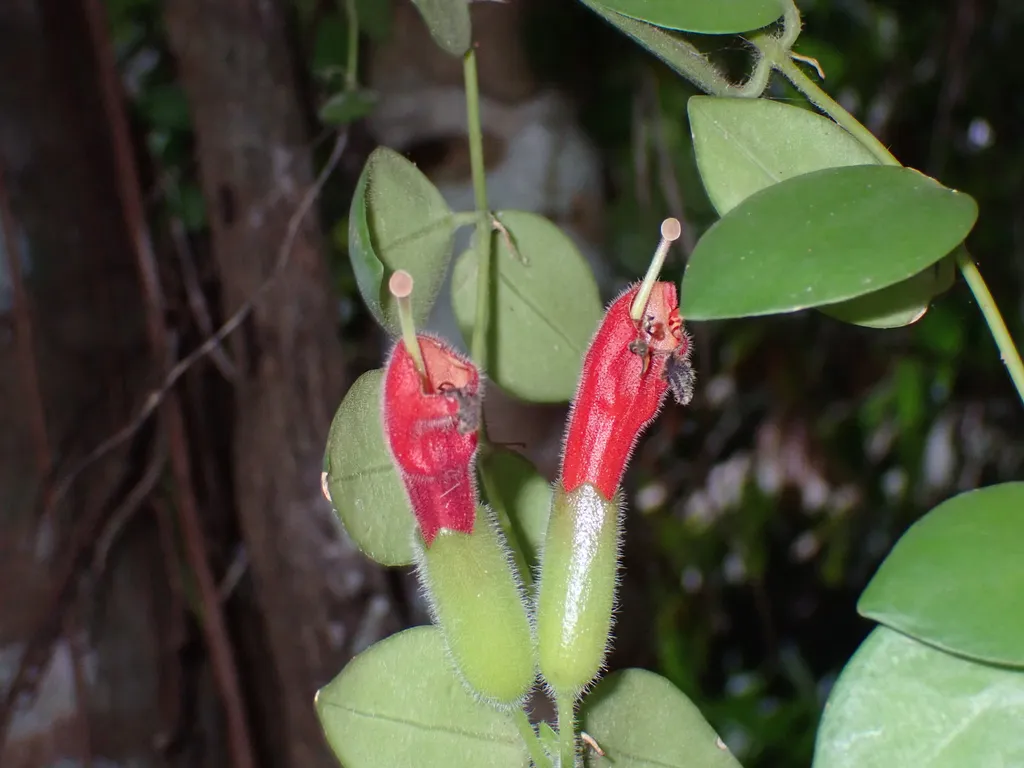
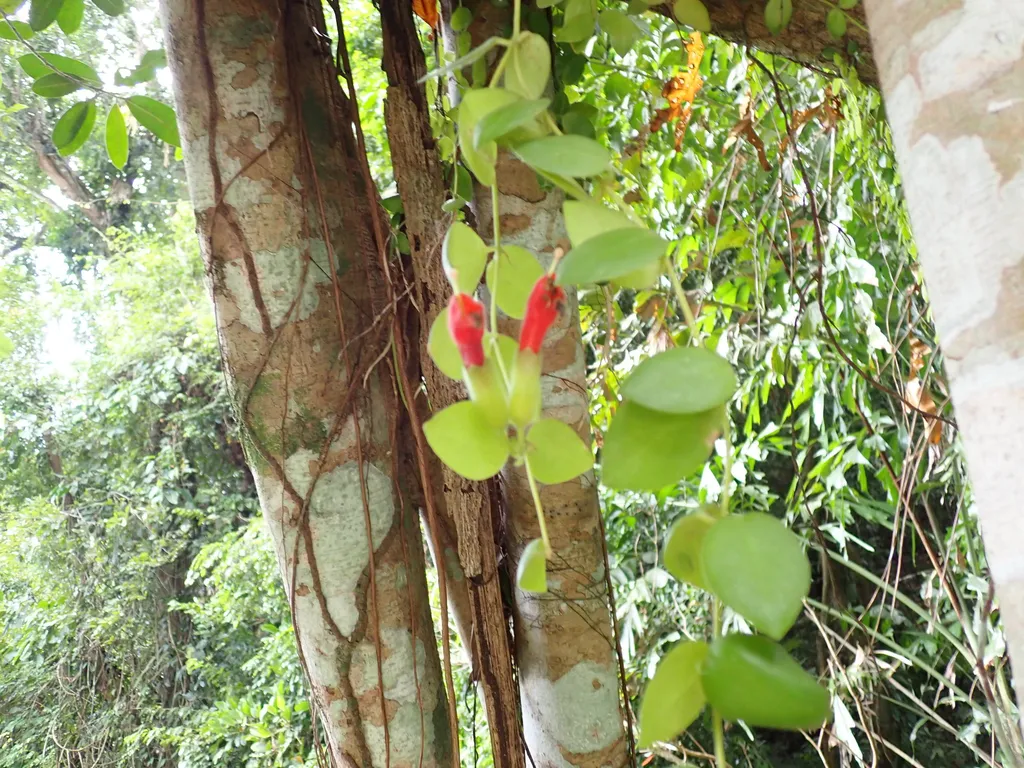
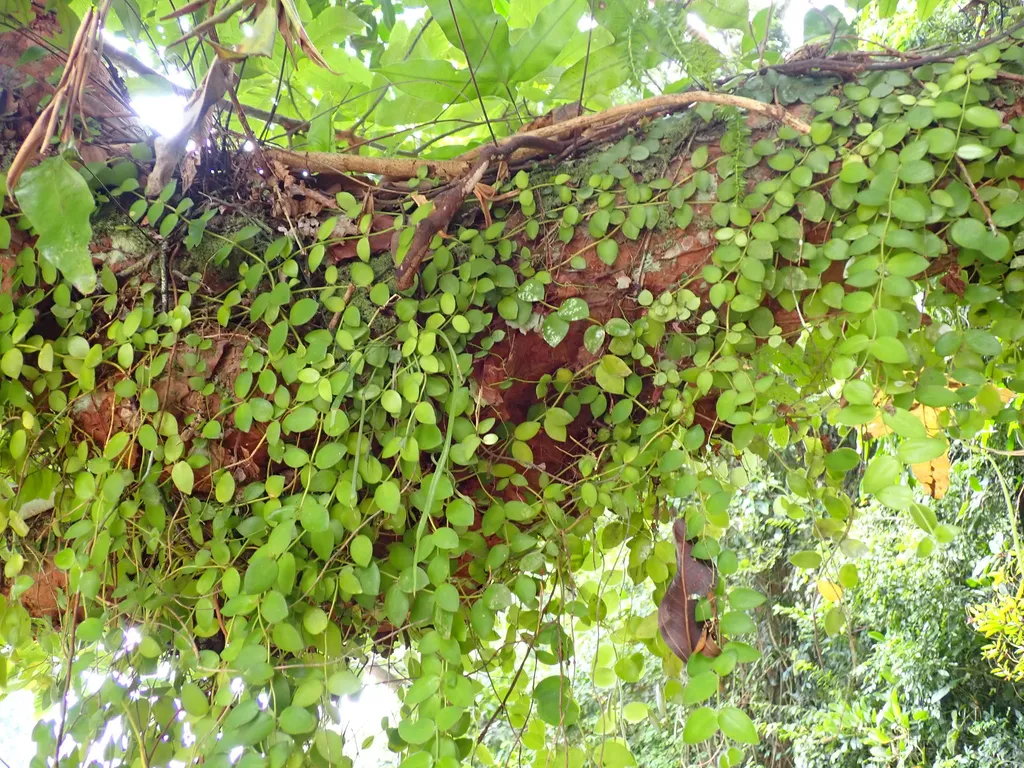
| Care difficulty | 3 / 5 |
|---|---|
| Watering schedule | Moderate regular watering, allowing brief slight drying between soakings |
| Sunlight requirements | Full sun · Partial shade |
| Ideal temperature | 18 – 27 °C |
| Soil type | Loam · Sand |
| Soil pH | Acid · Alkaline · Neutral |
| Soil moisture | Moist but well drained |
| Fertilizing | Balanced perennial feed every four weeks from spring through summer |
| Toxicity | Information to be completed |
How to Water lipstick plant?
Originating from the humid tropics, lipstick plant thrives in environments that mimic its native moist conditions. This species is known for its preference for consistent humidity and moderate drought tolerance. For optimal health, it requires watering every week. As an epiphytic plant often found in the canopies of rainforests, lipstick plant excels indoors where controlled watering can prevent root rot—a common issue when moisture levels are excessive. Given its tropical nature, lipstick plant flourishes with higher humidity levels, making it ideal for bright bathrooms where frequent water vapor helps maintain the desired ambience.
Learn more →What Are the Sunlight Requirements for lipstick plant?
Lipstick plant thrives best in bright, indirect light, which facilitates its growth and ensures vibrant foliage and flowering. While preferring partial sun, lipstick plant possesses a notable tolerance for full sun, although prolonged exposure can result in leaf scorch or faded colors. The plant adapts by possibly altering leaf pigmentation to protect itself under intense light. For indoor growth, placing lipstick plant near east or west-facing windows provides ideal light conditions. When grown outdoors, lipstick plant is best suited for locations that receive filtered sunlight, avoiding the harsh midday sun.
Learn more →What Is the Ideal Temperature Range for lipstick plant?

Lipstick plant exhibits moderate resilience to temperature variations, tolerating temperatures as low as 5℃ (41℉) and as high as 43℃ (109℉). Its sensitivity to extreme cold mandates protection during frosty conditions, such as moving the plant indoors or providing insulation. Symptoms of overcooling include wilting, leaf drop, and discoloration, while overheating can cause leaf scorch and stunted growth. To counteract these issues, ensure adequate shading during heatwaves and maintain indoor temperatures during cold spells. These tolerance ranges make lipstick plant suitable for environments with moderate and stable climates, but extra care is needed during seasonal extremes.
Learn more →What Soil Is Best for lipstick plant?
Lipstick plant thrives in well-draining soil to prevent root rot. A recommended soil mix consists of 1 part peat, 1 part pine bark, and 1 part perlite or pumice for aeration. If perlite is unavailable, coarse sand is a good substitute. To ensure good drainage, consider adding a layer of gravel at the bottom of the pot. For better growth, incorporate slow-release fertilizer at the beginning of the growing season or use a liquid fertilizer monthly.
- Soil type
- Loam · Sand
- Soil pH
- Acid · Alkaline · Neutral
What Are the Moisture Requirements for lipstick plant?
Moist but well drained
Learn more →How to Fertilize lipstick plant?

For lipstick plant, use high nitrogen fertilizers to promote lush foliage and support its vibrant blooms. Apply monthly during spring and summer, and bi-monthly in fall and winter at half-strength. Over-fertilization can cause root burn, so adhere to recommended quantities. As growth slows in winter, reduce frequency to prevent nutrient build-up. Regular fertilization helps maintain lipstick plant's vigor and flowering potential, ensuring a healthy display. When fertilizing, water lipstick plant first to aid in nutrient absorption and minimize root shock.
Learn more →How to Prune lipstick plant?

Lipstick plant, known for its vibrant flowers, requires pruning in early spring to promote healthy growth and abundant blooms. Remove dead or diseased stems, and trim leggy growth to maintain a bushy appearance. Pruning also helps in shaping and controlling the plant's size. Clean cuts encourage better air circulation, reducing the risk of fungal infections. Regular pruning not only enhances ornamental appeal but also boosts the plant's vigor and longevity.
Learn more →How to Propagate lipstick plant?

This vibrant epiphyte, best known for its brightly colored blooms resembling a tube of lipstick, thrives under high humidity and bright, indirect light, characteristics inherent to its origin. Propagation is commonly achieved via stem cuttings, ensuring segments have at least a couple of leaf nodes. Cut below a node, and for improved results, dip the end in rooting hormone. Plant the cuttings in a well-draining medium and maintain consistent moisture without overwatering. A warm environment supports root development. Semi-ripe cuttings are ideal, taken when the stems are not overly mature but have sufficient growth.
Learn more →How to Transplant lipstick plant?
The optimal time to transplant lipstick plant is during the warm embrace of late spring through mid-summer, which allows their roots to establish in mild temperatures. Ensure a bright, indirect light location for thriving growth, and handle with care to prevent stress.
Learn more →How to Care for lipstick plant in Winter?

Lipstick plant thrives in humid and warm climates, hailing from the tropics of Southeast Asia where winter barely makes a dent. Naturally, its need for a warm environment means gardeners must bring it indoors during chilly winters. Ensuring adequate humidity is key, with misting and showering as viable options. To mimic its natural setting, keep lipstick plant in a well-lit room but shielded from harsh direct light. Remember to cut waterings back to prevent root rot.
Learn more →How to Plant lipstick plant?
Indoors-potted: In an indoor setting, lipstick plant thrives with stable temperatures and benefits from a secure support to encourage its vining habit. Outdoors-potted: When potted outdoors, lipstick plant enjoys the freedom for its trailing vines to cascade, adding dimension to balconies or patios. Outdoors-in the ground: Planted in the garden, lipstick plant requires well-draining spots and may need shelter from intense midday heat.
Learn more →How to Repot lipstick plant?
Repot lipstick plant every 2-3 years in spring, when its vibrant trailing vines show reduced growth, indicating a root-bound pot. Select a slightly larger container with good drainage to encourage its climbing habit. After repotting, place lipstick plant in bright, indirect light and maintain consistent moisture without overwatering. This ensures the signature blooms of lipstick plant continue to flourish and the plant remains healthy.
Learn more →How to Harvest lipstick plant?

Information to be completed
Learn more →Common Pests & Diseases

Diseases
Generally disease-free
Pests
May be susceptible to aphids and mealybugs
Explore the plant health library →The Toxicity of lipstick plant
Information to be completed