



Planting and Growing leptinella

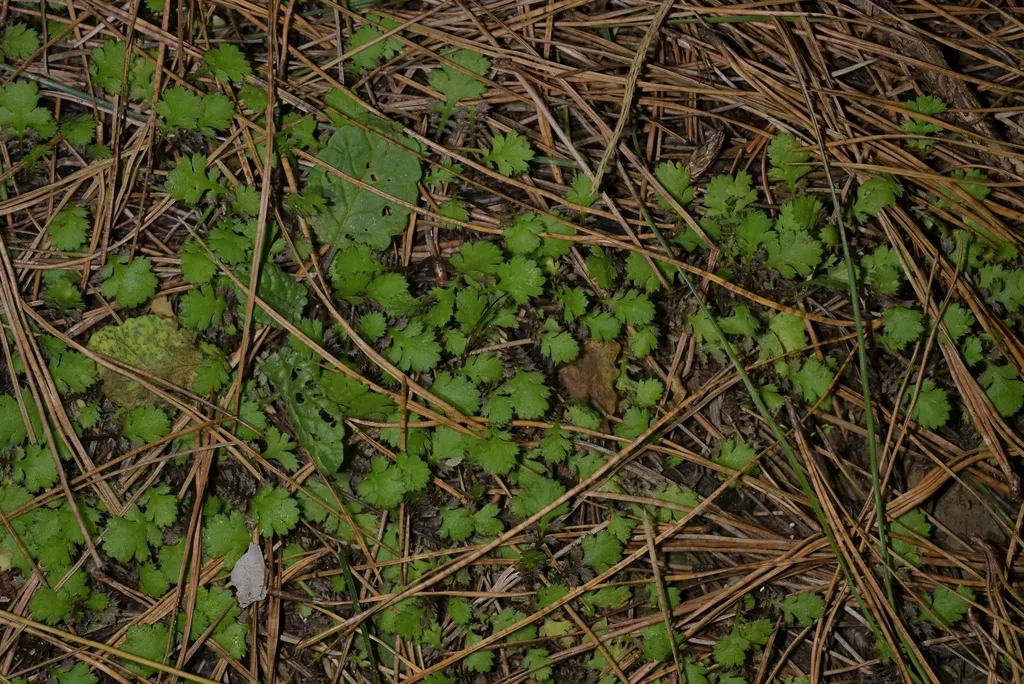
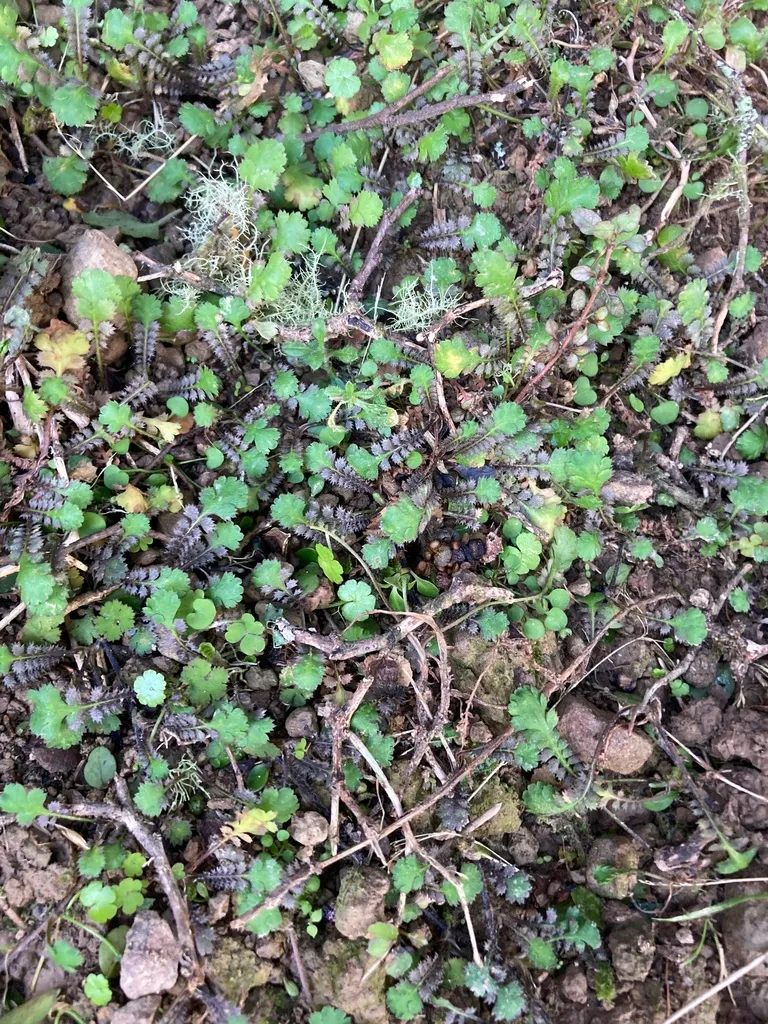
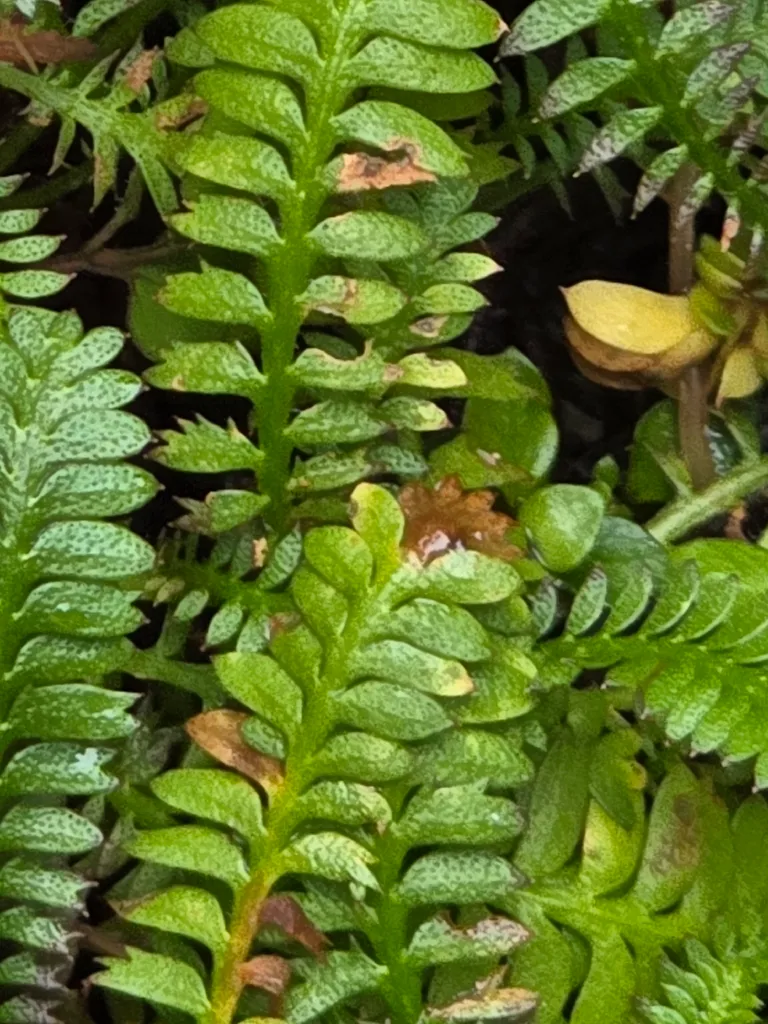
| Care difficulty | 3 / 5 |
|---|---|
| Watering schedule | Moderate regular watering, allowing brief slight drying between soakings |
| Sunlight requirements | Full sun · Partial shade |
| Ideal temperature | Information to be completed |
| Soil type | Chalk · Clay · Loam · Sand |
| Soil pH | Acid · Alkaline · Neutral |
| Soil moisture | Moist but well drained |
| Fertilizing | Balanced perennial feed every four weeks from spring through summer |
| Toxicity | Information to be completed |
How to Water leptinella?
Moderate regular watering, allowing brief slight drying between soakings
Learn more →What Are the Sunlight Requirements for leptinella?
Full sun · Partial shade
Learn more →What Soil Is Best for leptinella?
- Soil type
- Chalk · Clay · Loam · Sand
- Soil pH
- Acid · Alkaline · Neutral
What Are the Moisture Requirements for leptinella?
Moist but well drained
Learn more →How to Fertilize leptinella?

Balanced perennial feed every four weeks from spring through summer
Learn more →How to Prune leptinella?

No pruning required
Learn more →How to Propagate leptinella?

Propagate by seed or by division in spring; spreads naturally by rhizomes, so sections can easily be detached and replanted
Learn more →How to Plant leptinella?
Thrives in well-drained soil that does not dry out; position in full sun in cooler areas, or in part shade in warmer areas. An unusual ground cover for containers, or small spaces like crevices between flagstones, but aggressive spreading means it has potential to become a nuisance in more open spaces
Learn more →Common Pests & Diseases

Diseases
Generally disease-free
Pests
Generally pest-free
Explore the plant health library →