



Planting and Growing beautiful spiny mutisia

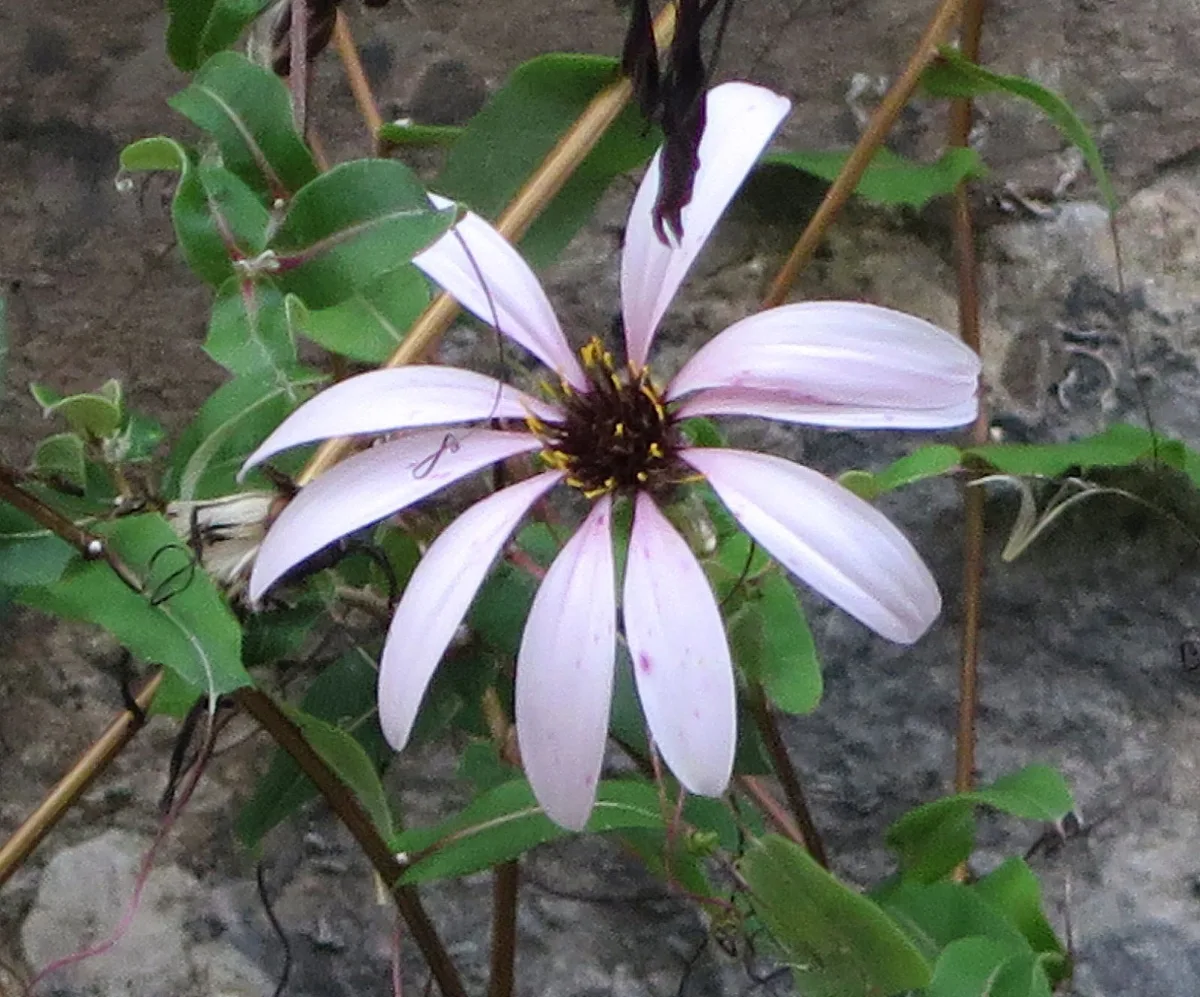
| Care difficulty | 3 / 5 |
|---|---|
| Watering schedule | Moderate regular watering, allowing brief slight drying between soakings |
| Sunlight requirements | Full sun · Partial shade |
| Ideal temperature | Information to be completed |
| Soil type | Chalk · Clay · Loam · Sand |
| Soil pH | Acid · Alkaline · Neutral |
| Soil moisture | Moist but well drained |
| Fertilizing | Balanced perennial feed every four weeks from spring through summer |
| Toxicity | Information to be completed |
How to Water beautiful spiny mutisia?
Moderate regular watering, allowing brief slight drying between soakings
Learn more →What Are the Sunlight Requirements for beautiful spiny mutisia?
Full sun · Partial shade
Learn more →What Soil Is Best for beautiful spiny mutisia?
- Soil type
- Chalk · Clay · Loam · Sand
- Soil pH
- Acid · Alkaline · Neutral
What Are the Moisture Requirements for beautiful spiny mutisia?
Moist but well drained
Learn more →How to Fertilize beautiful spiny mutisia?

Balanced perennial feed every four weeks from spring through summer
Learn more →How to Prune beautiful spiny mutisia?

Routine pruning is unnecessary; shorten overlong shoots to fit the available space. For last-year flowering growth, prune after flowering; for current-year flowering growth, prune in late winter or spring. This guidance is for established plants.
Learn more →How to Propagate beautiful spiny mutisia?

Propagate from cuttings (climbers), taking stem-tip cuttings in late spring or summer. It is also possible to propagate by seed, though germination can be erratic, or by layering in autumn
Learn more →How to Plant beautiful spiny mutisia?
In warm, frost-free regions, may be grown outdoors in moist but well-drained soil, in full sun with protection from cold, drying winds and excess winter wet. Train through shrubs or against a warm wall. In areas prone to frost, grow under glass in loam-based compost, in bright filtered light or with shade from hot sun. Keep roots cool and moist.
Learn more →Common Pests & Diseases

Diseases
Generally disease-free
Pests
Generally pest-free
Explore the plant health library →