



Planting and Growing grassy bells

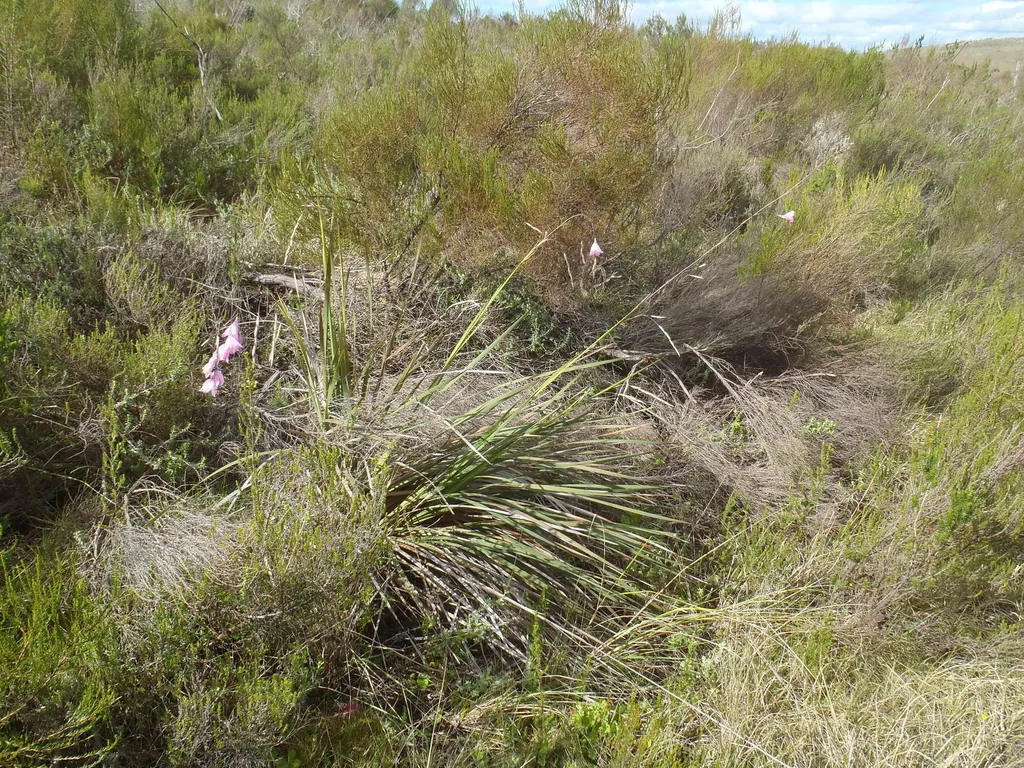
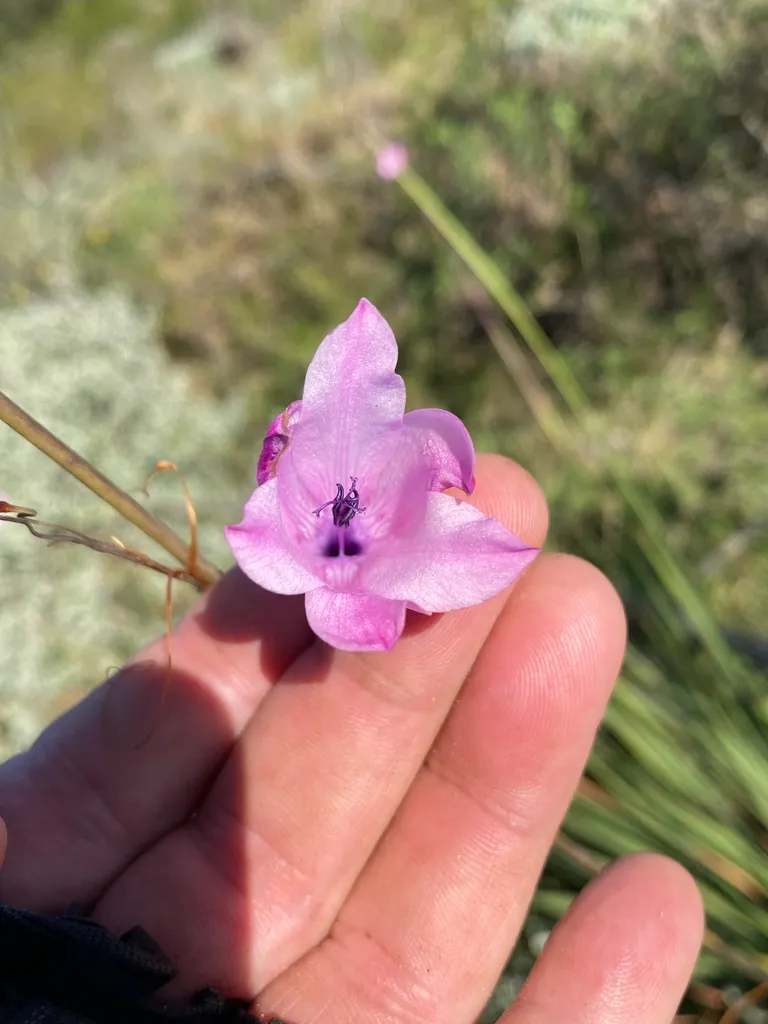
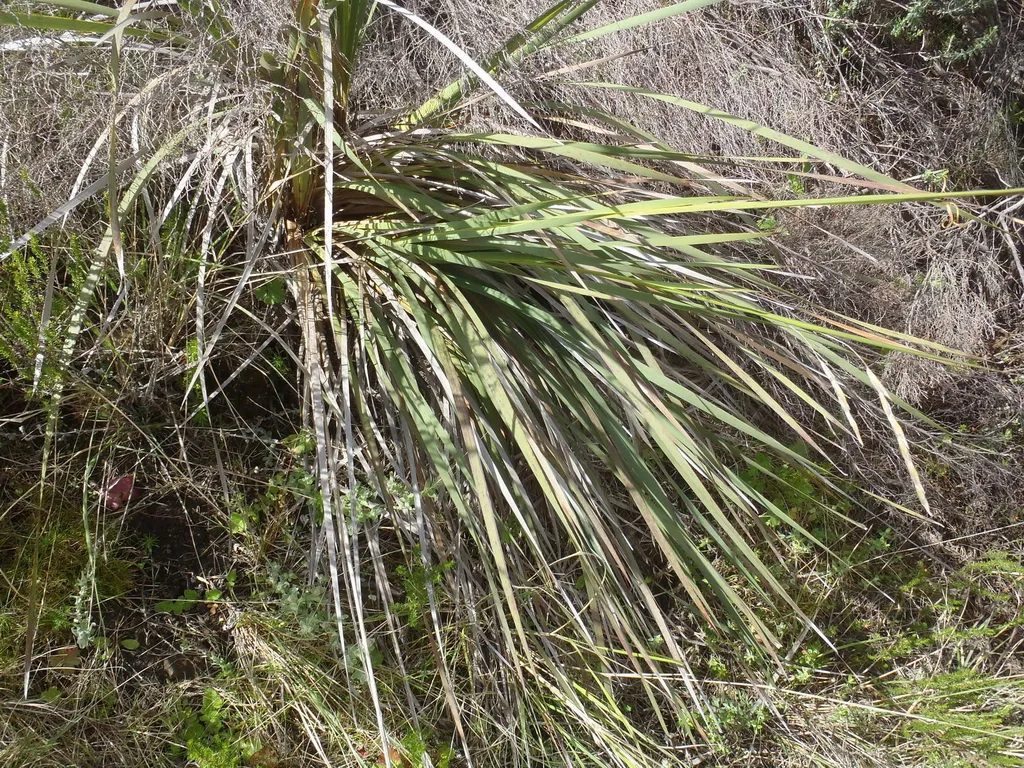
| Care difficulty | 3 / 5 |
|---|---|
| Watering schedule | Water regularly in growth but ensure sharp drainage |
| Sunlight requirements | Full sun |
| Ideal temperature | Information to be completed |
| Soil type | Chalk · Loam · Sand |
| Soil pH | Acid · Alkaline · Neutral |
| Soil moisture | Well drained |
| Fertilizing | Light balanced feed in spring and early summer |
| Toxicity | Information to be completed |
How to Water grassy bells?
Water regularly in growth but ensure sharp drainage
Learn more →What Are the Sunlight Requirements for grassy bells?
Full sun
Learn more →What Is the Ideal Temperature Range for grassy bells?

Information to be completed
Learn more →What Soil Is Best for grassy bells?
- Soil type
- Chalk · Loam · Sand
- Soil pH
- Acid · Alkaline · Neutral
What Are the Moisture Requirements for grassy bells?
Well drained
Learn more →How to Fertilize grassy bells?

Light balanced feed in spring and early summer
Learn more →How to Prune grassy bells?

Tidy any winter-damaged foliage by cutting to the base in spring
Learn more →How to Propagate grassy bells?

Propagate by seed in containers in a cold frame as soon as ripe. They may resent disturbance so leave until really congested before division of clumps in spring. Do not allow the corms to dry out. They may take 1-2 years to flower freely again
Learn more →How to Transplant grassy bells?
Information to be completed
Learn more →How to Care for grassy bells in Winter?

Information to be completed
Learn more →How to Plant grassy bells?
Grow in humus-rich, well-drained soil in a sheltered situation with full sun
Learn more →How to Repot grassy bells?
Information to be completed
Learn more →How to Harvest grassy bells?

Information to be completed
Learn more →Common Pests & Diseases

Diseases
Generally trouble free
Pests
Generally trouble free
Explore the plant health library →The Toxicity of grassy bells
Information to be completed