



Planting and Growing urn plant

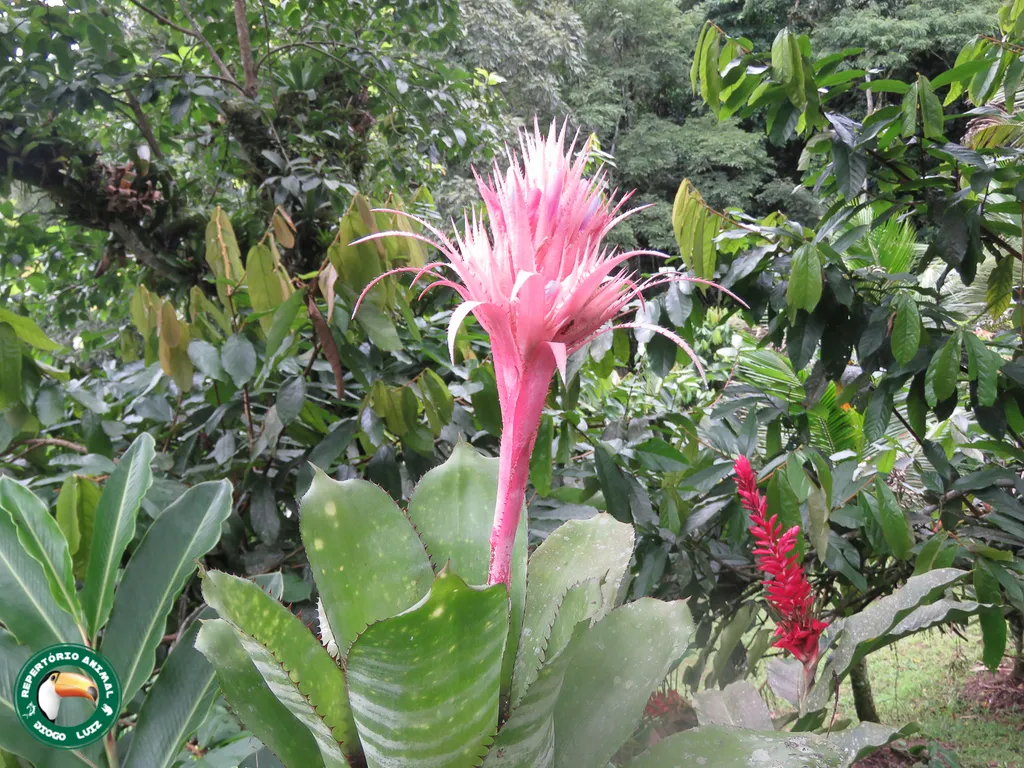
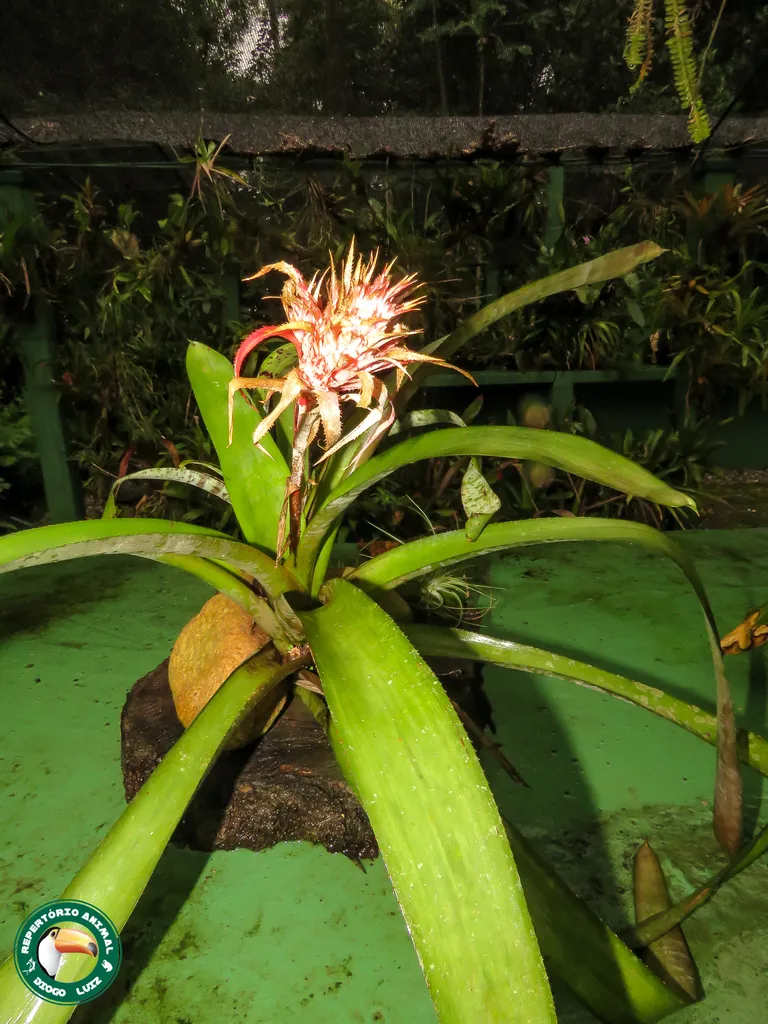
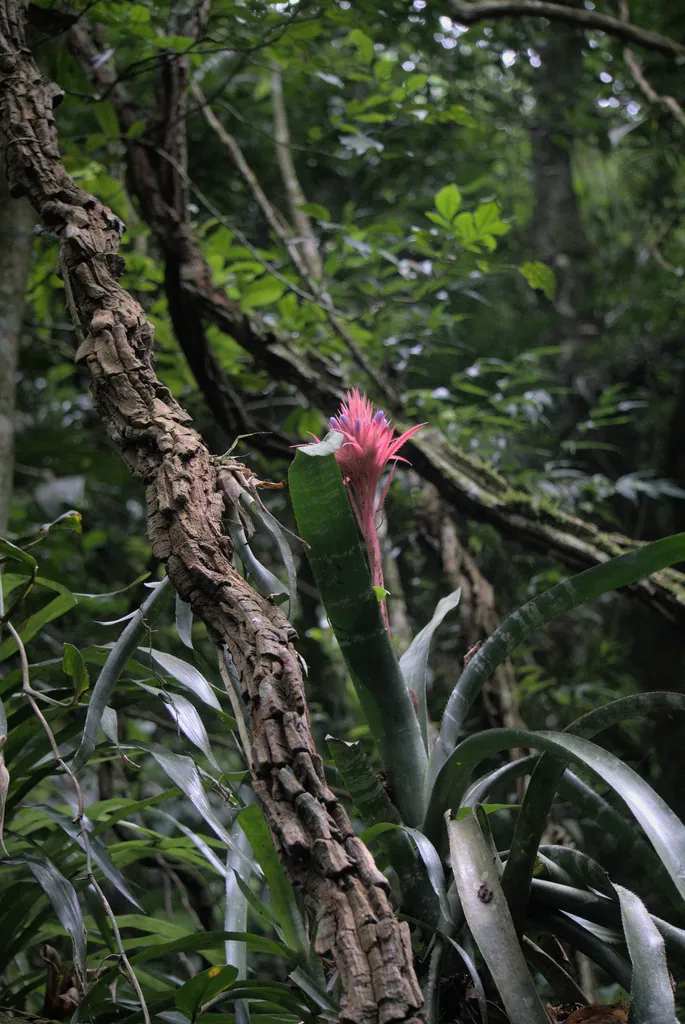
| Care difficulty | 3 / 5 |
|---|---|
| Watering schedule | Fill central leaf cup constantly, lightly moisten surrounding substrate |
| Sunlight requirements | Partial shade |
| Ideal temperature | 18 – 27 °C |
| Soil type | Loam · Sand |
| Soil pH | Acid · Alkaline |
| Soil moisture | Moist but well drained |
| Fertilizing | Weak bromeliad nutrient solution monthly warm growth months |
| Toxicity | Information to be completed |
How to Water urn plant?
Originating from the humid environments of Brazil, urn plant thrives in moisture-rich conditions, indicative of its preference for consistent humidity. This species is moderately drought-tolerant, yet it flourishes when its soil's moisture is balanced—not too wet and not too dry. Watering every week will sustain its lush appearance and health. Typically grown indoors due to its ornamental value, urn plant benefits greatly from a pebble tray filled with water to increase ambient humidity, which mimics its tropical origins and supports vibrant flowering.
Learn more →What Are the Sunlight Requirements for urn plant?
Urn plant thrives in partial sun, receiving bright but indirect light for optimal growth and flowering. It tolerates full shade, though too little light may result in leggy growth and reduced blooming. Adaptable in nature, urn plant can adjust its leaves to maximize light absorption and might exhibit deeper leaf coloration in brighter environments. Indoors, urn plant should be placed near east or south-facing windows for the best light conditions. Outdoors, a spot under a canopy that provides dappled sunlight is ideal. Consistent exposure to appropriate light is key for this plant's vitality and distinct flower production.
Learn more →What Is the Ideal Temperature Range for urn plant?

Urn plant exhibits significant adaptability to temperature variations, tolerating cold as low as 5℃ (41℉) and heat up to 45℃ (113℉). This resilience means urn plant can endure occasional temperature extremes, but optimal care is still crucial. During colder periods, protect urn plant by moving it indoors or providing a heat source. Symptoms of overcooling include leaf discoloration and slowed growth, while excessive heat can cause wilting and leaf burn. To mitigate these, ensure adequate hydration and shading during hot weather, and use frost covers or similar measures in cold conditions. This adaptability makes urn plant suitable for diverse environments, provided it's shielded from prolonged extreme temperatures.
Learn more →What Soil Is Best for urn plant?
Urn plant thrives in well-draining soil, paramount to avoid root rot. A suitable soil mix includes equal parts sphagnum peat, pine bark, and perlite. If pine bark is unavailable, cocopeat can substitute. To enhance drainage, add coarse sand or gravel to the bottom of the pot. Seasonal addition of a balanced, slow-release fertilizer will support urn plant's growth. Remember to keep the mix loose to allow for proper air passage to the roots.
- Soil type
- Loam · Sand
- Soil pH
- Acid · Alkaline
What Are the Moisture Requirements for urn plant?
Moist but well drained
Learn more →How to Fertilize urn plant?

Fertilize urn plant monthly with high phosphorus fertilizer during the growing season, reducing to every other month in winter. Dilute to half strength, as excessive application can harm the roots. Benefits include robust foliage, vibrant blooms, and overall vitality. Avoid contact with the central water-holding cup to prevent rot. Monitor growth phases; young plants require less fertilizer. Utilize a well-balanced approach to maintain urn plant's splendid appearance.
Learn more →How to Prune urn plant?

Known for its rosette of silver-banded leaves and striking pink flower bracts, urn plant should be pruned in early spring or late winter. Remove dead or damaged leaves and spent flower stalks to promote healthy growth and improve airflow. Avoid over-pruning, as urn plant relies on its foliage for photosynthesis. Pruning encourages new offsets, enhancing the plant's aesthetics and vitality. For best results, use clean, sharp tools to prevent disease transmission.
Learn more →How to Propagate urn plant?

The preferred propagation method for urn plant is division, ideally during Spring or Autumn. The plant's propagation difficulty is moderate. Successful propagation is indicated by new shoot formation. Maintain high humidity for best results.
Learn more →How to Transplant urn plant?
The perfect time to transplant urn plant is from late spring to late summer, as it allows the plant to establish roots before cooler temperatures set in. Ensure a well-draining location with indirect light. If needed, provide extra humidity to help urn plant thrive during transplantation.
Learn more →How to Care for urn plant in Winter?

Urn plant thrives in tropical climates with minimal winter conditions. Its natural resilience allows it to endure cooler temperatures, but it is not frost-tolerant. During winter, gardeners should keep urn plant in warm indoor spaces with bright, indirect light. Regular misting, while avoiding over-watering, will mimic its native humid conditions. Adequate winter care ensures urn plant's spectacular summer bloom!
Learn more →How to Plant urn plant?
Indoors-potted: In an indoor setting, urn plant thrives with high humidity; consider placing it near a humidifier or in a naturally steamy room like a bathroom. Outdoors-potted: Urn plant can be sensitive to cold temperatures when grown outdoors in pots; ensure protection from frost and provide some shade during the hottest part of the day. Outdoors-in the ground: When planted in the ground, urn plant requires well-draining soil to prevent root rot, which is common in wet conditions.
Learn more →How to Repot urn plant?
Repot urn plant every 2-3 years, as it's a slow-grower, reaching up to 18 inches. Best repotted after flowering, early spring preferred. Choose a shallow, wide pot to accommodate its growth. Post-repotting, keep urn plant in bright, indirect light with moderate watering to encourage recovery. A well-draining potting mix is essential for this robust, rosette-forming plant.
Learn more →Common Pests & Diseases

Diseases
Generally disease free
Pests
Can get scale insects and mealybugs
Explore the plant health library →Troubleshooting
Rotting Central Cup or Fading Bracts
urn plant (Aechmea fasciata) is a tropical bromeliad that forms a water-holding leaf rosette (or terrestrial rosette in Ananas); stagnant foul water in cool weather causes crown rot, while the colorful inflorescence naturally fades after one bloom cycle.
| What you notice | Possible explanation | What to check next |
|---|---|---|
| Central leaves loosen and rot at the base with a sour odor | Stagnant water left in the central cup during cool weather or waterlogged potting medium | Check whether the potting mix is soggy and whether room temperature has dropped |
| Showy pink/red bracts turn brown and dry after several months while green offsets emerge at the base | Natural monocarpic post-flowering senescence as the mother rosette produces pups | Inspect the base of the rosette for developing side pups |
- Grow in an open, fast-draining bromeliad or orchid-bark mix in a shallow container with drainage holes.
- Follow appropriate hydration: Fill central leaf cup constantly, lightly moisten surrounding substrate, flushing the central cup periodically with fresh rainwater or tepid soft water (for tank bromeliads like Aechmea) and emptying the cup in cool winter weather.
- Cut away the spent flower stalk cleanly once it fades and allow basal offsets (pups) to reach one-third to one-half parent size before dividing.
Avoid pouring concentrated fertilizer directly into the central leaf cup, which can burn tender tissues.
Scorched Leaf Tips or Scale/Mealybugs
Intense midday sun or hard mineral water can brown leaf tips, while scale insects and mealybugs shelter along leaf sheaths.
| What you notice | Possible explanation | What to check next |
|---|---|---|
| Bleached patches or dry brown tips on strap-shaped leaves | Direct midday sun scorch, dry air, or mineral buildup from hard tap water | Check window exposure and water source |
| Crusty brown scale bumps or white cottony tufts tucked along leaf bases | Sap-sucking pests (Can get scale insects and mealybugs) | Inspect leaf undersides and overlapping rosette sheaths |
- Provide partial shade and use rainwater or filtered water where tap water is hard.
- Isolate pest-infested plants and wipe scale or mealybugs away using rubbing alcohol on a cotton swab.
- Protect from frost and cold drafts below 10–15°C.
Wear gloves when handling spiny-edged leaves such as Aechmea fasciata or Ananas comosus.