



Planting and Growing furrowed wakerobin


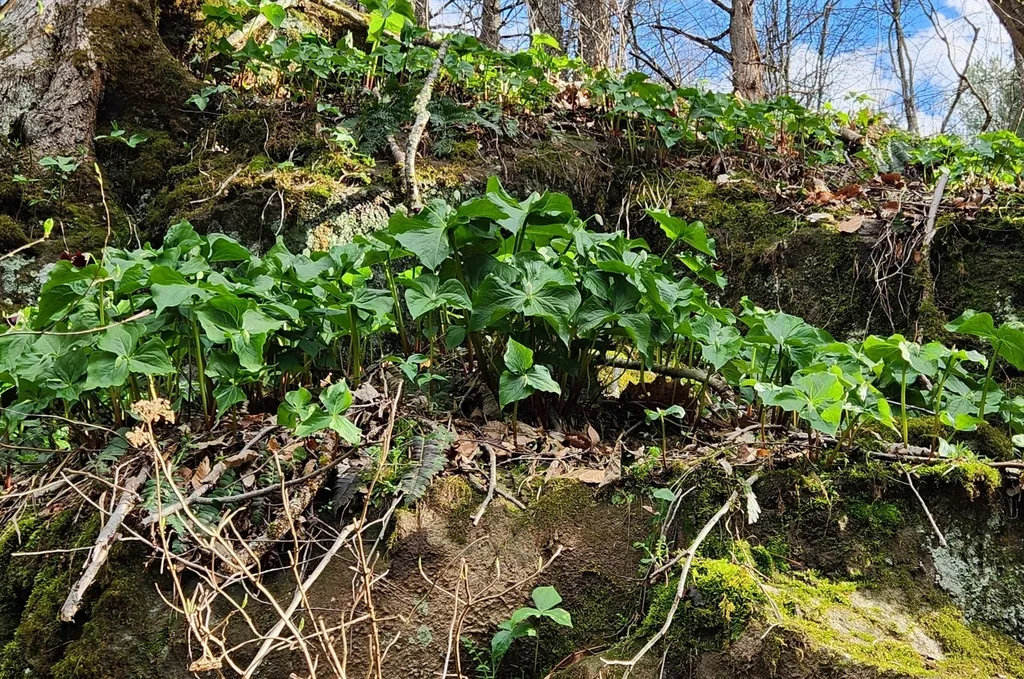

| Care difficulty | 3 / 5 |
|---|---|
| Watering schedule | Keep rich woodland soil evenly moist, never baking dry in summer |
| Sunlight requirements | Full shade · Partial shade |
| Ideal temperature | Information to be completed |
| Soil type | Clay · Loam |
| Soil pH | Acid · Alkaline · Neutral |
| Soil moisture | Moist but well drained |
| Fertilizing | Light balanced feed monthly during spring and early summer growth |
| Toxicity | Information to be completed |
How to Water furrowed wakerobin?
Keep rich woodland soil evenly moist, never baking dry in summer
Learn more →What Are the Sunlight Requirements for furrowed wakerobin?
Full shade · Partial shade
Learn more →What Soil Is Best for furrowed wakerobin?
- Soil type
- Clay · Loam
- Soil pH
- Acid · Alkaline · Neutral
What Are the Moisture Requirements for furrowed wakerobin?
Moist but well drained
Learn more →How to Fertilize furrowed wakerobin?

Light balanced feed monthly during spring and early summer growth
Learn more →How to Prune furrowed wakerobin?

No pruning required
Learn more →How to Propagate furrowed wakerobin?

Propagate by seed, sown in pots in a shady cold frame as soon as seed is ripe; may take several years to reach flowering size. Propagate by division of rhizomes (root cuttings) after flowering
Learn more →How to Plant furrowed wakerobin?
Thrives in moist but well drained, humus rich, neutral to slightly acidic soil in light shade, though will tolerate full shade. Mulch annually in autumn, ideally with leaf mould. Ideal for woodland, or underplanting where they will not be overwhelmed by other plants. See trillium cultivation
Learn more →Common Pests & Diseases

Diseases
Generally disease-free
Pests
May be susceptible to aphids, slugs and snails
Explore the plant health library →