



Planting and Growing pittosporum 'Arundel Green'

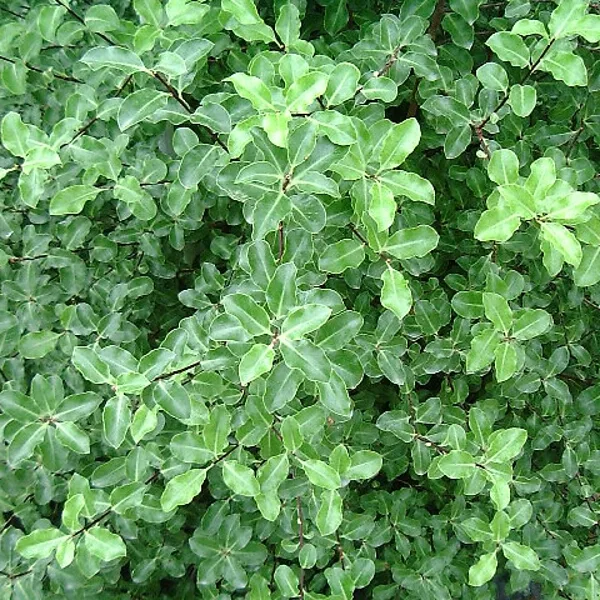
| Care difficulty | 2 / 5 |
|---|---|
| Watering schedule | Moderate regular watering, avoid prolonged drought and stagnant waterlogging |
| Sunlight requirements | Full sun · Partial shade |
| Ideal temperature | Information to be completed |
| Soil type | Chalk · Loam · Sand |
| Soil pH | Acid · Alkaline · Neutral |
| Soil moisture | Moist but well drained · Well drained |
| Fertilizing | Balanced perennial feed every four weeks spring through summer growth |
| Toxicity | Information to be completed |
How to Water pittosporum 'Arundel Green'?
Moderate regular watering, avoid prolonged drought and stagnant waterlogging
Learn more →What Are the Sunlight Requirements for pittosporum 'Arundel Green'?
Full sun · Partial shade
Learn more →What Soil Is Best for pittosporum 'Arundel Green'?
- Soil type
- Chalk · Loam · Sand
- Soil pH
- Acid · Alkaline · Neutral
What Are the Moisture Requirements for pittosporum 'Arundel Green'?
Moist but well drained · Well drained
Learn more →How to Fertilize pittosporum 'Arundel Green'?

Balanced perennial feed every four weeks spring through summer growth
Learn more →How to Prune pittosporum 'Arundel Green'?

Little pruning is needed. Remove diseased, damaged, crowded or crossing shoots and unwanted growth. Timing depends on the plant: generally late winter or early spring; plants prone to bleeding and deciduous magnolias need different timing, and deciduous azaleas and lilacs are pruned after flowering.
Learn more →How to Propagate pittosporum 'Arundel Green'?

Propagate by semi-hardwood cuttings in summer
Learn more →How to Plant pittosporum 'Arundel Green'?
Easy to grow in fertile, moist but well-drained, soil. May need protection in colder climes especially from cold, drying winds. Plant in full sun for the best leaf quality
Learn more →Common Pests & Diseases

Diseases
May be susceptible to powdery mildews, leafspot and honey fungus (rarely)
Pests
May be susceptible to glasshouse red spider mite, aphids, cushion scale and pittosporum sucker
Explore the plant health library →