



Planting and Growing Tulipa aximensis

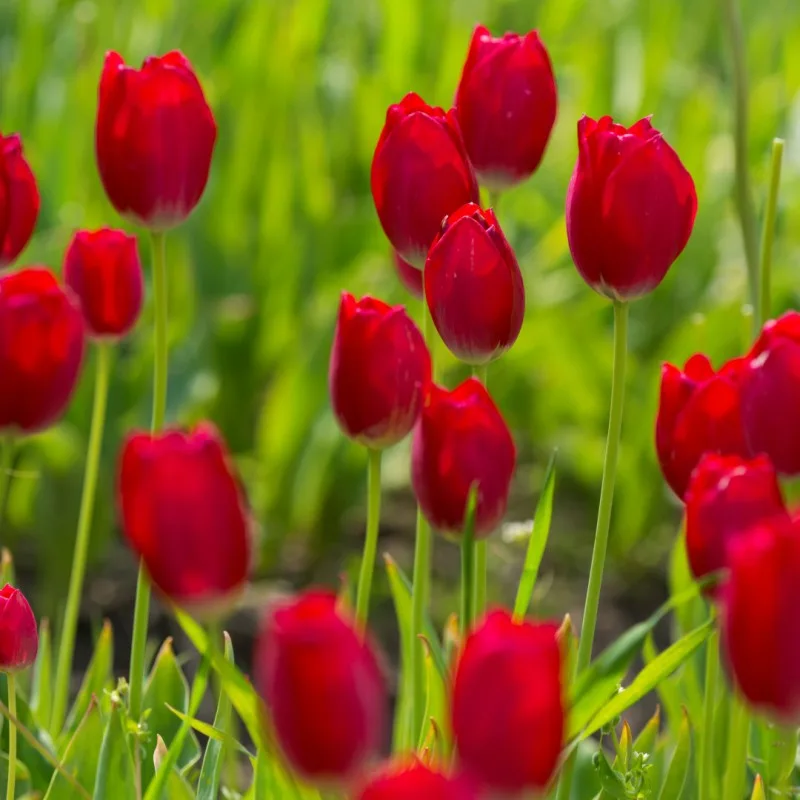
| Care difficulty | 2 / 5 |
|---|---|
| Watering schedule | Moist soil during active growth, then reduce watering after foliage yellows |
| Sunlight requirements | Full sun |
| Ideal temperature | Information to be completed |
| Soil type | Chalk · Clay · Loam · Sand |
| Soil pH | Acid · Alkaline · Neutral |
| Soil moisture | Well drained |
| Fertilizing | Light bulb fertilizer at emergence and again after flowering |
| Toxicity | Harmful if eaten, skin allergen. Wear gloves and other protective equipment when handling] |
How to Water Tulipa aximensis?
Moist soil during active growth, then reduce watering after foliage yellows
Learn more →What Are the Sunlight Requirements for Tulipa aximensis?
Full sun
Learn more →What Is the Ideal Temperature Range for Tulipa aximensis?

Information to be completed
Learn more →What Soil Is Best for Tulipa aximensis?
- Soil type
- Chalk · Clay · Loam · Sand
- Soil pH
- Acid · Alkaline · Neutral
What Are the Moisture Requirements for Tulipa aximensis?
Well drained
Learn more →How to Fertilize Tulipa aximensis?

Light bulb fertilizer at emergence and again after flowering
Learn more →How to Prune Tulipa aximensis?

Deadhead after flowering and remove fallen petals
Learn more →How to Propagate Tulipa aximensis?

Propagate by division, separating offsets in summer. See bulb propagation for more details
Learn more →How to Transplant Tulipa aximensis?
Information to be completed
Learn more →How to Care for Tulipa aximensis in Winter?

Information to be completed
Learn more →How to Plant Tulipa aximensis?
Plant in autumn, at a depth of 10-15cm (4-6in) in fertile, well-drained soil. Choose a sunny position, with protection from strong winds and excess winter wet. See tulip cultivation for more details
Learn more →How to Repot Tulipa aximensis?
Information to be completed
Learn more →How to Harvest Tulipa aximensis?

Information to be completed
Learn more →Common Pests & Diseases

Diseases
May be susceptible to tulip fire and bulb rot in poorly drained soil
Pests
May be susceptible to slugs, aphids and stem and bulb eelworm; squirrels may eat the bulbs
Explore the plant health library →The Toxicity of Tulipa aximensis
Harmful if eaten, skin allergen. Wear gloves and other protective equipment when handling]