



Planting and Growing Easter broom

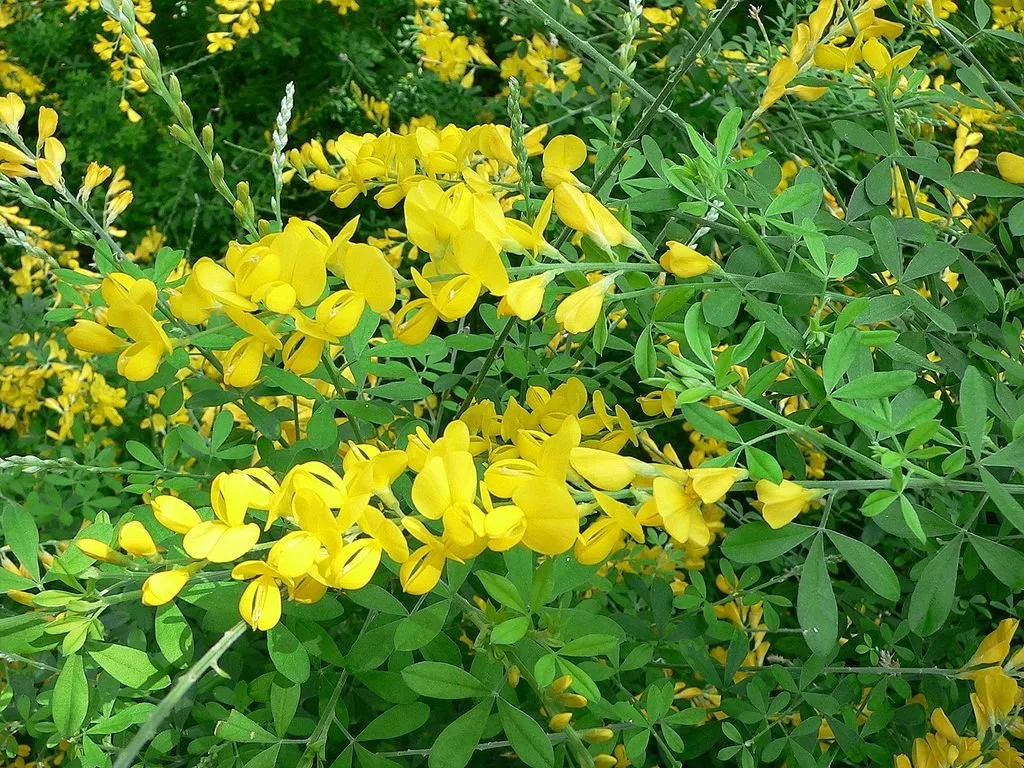
| Care difficulty | 3 / 5 |
|---|---|
| Watering schedule | Moderate regular watering, allowing brief slight drying between soakings |
| Sunlight requirements | Full sun |
| Ideal temperature | Information to be completed |
| Soil type | Loam · Sand |
| Soil pH | Acid · Neutral |
| Soil moisture | Well drained |
| Fertilizing | Balanced perennial feed every four weeks from spring through summer |
| Toxicity | Information to be completed |
How to Water Easter broom?
Moderate regular watering, allowing brief slight drying between soakings
Learn more →What Are the Sunlight Requirements for Easter broom?
Full sun
Learn more →What Soil Is Best for Easter broom?
- Soil type
- Loam · Sand
- Soil pH
- Acid · Neutral
What Are the Moisture Requirements for Easter broom?
Well drained
Learn more →How to Fertilize Easter broom?

Balanced perennial feed every four weeks from spring through summer
Learn more →How to Prune Easter broom?

Shorten flowered shoots to vigorous sideshoots; remove about a third of stems at ground level annually. Prune immediately after flowering.
Learn more →How to Propagate Easter broom?

Propagate by seed in containers in spring or take semi-ripe cuttings in late summer
Learn more →How to Plant Easter broom?
Grow in a cool greenhouse, conservatory or as a houseplant, in John Innes No 2 compost or equivalent. Can be placed outside for the summer months
Learn more →Common Pests & Diseases

Diseases
May be susceptible to honey fungus in gardens where it is present but insufficient data to determine degree of susceptibility
Pests
May be susceptible to aphids and gall mites
Explore the plant health library →