



Planting and Growing amberbell

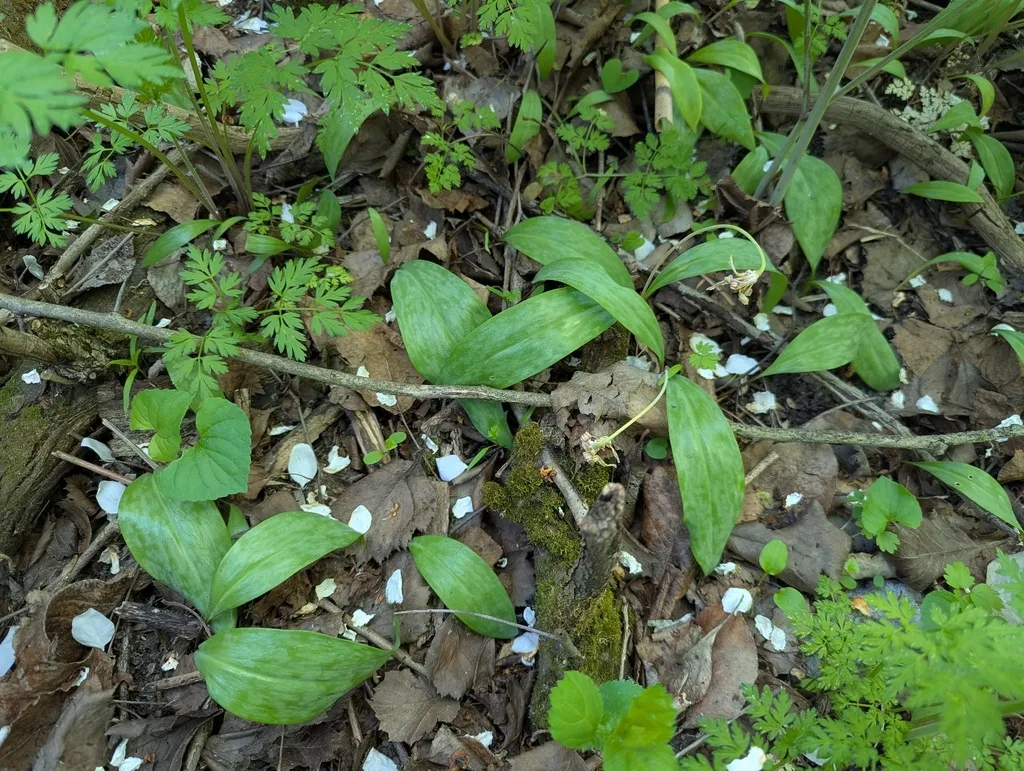
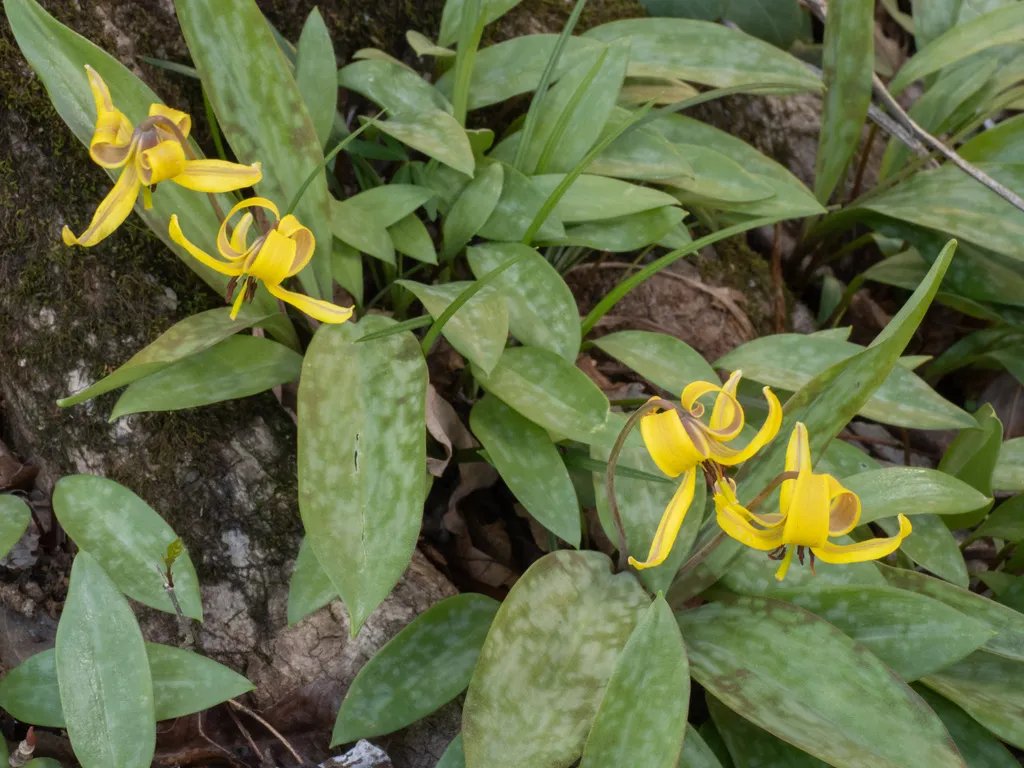
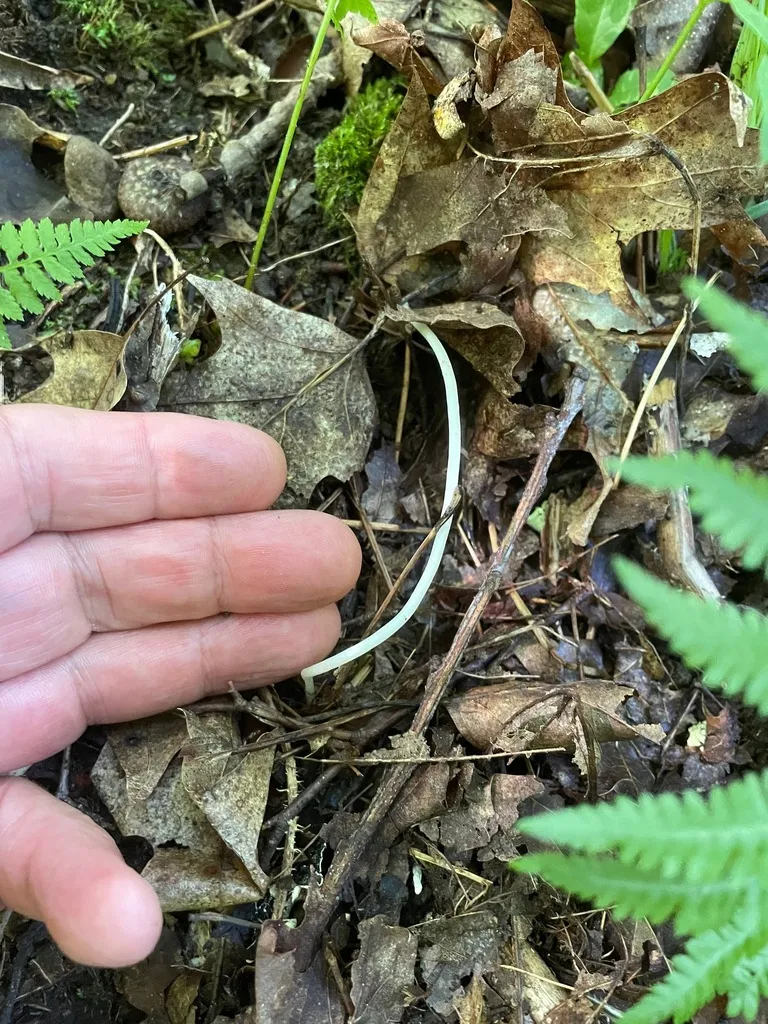
| Care difficulty | 3 / 5 |
|---|---|
| Watering schedule | Light regular watering, keeping acidic soil mildly moist and airy |
| Sunlight requirements | Partial shade |
| Ideal temperature | Information to be completed |
| Soil type | Chalk · Clay · Loam |
| Soil pH | Acid · Alkaline · Neutral |
| Soil moisture | Moist but well drained · Well drained |
| Fertilizing | Light heather feed every four weeks through mild growing weather |
| Toxicity | Ornamental bulbs - not to be eaten. Wear gloves and other protective equipment when handling |
How to Water amberbell?
Light regular watering, keeping acidic soil mildly moist and airy
Learn more →What Are the Sunlight Requirements for amberbell?
Partial shade
Learn more →What Soil Is Best for amberbell?
- Soil type
- Chalk · Clay · Loam
- Soil pH
- Acid · Alkaline · Neutral
What Are the Moisture Requirements for amberbell?
Moist but well drained · Well drained
Learn more →How to Fertilize amberbell?

Light heather feed every four weeks through mild growing weather
Learn more →How to Prune amberbell?

No pruning required
Learn more →How to Propagate amberbell?

Propagate by division of established clumps, after flowering. Plants dislike disturbance and may take time to re-establish
Learn more →How to Plant amberbell?
Grow in light or dappled shade, in fertile, humus-rich, well-drained soil that does not dry out in summer. Bulbs must be kept slightly damp until planted, and planted at least 10cm deep in late summer or early autumn. Well suited to woodland planting. See bulb cultivation
Learn more →Common Pests & Diseases

Diseases
Generally disease-free
Pests
May be susceptible to slugs
Explore the plant health library →The Toxicity of amberbell
Ornamental bulbs - not to be eaten. Wear gloves and other protective equipment when handling