



Planting and Growing Bailey's Himalayan blue poppy

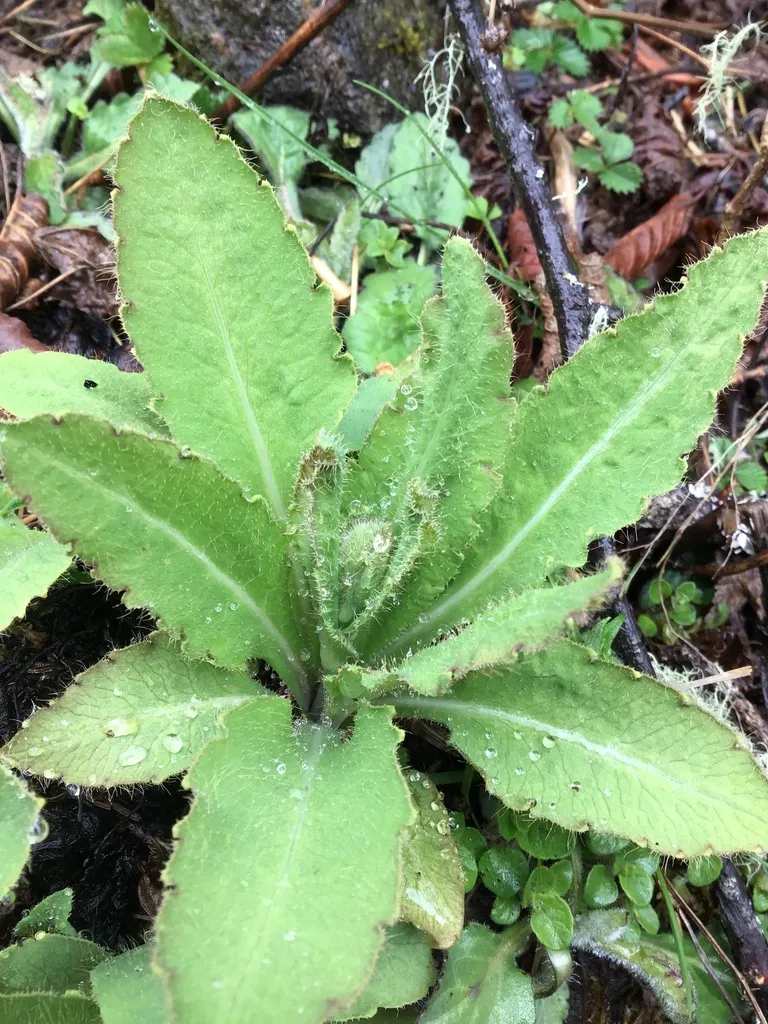
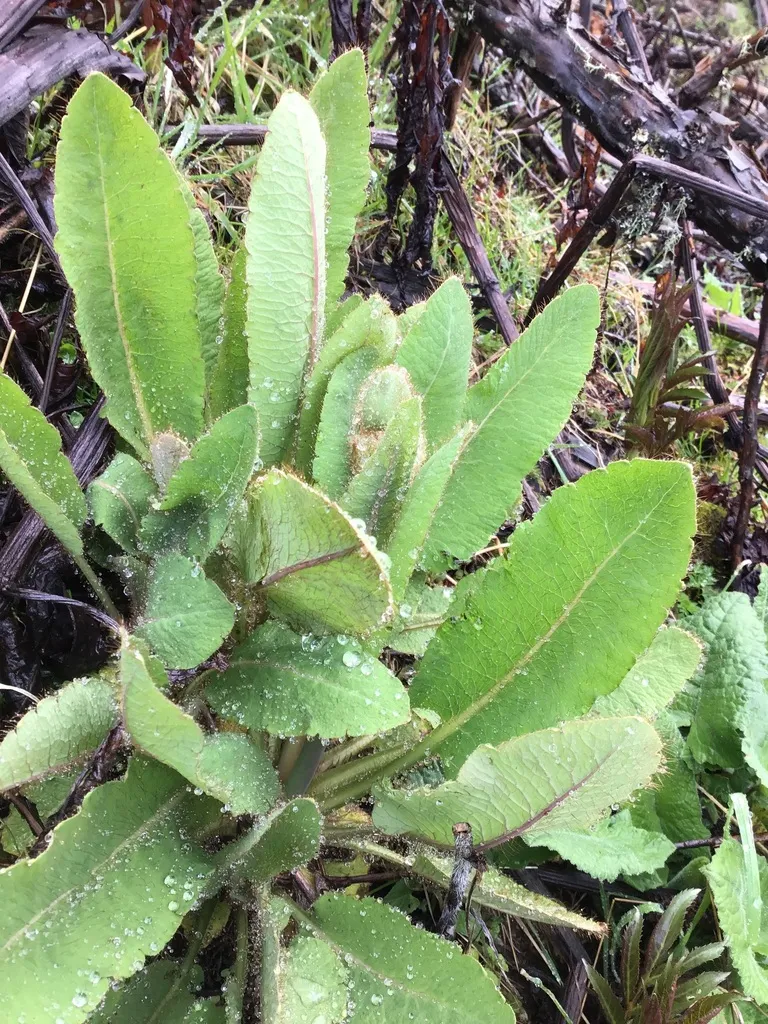
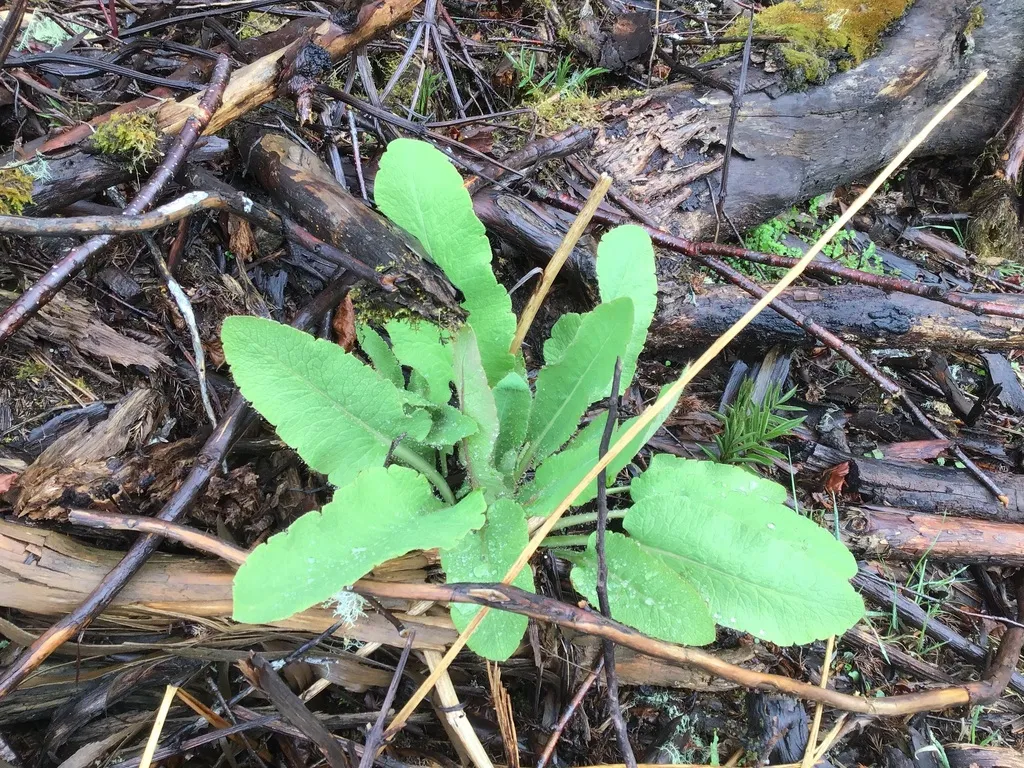
| Care difficulty | 4 / 5 |
|---|---|
| Watering schedule | Moderate regular watering, allowing brief slight drying between soakings |
| Sunlight requirements | Partial shade |
| Ideal temperature | Information to be completed |
| Soil type | Clay · Loam |
| Soil pH | Acid · Neutral |
| Soil moisture | Moist but well drained |
| Fertilizing | Balanced perennial feed every four weeks from spring through summer |
| Toxicity | Information to be completed |
How to Water Bailey's Himalayan blue poppy?
Moderate regular watering, allowing brief slight drying between soakings
Learn more →What Are the Sunlight Requirements for Bailey's Himalayan blue poppy?
Partial shade
Learn more →What Is the Ideal Temperature Range for Bailey's Himalayan blue poppy?

Information to be completed
Learn more →What Soil Is Best for Bailey's Himalayan blue poppy?
- Soil type
- Clay · Loam
- Soil pH
- Acid · Neutral
What Are the Moisture Requirements for Bailey's Himalayan blue poppy?
Moist but well drained
Learn more →How to Fertilize Bailey's Himalayan blue poppy?

Balanced perennial feed every four weeks from spring through summer
Learn more →How to Prune Bailey's Himalayan blue poppy?

Cut down to the base in late autumn
Learn more →How to Propagate Bailey's Himalayan blue poppy?

Propagate by seed or by division after flowering but can be short-lived
Learn more →How to Transplant Bailey's Himalayan blue poppy?
Information to be completed
Learn more →How to Care for Bailey's Himalayan blue poppy in Winter?

Information to be completed
Learn more →How to Plant Bailey's Himalayan blue poppy?
Only suitable for particular sites: the soil needs to be neutral to slightly acid, moist but well-drained and enriched with leaf mould or humus to prevent stagnation; in a partially shaded site with shelter from cold, dry winds. Thrives in areas with cool damp summers
Learn more →How to Repot Bailey's Himalayan blue poppy?
Information to be completed
Learn more →How to Harvest Bailey's Himalayan blue poppy?

Information to be completed
Learn more →Common Pests & Diseases

Diseases
May be affected by a downy mildew
Pests
May be attacked by slugs and snails
Explore the plant health library →The Toxicity of Bailey's Himalayan blue poppy
Information to be completed