



Planting and Growing tulip 'Blue Parrot'

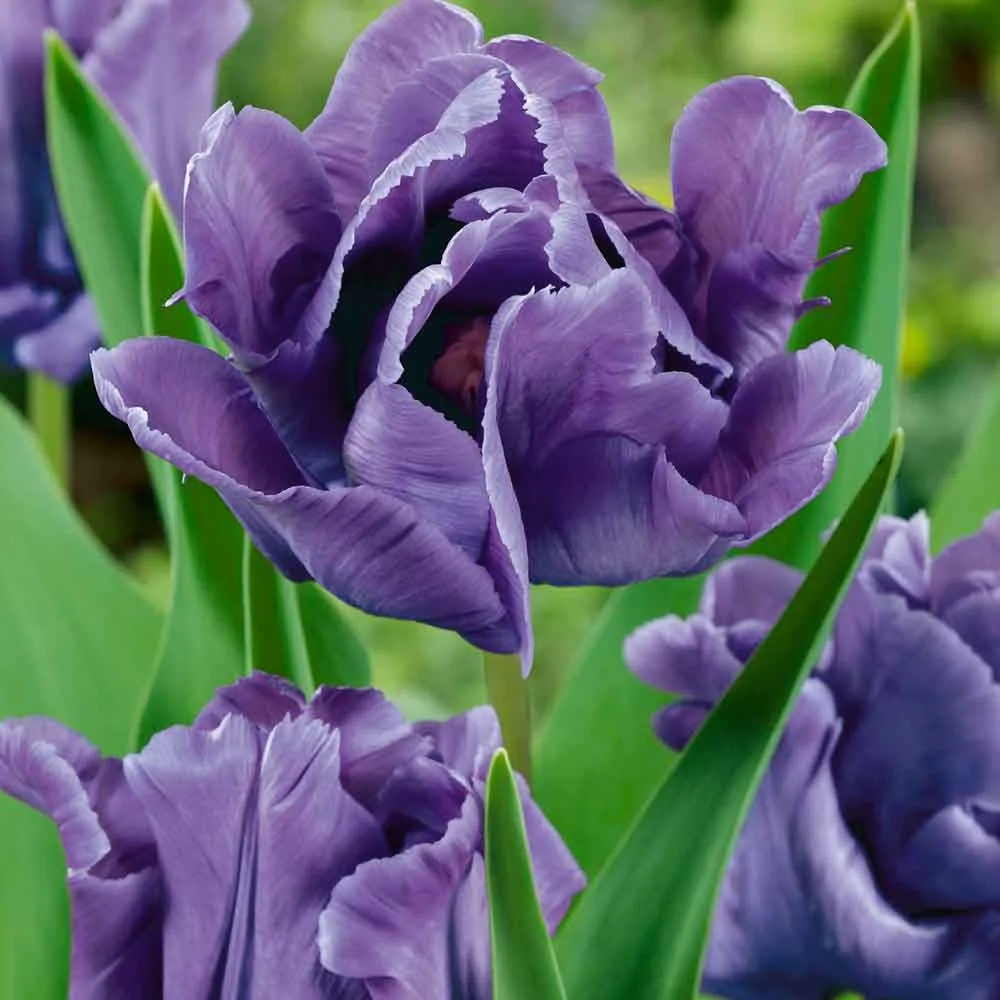
| Care difficulty | 2 / 5 |
|---|---|
| Watering schedule | Moist during growth, reduce water as foliage dies back |
| Sunlight requirements | Full sun |
| Ideal temperature | Information to be completed |
| Soil type | Chalk · Loam · Sand |
| Soil pH | Acid · Alkaline · Neutral |
| Soil moisture | Well drained |
| Fertilizing | Bulb feed at shoot growth and again after flowering |
| Toxicity | Harmful if eaten, skin allergen. Wear gloves and other protective equipment when handling] |
How to Water tulip 'Blue Parrot'?
Moist during growth, reduce water as foliage dies back
Learn more →What Are the Sunlight Requirements for tulip 'Blue Parrot'?
Full sun
Learn more →What Soil Is Best for tulip 'Blue Parrot'?
- Soil type
- Chalk · Loam · Sand
- Soil pH
- Acid · Alkaline · Neutral
What Are the Moisture Requirements for tulip 'Blue Parrot'?
Well drained
Learn more →How to Fertilize tulip 'Blue Parrot'?

Bulb feed at shoot growth and again after flowering
Learn more →How to Prune tulip 'Blue Parrot'?

Remove old flowers. Cut back foliage once the leaves died down turning yellow
Learn more →How to Propagate tulip 'Blue Parrot'?

Propagate by lifting and separating offsets
Learn more →How to Plant tulip 'Blue Parrot'?
Plant 10 – 15cm deep in fertile, well-drained soil with shelter from strong winds and protection from excessive wet. See tulip cultivation for further advice
Learn more →Common Pests & Diseases

Diseases
May be susceptible to tulip fire and bulb rot in poorly drained soil
Pests
May be susceptible to slug and snail damage, aphids and stem and bulb eelworm
Explore the plant health library →The Toxicity of tulip 'Blue Parrot'
Harmful if eaten, skin allergen. Wear gloves and other protective equipment when handling]