



Planting and Growing Japanese aralia

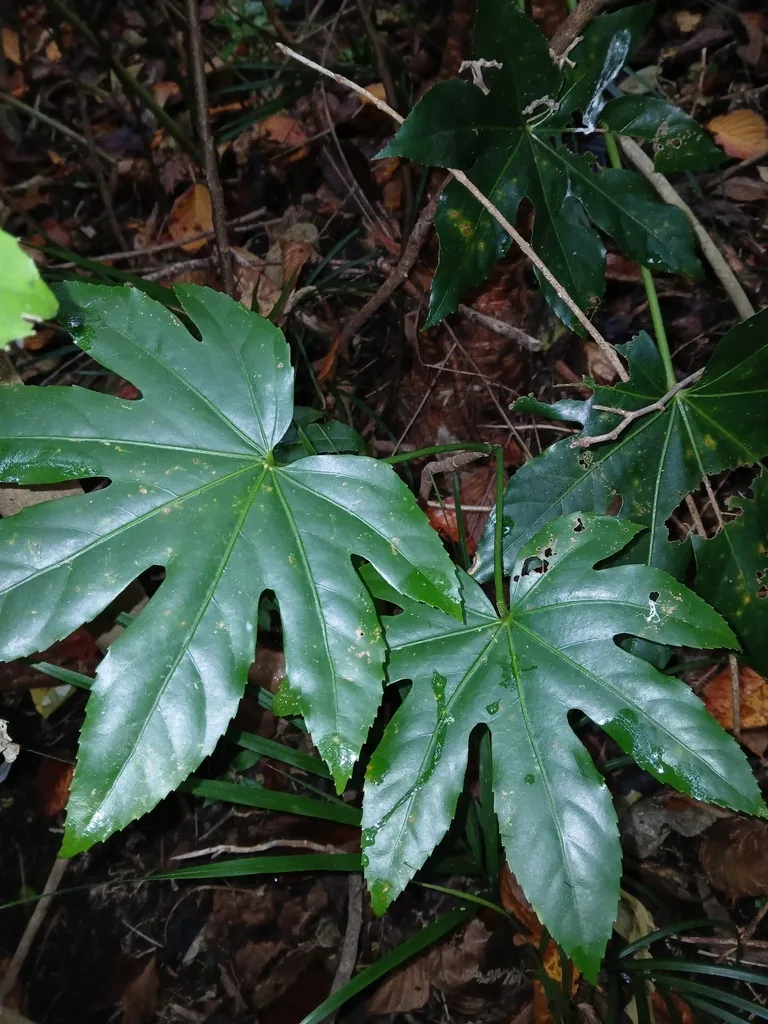
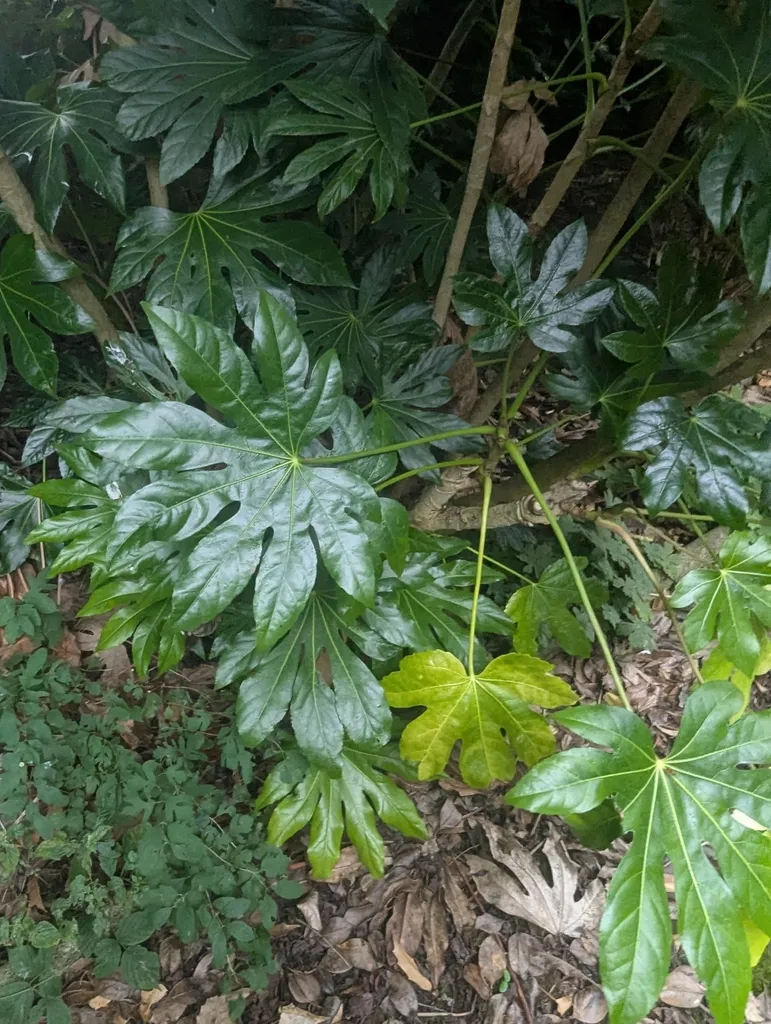
| Care difficulty | 2 / 5 |
|---|---|
| Watering schedule | Moderate regular watering, allowing brief slight drying between soakings |
| Sunlight requirements | Full shade · Full sun · Partial shade |
| Ideal temperature | 15 – 25 °C |
| Soil type | Chalk · Clay · Loam · Sand |
| Soil pH | Acid · Alkaline · Neutral |
| Soil moisture | Moist but well drained |
| Fertilizing | Balanced perennial feed every four weeks from spring through summer |
| Toxicity | Fruit are ornamental - not to be eaten. Wear gloves and other protective equipment when handling |
How to Water Japanese aralia?
Native to the subtropical regions, paperplant thrives in moist environments and is accustomed to consistent humidity. This species exhibits a preference for evenly moist soil conditions, reflecting its natural habitat's balance between wetness and drainage. Watering should be adjusted to once every 1-2 weeks, ensuring that the soil does not completely dry out between intervals. Typically grown indoors due to its ornamental appeal, paperplant benefits from higher humidity levels which can emulate its native climate; thus, misting or placing it in a pebble tray with water can promote lush foliage.
Learn more →What Are the Sunlight Requirements for Japanese aralia?
Paperplant flourishes in full shade, where it receives gentle, filtered light. This limited light exposure is essential for maintaining the lush, deep-green foliage paperplant is known for. Although paperplant tolerates partial sun, intense direct sunlight can scorch its leaves, leading to a decline in vigor and aesthetic appeal. When grown outdoors, paperplant should be situated in a location where it is shielded from the harsh afternoon sun, under the canopy of taller trees or on the north side of buildings. Indoors, paperplant is best placed in a well-lit room away from direct light sources. The plant has the ability to adapt to varying light by adjusting leaf orientation to optimize light absorption, enhancing its durability in less than ideal conditions.
Learn more →What Is the Ideal Temperature Range for Japanese aralia?

The paperplant exhibits notable resilience to temperature variations, enduring cold down to -5°C (23°F) and heat up to 41°C (106°F). This adaptability allows the plant to thrive in diverse environments but also necessitates certain care measures. For instance, during frosty conditions, it's essential to provide insulation or relocate the plant indoors. Prolonged exposure to temperatures outside its tolerance range may lead to wilting, leaf discoloration, or stunted growth. If overcooling occurs, gradual warming and consistent watering can help recovery. Similarly, in overheating scenarios, providing shade and increasing humidity can mitigate stress. Overall, understanding its temperature tolerance aids in ensuring the plant’s long-term health and vitality.
Learn more →What Soil Is Best for Japanese aralia?
Paperplant thrives in well-draining soil to prevent root rot. A suitable soil mix combines equal parts potting mix and perlite or sand. If perlite isn't available, use pumice or vermiculite. Ensure good drainage by adding coarse material. Seasonal addition of balanced, slow-release fertilizer enhances growth. Maintain soil aeration with occasional loosening around paperplant's base without disturbing its roots.
- Soil type
- Chalk · Clay · Loam · Sand
- Soil pH
- Acid · Alkaline · Neutral
What Are the Moisture Requirements for Japanese aralia?
Moist but well drained
Learn more →How to Fertilize Japanese aralia?

For paperplant, use balanced nutrition fertilizers in spring/summer for optimal growth; high nitrogen variants can be used if foliage enhancement is desired. Fertilize monthly during these active growth periods with a diluted solution as instructed on the product label. Less frequent fertilization is required in fall/winter, roughly every 6-8 weeks, as growth slows. Over-fertilization can lead to salt buildup; ensure potting soil is moist before applying. Avoid fertilizing dormant plants. Adhere to seasonal growth patterns to maintain paperplant's health and vigor.
Learn more →How to Prune Japanese aralia?

Paperplant, an evergreen shrub known for its large, lobed leaves, benefits from pruning to maintain its shape and encourage healthy growth. The best time to prune is between early to late winter, aligning with the plant's dormant period. Focus on removing any dead or damaged stems and thinning out crowded areas to improve air circulation. Regular pruning helps prevent legginess and promotes a fuller, bushier appearance, contributing to the overall vitality of the plant.
Learn more →How to Propagate Japanese aralia?

The ideal propagation season for paperplant is in spring and summer through cutting. This process is moderately easy, with successful propagation indicated by fresh growth. Ensure proper humidity and temperatures when propagating.
Learn more →How to Transplant Japanese aralia?
The perfect time to transplant paperplant is during the cusp of late spring and early summer when the plant is actively growing. Choose a partially shaded location to ensure its success. Remember, paperplant thrive best in well-draining soils. Happy transplanting!
Learn more →How to Care for Japanese aralia in Winter?

Paperplant hails from sub-tropical regions, effortlessly tolerating colder climates thanks to its glossy, evergreen leaves that resist winter chills. Employees a natural 'drip-tip' adaptation, shedding surplus water in gloomy conditions. Over winter, gardeners should consider additional protection during severe frosts to prevent leaf browning. Moderately water paperplant, allowing soil dryness between watering, and maintain in well-drained soil to ensure its vitality throughout the frosty season.
Learn more →How to Plant Japanese aralia?
Indoors-potted: Ensure paperplant has enough space to spread its broad leaves; regular pruning can maintain its shape and encourage fuller growth indoors. Outdoors-potted: Paperplant appreciates shelter in outdoor pots, so place it where it's protected from strong winds which could damage its large foliage. Outdoors-in the ground: In the ground, paperplant can grow quite large; clear surrounding vegetation periodically to prevent overcrowding and promote healthy development.
Learn more →How to Repot Japanese aralia?
Repot paperplant, a robust shrub, every 2-3 years in spring to accommodate its growth. Choose a pot just a few inches larger to prevent overwatering. Afterward, ensure a humid environment and indirect light to help paperplant recover and thrive. Paperplant's bold foliage appreciates careful attention during repotting but remains resilient afterwards.
Learn more →Common Pests & Diseases

Diseases
May be susceptible to a leaf spot and honey fungus
Pests
May be susceptible to scale insects, thrips and mealybugs
Explore the plant health library →Troubleshooting
Leaf Scorch, Yellowing Chlorosis, or Root/Crown Decline
Japanese aralia (Fatsia japonica) depends on deep, well-drained soil and appropriate sun/moisture balance; waterlogged roots, drought stress, or unsuitable soil pH quickly show in foliage color.
| What you notice | Possible explanation | What to check next |
|---|---|---|
| Leaf margins turn brown and crispy in summer heat, or young foliage wilts despite adequate sunlight | Drought stress, drying winds, or afternoon sun scorch (especially on newly planted trees/shrubs) | Check soil moisture 10–15 cm (4–6 inches) deep and assess afternoon sun and wind exposure |
| Leaves turn pale yellow between dark green veins or whole canopy yellows and thins | Unsuitable soil pH locking up iron/manganese or poor drainage causing root rot | Test soil pH and inspect root-zone drainage after heavy rain or irrigation |
- Plant in well-drained soil suited to its pH needs (Acid, Alkaline, Neutral pH) in full shade or full sun or partial shade, mulching the root zone with organic bark or leaf mold kept clear of the trunk.
- Water deeply during dry spells, especially in the first two years after planting: Moderate regular watering, allowing brief slight drying between soakings.
- Protect frost-tender or container-grown woody species before winter freezes.
If sudden branch dieback with dark vascular streaking or mushroom growth at the base occurs (suspected Verticillium wilt or honey fungus), prune out dead wood cleanly and consult local extension diagnostics.
Poor Flowering/Fruiting or Sap-Sucking Pests and Mildew
Insufficient sunlight, improper pruning timing, or dense unpruned canopies can reduce blooms and fruit while encouraging aphids, scale, caterpillars, or powdery mildew.
| What you notice | Possible explanation | What to check next |
|---|---|---|
| Vigorous leafy shoots with few flowers or poor fruit set | Excessive shade, high-nitrogen fertilizer, or pruning off old-wood flower buds at the wrong season | Review daily sun hours, fertilizer ratio, and pruning timing |
| Curled sticky new shoots, white powdery leaf coating, or chewed foliage | Common pests (May be susceptible to scale insects, thrips and mealybugs) or fungal issues (May be susceptible to a leaf spot and honey fungus) | Inspect shoot tips, leaf undersides, and inner canopy airflow |
- Prune at the appropriate seasonal window: Prune lightly as needed to remove unwanted shoots and keep the shrub in shape. Prune in mid- to late spring..
- Thin crowded interior shoots to improve sunlight penetration and air circulation, and clean up fallen leaves in autumn.
- Blast aphids off sturdy shoots with a firm water spray or use insecticidal soap per label instructions.
Avoid late-summer nitrogen feeding, which forces soft late growth vulnerable to early autumn frost.
The Toxicity of Japanese aralia
Fruit are ornamental - not to be eaten. Wear gloves and other protective equipment when handling