



Planting and Growing polka dot plant

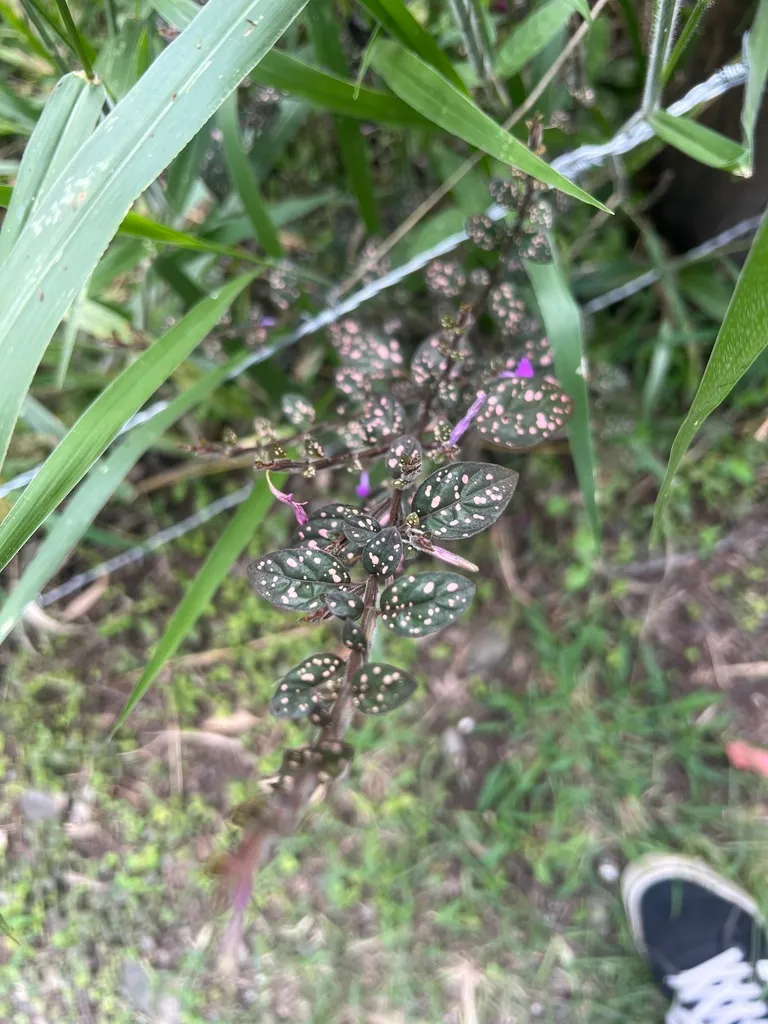


| Care difficulty | 3 / 5 |
|---|---|
| Watering schedule | Evenly moist potting mix, mist leaves to raise surrounding air humidity |
| Sunlight requirements | Full sun · Partial shade |
| Ideal temperature | 18 – 27 °C |
| Soil type | Loam |
| Soil pH | Acid · Neutral |
| Soil moisture | Well drained |
| Fertilizing | Diluted tropical foliage feed every three weeks spring through summer |
| Toxicity | Information to be completed |
How to Water polka dot plant?
Polka dot plant thrives in a humid environment, mirroring its native tropical rainforest habitat. This plant has a preference for humidity and is moderately tolerant to drought. Watering every week helps maintain its moisture levels. Being an evergreen plant, polka dot plant retains water in its leaves throughout the year, making it less demanding on frequent watering compared to deciduous plants.
Learn more →What Are the Sunlight Requirements for polka dot plant?
Polka dot plant flourishes best under partial sun, where indirect bright light encourages vivid foliage coloration and healthy growth. While it tolerates full shade, polka dot plant's signature spotted leaves may fade, and its overall vigor might diminish. Areas of dappled sunlight, such as near north-facing windows or behind sheer curtains, are ideal indoors. Outdoors, planting polka dot plant under a canopy that filters the intensity of direct sunlight suits its light preferences, fostering a robust appearance and preventing leaf scorch.
Learn more →What Is the Ideal Temperature Range for polka dot plant?

Polka dot plant demonstrates a moderate tolerance to temperature fluctuations. Although it can endure temperatures as low as 5℃ (41℉) and as high as 43℃ (109℉), it is sensitive to extremes. In cold conditions, polka dot plant may exhibit leaf discoloration, wilting, or stunted growth, and in heat, it could suffer from leaf scorch or dehydration. To care for polka dot plant, protective measures are necessary during cold snaps, such as relocating indoors or providing insulation, and during extreme heat, ensuring adequate shading and watering. These temperature tolerances make polka dot plant suitable for environments with mild conditions, but it requires attentive care to thrive under more extreme weather.
Learn more →What Soil Is Best for polka dot plant?
- Soil type
- Loam
- Soil pH
- Acid · Neutral
What Are the Moisture Requirements for polka dot plant?
Well drained
Learn more →How to Fertilize polka dot plant?

For polka dot plant, apply a high nitrogen fertilizer every 4-6 weeks during active growth in spring and summer, reducing to once every 8 weeks in fall and winter. This regimen supports robust foliage growth and vibrant coloration. Use half the recommended strength to prevent overfertilization. Seasonal adjustments ensure polka dot plant receives optimal nutrients without root burn. Water polka dot plant before fertilizing to aid nutrient absorption and protect roots. Accurate dosing is crucial; a weaker solution is preferable to risking excess.
Learn more →How to Prune polka dot plant?

Distinctive for its colorful, dotted foliage, polka dot plant thrives with regular pruning. Trim back in early spring to encourage bushier growth and after flowering in late spring for shape maintenance. Prune leggy stems to stimulate fuller foliage. Always use clean, sharp tools and cut just above a leaf node. Regular pruning prevents legginess, enhances aesthetic appeal, and promotes robust health, ensuring optimal growth and vibrant appearance.
Learn more →How to Propagate polka dot plant?

Polka dot plant is ideally propagated during Spring and Summer via cuttings. The process is relatively easy, with successful signs including new leaf growth. Keep the cuttings moist and partially shaded to enhance their chances of rooting.
Learn more →How to Transplant polka dot plant?
Transplant polka dot plant ideally between mid-spring to late-spring or mid-fall to late-fall, ensuring optimal growth. Select a partially shaded location for best results. Gently loosen the root ball prior to transplanting, aiding successful establishment in its new habitat.
Learn more →How to Care for polka dot plant in Winter?

Polka dot plant hails from tropical Madagascar, naturally adapted to thrive in warm and sunny conditions. In winter, its growth significantly slows as temperatures decrease. Indoor gardeners should keep polka dot plant in a bright, indirectly lit location, maintaining the temperature above 60°F (15°C). Protect it from drafty windows and doors to prevent shock due to sudden temperature drops. A pebble water tray could simulate its native humid environment and prevent leaf wilting during winter months.
Learn more →How to Plant polka dot plant?
Indoors-potted: Brighten up indoor spaces with polka dot plant, which thrives on consistent moisture to maintain its vibrant foliage. Outdoors-potted: Polka dot plant in outdoor pots may require more frequent watering due to exposure, ensuring its colorful leaves stay perky. Outdoors-in the ground: In garden soil, polka dot plant's color intensity is influenced by light; too much shade can dilute its signature hues.
Learn more →How to Repot polka dot plant?
The polka dot plant is a lively, bushy plant that flaunts vibrant foliage. Best repotted every 2-3 years in spring to accommodate growth, choose a container one size larger. Use a well-draining pot to prevent root rot. Post-repotting, keep soil consistently moist and provide bright, indirect light to ensure polka dot plant thrives with its signature colorful spots.
Learn more →How to Harvest polka dot plant?

Information to be completed
Learn more →Common Pests & Diseases

Diseases
Powdery mildews can occur
Pests
Generally pest-free
Explore the plant health library →The Toxicity of polka dot plant
Information to be completed