



Planting and Growing cut-leaved Japanese maple

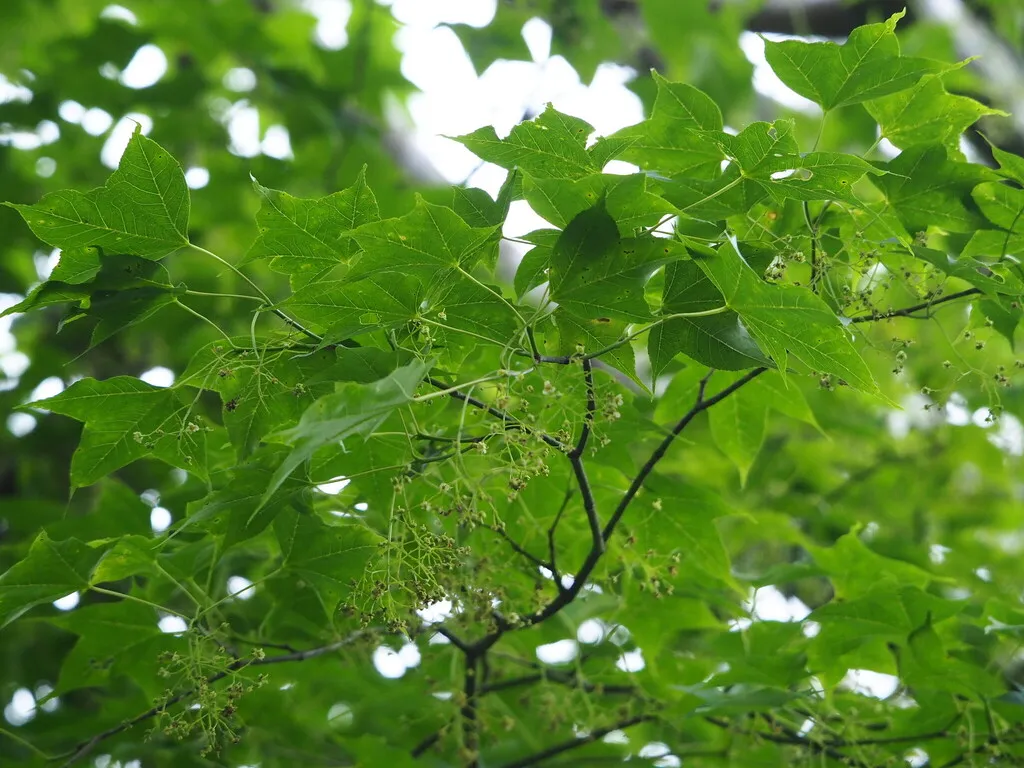
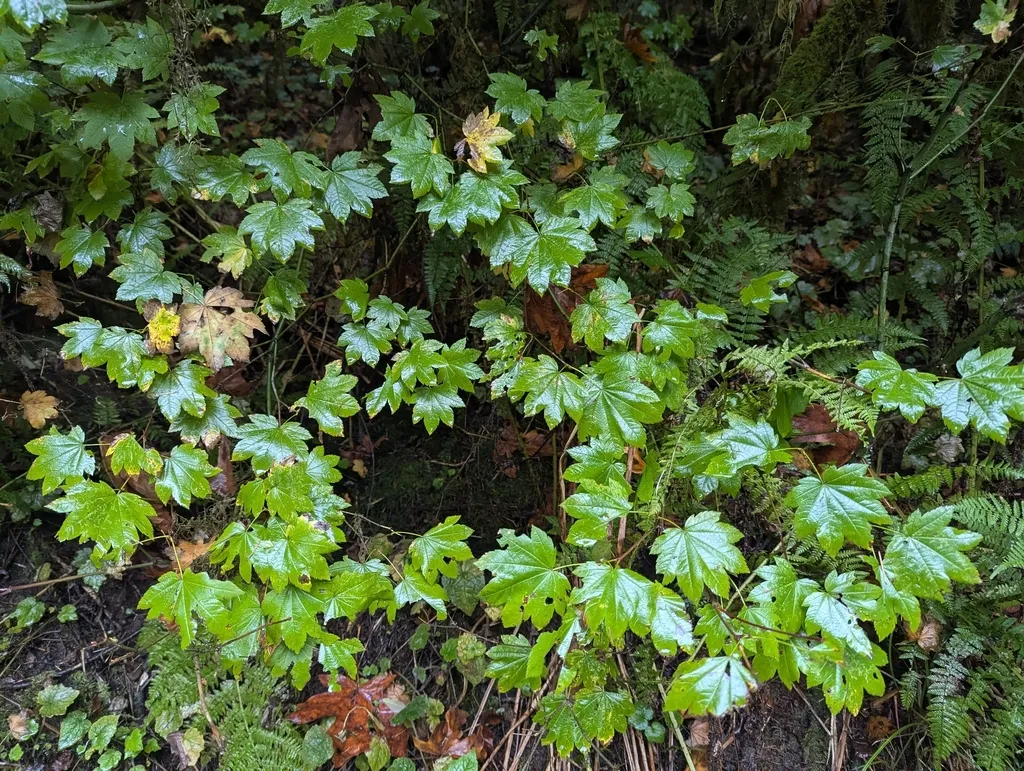
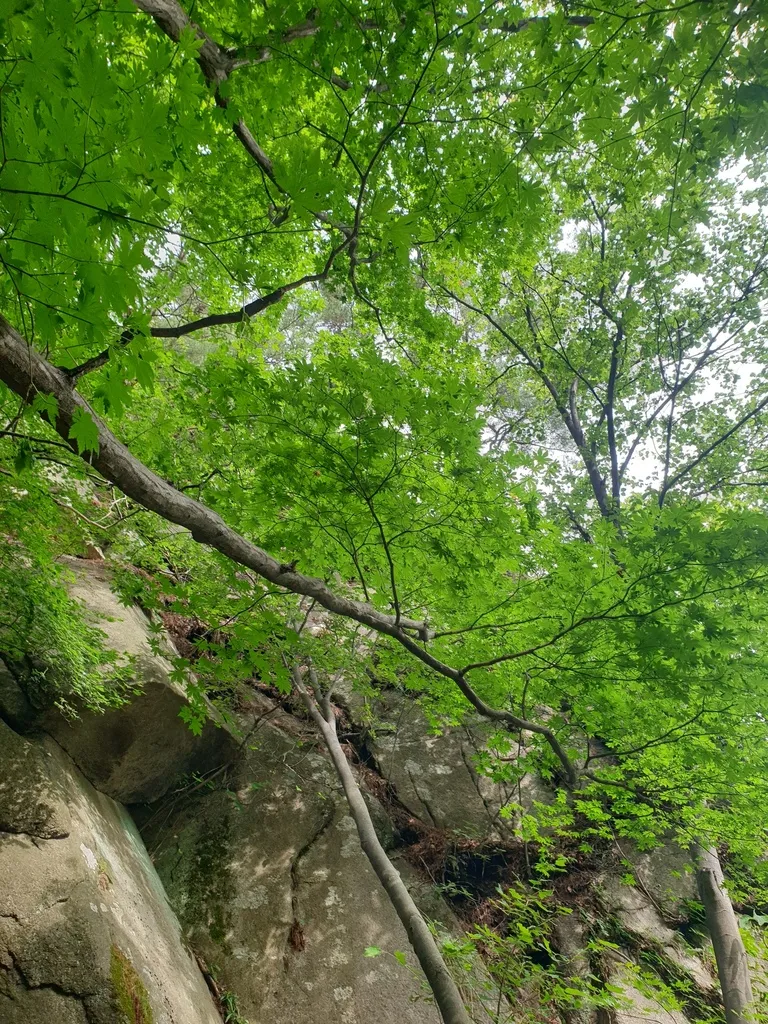
| Care difficulty | 3 / 5 |
|---|---|
| Watering schedule | Moderate regular watering, allowing brief slight drying between soakings |
| Sunlight requirements | Full sun · Partial shade |
| Ideal temperature | 15 – 25 °C |
| Soil type | Chalk · Clay · Loam · Sand |
| Soil pH | Acid · Neutral |
| Soil moisture | Moist but well drained |
| Fertilizing | Balanced perennial feed every four weeks from spring through summer |
| Toxicity | Information to be completed |
How to Water cut-leaved Japanese maple?
Originating from regions with moderate humidity, japanese maple has adapted to withstand periods of lower water availability. This species thrives on a balance of moisture and well-draining conditions, showing a preference for consistent but not excessive watering, aligning with its native climate's patterns. Accordingly, it is best to water japanese maple once every 1-2 weeks to maintain this equilibrium. As an outdoor plant that experiences seasonal changes in temperature and daylight, japanese maple's water needs will fluctuate; during the growing season, ensure soil moisture supports its vibrant foliage without becoming waterlogged.
Learn more →What Are the Sunlight Requirements for cut-leaved Japanese maple?
Japanese maple thrives best in conditions with partial sun where it receives some direct light but is protected during the hottest part of the day. While japanese maple shows a high degree of adaptability, deviation from these conditions towards full sun or full shade can influence its vigor and leaf coloration. In the full sun, leaves may scorch, while in full shade, the growth might be less dense. When outdoors, planting japanese maple in a location that enjoys morning sunlight with afternoon shade is ideal. Additionally, japanese maple can display a more vibrant leaf color when positioned to receive the optimum amount of light.
Learn more →What Is the Ideal Temperature Range for cut-leaved Japanese maple?

Japanese maple is quite adaptable to temperature extremes, showcasing resilience in both cold and heat. It can endure temperatures as low as -30℃ (-22℉) and up to 41℃ (106℉). This extensive range highlights its capability to withstand significant variations, making it suitable for diverse climates. However, extreme cold may cause leaf drop and branch dieback, while excessive heat can lead to leaf scorch and wilting. During harsh winter cold snaps, mulching and burlap wrapping are useful protective measures. Conversely, in intense heat, ensure adequate watering and provide partial shade. These practices help maintain the plant's health and longevity despite fluctuating temperatures.
Learn more →What Soil Is Best for cut-leaved Japanese maple?
The japanese maple does not have many specific requirements for soil. It is a forest native, so it prefers well-drained soil that is rich in humus and slightly acidic. Its main root will extend deep into the soil, but its tiny fibrous roots will be concentrated near the soil surface, so accumulated water in the soil tends to cause root rot.
- Soil type
- Chalk · Clay · Loam · Sand
- Soil pH
- Acid · Neutral
What Are the Moisture Requirements for cut-leaved Japanese maple?
Moist but well drained
Learn more →How to Fertilize cut-leaved Japanese maple?

Fertilizing japanese maple enhances vigor, encouraging vibrant foliage and structural growth. For optimal results, use a balanced fertilizer in spring and autumn, switching to high-nitrogen fertilizers for boosting spring growth. Seasonally adjust: apply once monthly in the growing season, sparingly in fall. Lightly sprinkle fertilizer at the drip line, not near the trunk, to avoid root burn. Young japanese maple require more frequent feeding, while established ones need less. Always water soil before and after fertilizing to aid nutrient absorption and prevent root damage.
Learn more →How to Prune cut-leaved Japanese maple?

Japanese maple, known for its beautiful, delicate leaves and vibrant fall colors, benefits most from pruning in early spring before new growth begins. Key techniques include thinning out crowded branches to enhance air circulation and removing dead or damaged wood. This promotes healthier growth and maintains the plant's natural shape. Avoid heavy pruning, as it can stress the plant. Regular, light pruning allows for better sunlight penetration and reduces disease risk, ensuring a more robust and attractive specimen.
Learn more →How to Propagate cut-leaved Japanese maple?

Japanese maple can be propagated effectively through the method of cutting. For successful propagation, a healthy stem cutting with several leaf nodes is essential. Ensure the cutting tool is clean to prevent the introduction of diseases. After cutting, dip the base of the stem in rooting hormone to enhance root development, then insert it into a well-draining soil mix that's kept moist. Provide indirect light and maintain humidity around the cutting.
Learn more →How to Transplant cut-leaved Japanese maple?
The best time to transplant japanese maple is from late spring to mid-summer, as it gives the plant ample time to establish and thrive. Choose a location with partial shade and well-draining soil. Remember to keep the roots moist during the process for optimal transplant success.
Learn more →How to Care for cut-leaved Japanese maple in Winter?

Information to be completed
Learn more →How to Plant cut-leaved Japanese maple?
Indoors-potted: Ensure japanese maple has space to accommodate its growth; indoors, it can be sculptural but needs careful pruning to manage size. Outdoors-potted: Japanese maple's vibrant foliage is best maintained in a pot outdoors with attentive seasonal repotting to prevent root constriction. Outdoors-in the ground: In the ground, japanese maple thrives with ample room for root expansion, enhancing its natural shape and stunning fall color transformation.
Learn more →How to Repot cut-leaved Japanese maple?
Repot japanese maple every 2-3 years, ideally in early spring before leaf emergence to minimize stress. For this non-climbing, tree-shaped species, select a container slightly larger than the current one to accommodate growth. Post-repotting, provide japanese maple with well-draining soil, and consistent moisture. Maintain a balance in watering and protect from strong winds to ensure this somewhat delicate species thrives after the transition.
Learn more →How to Harvest cut-leaved Japanese maple?

Information to be completed
Learn more →Common Pests & Diseases

Diseases
May be susceptible to Verticillium wilt, Acer leaf scorch and honey fungus
Pests
May be susceptible to Acer gall mite, aphids, caterpillars and horse chestnut scale
Explore the plant health library →The Toxicity of cut-leaved Japanese maple
Information to be completed