



Planting and Growing Canadian goldenrod

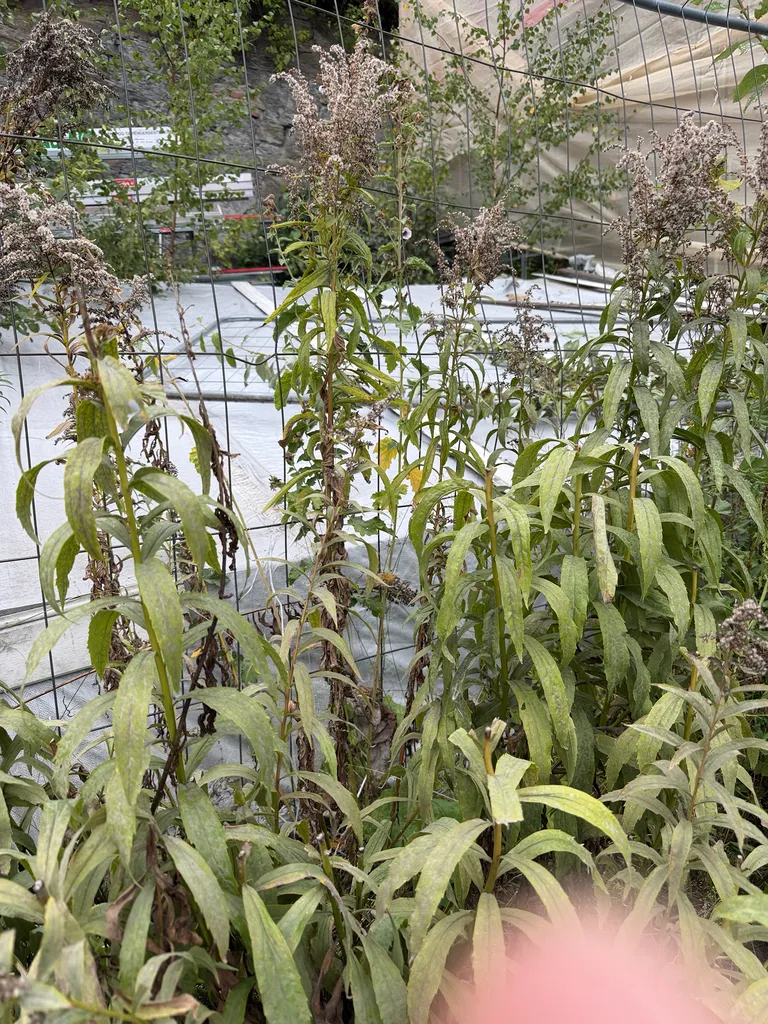
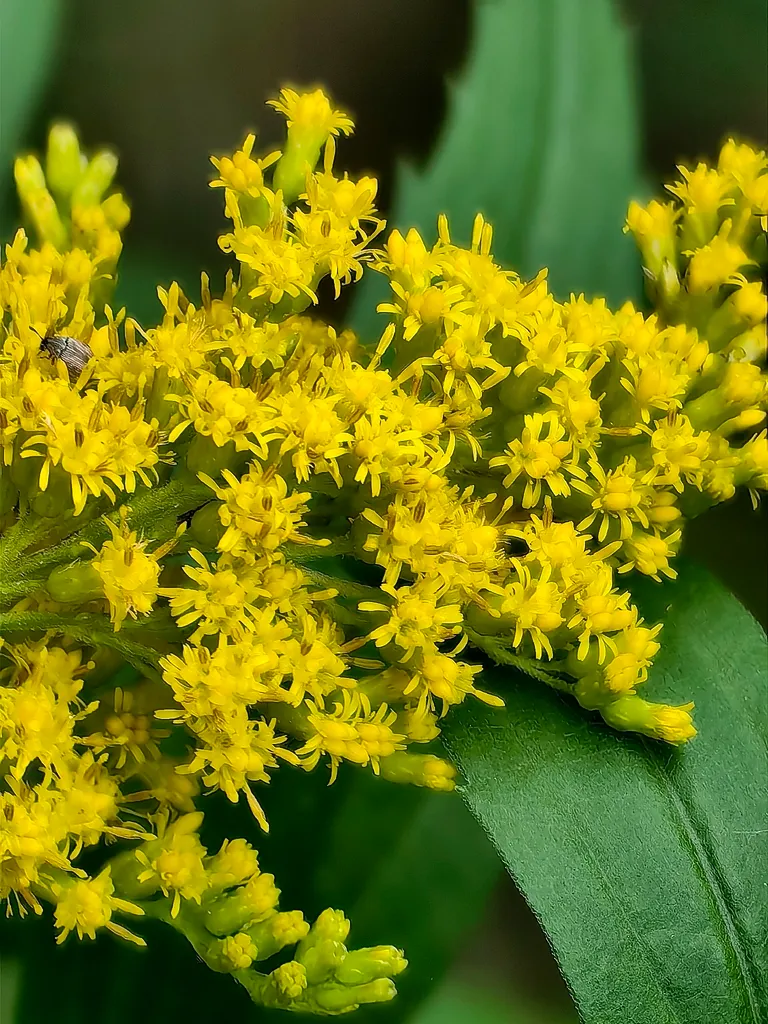
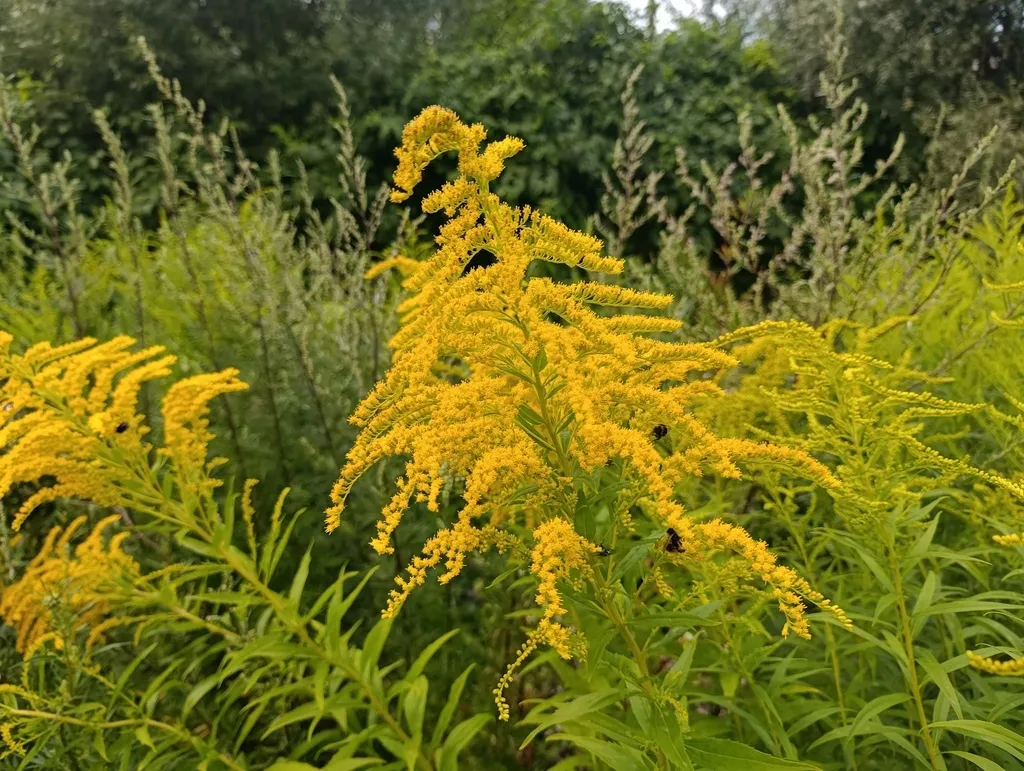
| Care difficulty | 1 / 5 |
|---|---|
| Watering schedule | Moderate regular watering, allowing brief slight drying between soakings |
| Sunlight requirements | Full sun |
| Ideal temperature | 15 – 25 °C |
| Soil type | Loam · Sand |
| Soil pH | Acid · Alkaline · Neutral |
| Soil moisture | Well drained · Moist but well drained |
| Fertilizing | Balanced perennial feed every four weeks from spring through summer |
| Toxicity | Information to be completed |
How to Water Canadian goldenrod?
Thriving in its native meadows and prairies, canada goldenrod is well-adapted to a range of moisture conditions but favors consistent hydration. This species demonstrates a preference for moderate humidity, striking a balance between drought resistance and a need for regular watering. Accordingly, it should be watered every week to maintain optimal health. As an herbaceous perennial commonly grown outdoors, canada goldenrod has evolved to synchronize its growth cycle with the availability of water, flourishing during periods of ample rainfall.
Learn more →What Are the Sunlight Requirements for Canadian goldenrod?
Canada goldenrod thrives best under full sun exposure, which aids in robust growth and abundant flowering. This plant's preference for direct sunlight involves receiving at least 6 to 8 hours of sunlight daily, enhancing its overall health and vitality. While canada goldenrod is tolerant of partial sun, receiving fewer hours of direct light, this suboptimal condition can lead to reduced flowering and possibly less vigorous growth. In outdoor environments, canada goldenrod should be positioned in areas that receive unobstructed sunlight for the majority of the day to maximize its growth potential and floral production.
Learn more →What Is the Ideal Temperature Range for Canadian goldenrod?

Canada goldenrod is remarkably resilient to temperature variations, tolerating cold down to -20°C (-4°F) and heat up to 38°C (100°F). This broad temperature range allows canada goldenrod to thrive in diverse climates. Despite its tolerance, extremely cold conditions may cause leaf discoloration or dieback, while extreme heat can lead to wilting and reduced flowering. To mitigate these effects, mulching can protect roots from cold, and shade netting or adequate watering can help during heat waves. This adaptability reduces the need for frequent intervention, making canada goldenrod a versatile plant for various environments.
Learn more →What Soil Is Best for Canadian goldenrod?
- Soil type
- Loam · Sand
- Soil pH
- Acid · Alkaline · Neutral
What Are the Moisture Requirements for Canadian goldenrod?
Well drained · Moist but well drained
Learn more →How to Fertilize Canadian goldenrod?

For optimal growth, canada goldenrod benefits from balanced nutrition fertilizers, like a 10-10-10 mix. Apply this every 4-6 weeks during its growing season for vigorous growth and vibrant blooms. The quantity should align with package instructions, typically a light sprinkle around the plant's base, avoiding direct contact with foliage. Refrain from winter fertilization, as canada goldenrod's needs diminish. Use a slower release formula to prevent root burn and ensure steady nutrient provision. Water thoroughly post-application for nutrient absorption and to safeguard against chemical concentration that can damage canada goldenrod.
Learn more →How to Prune Canadian goldenrod?

Canada goldenrod, known for its tall, vibrant yellow flower clusters, benefits from targeted pruning. Trim back the stems to ground level in early spring to promote healthy growth and prevent over-crowding. Deadhead spent flowers in late spring to encourage further blooming and reduce self-seeding. Pruning not only enhances the plant's appearance but also helps control its spread and maintain garden aesthetics.
Learn more →How to Propagate Canadian goldenrod?

Canada goldenrod propagates optimally through sowing in Spring. With a moderate level of difficulty, successful propagation is marked by sprouting and early foliage development. Ensure moist, well-drained soil for improved germination rates.
Learn more →How to Transplant Canadian goldenrod?
The prime time to transplant canada goldenrod is during mid-spring to early summer, as this allows ample time for root establishment before winter. Opt for a location with full sun to partial shade and well-drained soil. Remember to gently tease out any tangled roots before transplanting, for a healthier growth!
Learn more →How to Care for Canadian goldenrod in Winter?

Information to be completed
Learn more →How to Plant Canadian goldenrod?
Indoors-potted: For canada goldenrod indoors, ensure ample space as it thrives with room to stretch its foliage. Outdoors-potted: Canada goldenrod in outdoor pots require regular rotation to promote even growth and prevent leaning. Outdoors-in the ground: In-ground canada goldenrod can spread vigorously; consider border limitations to manage its enthusiastic growth.
Learn more →How to Repot Canadian goldenrod?
Needs excellent drainage in pots.
Learn more →How to Harvest Canadian goldenrod?

Information to be completed
Learn more →Common Pests & Diseases

Diseases
May be susceptible to powdery mildews
Pests
Generally pest-free
Explore the plant health library →The Toxicity of Canadian goldenrod
Information to be completed