



Planting and Growing ivy geranium

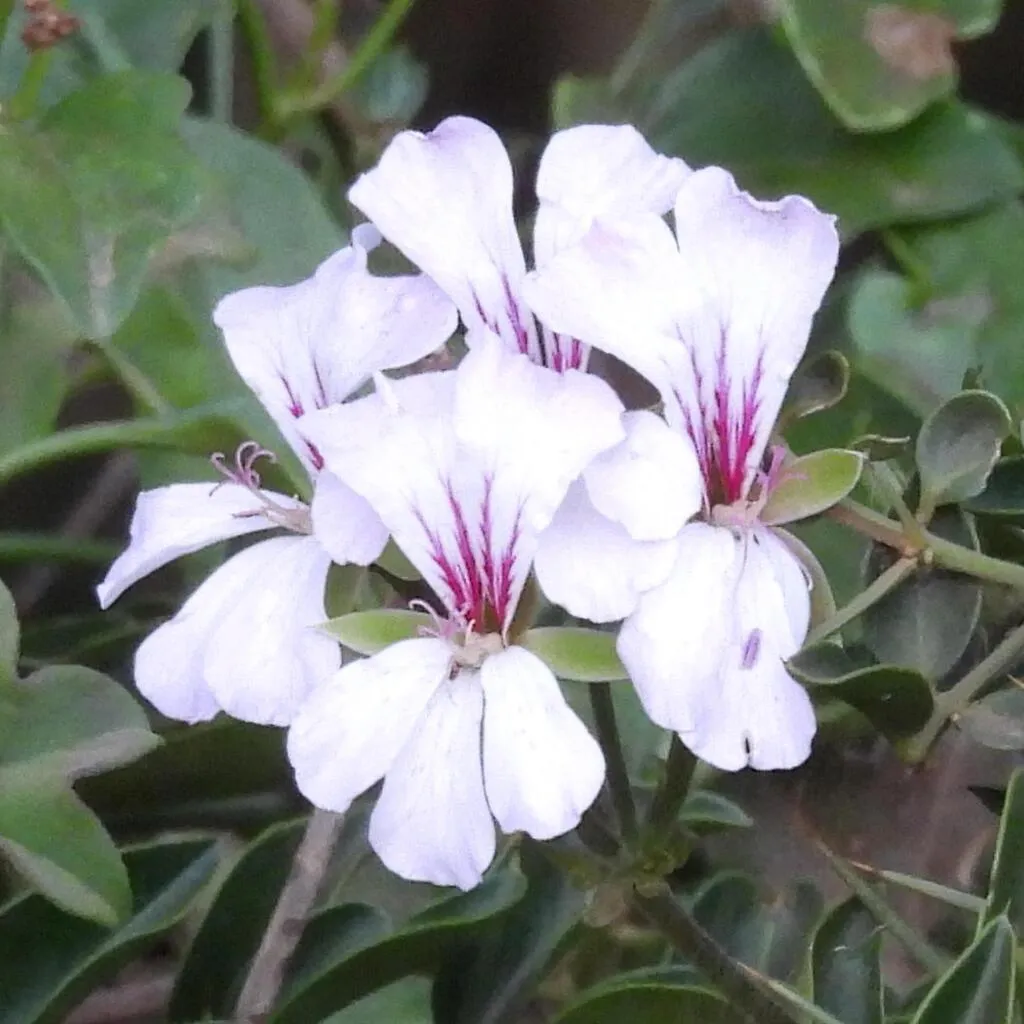
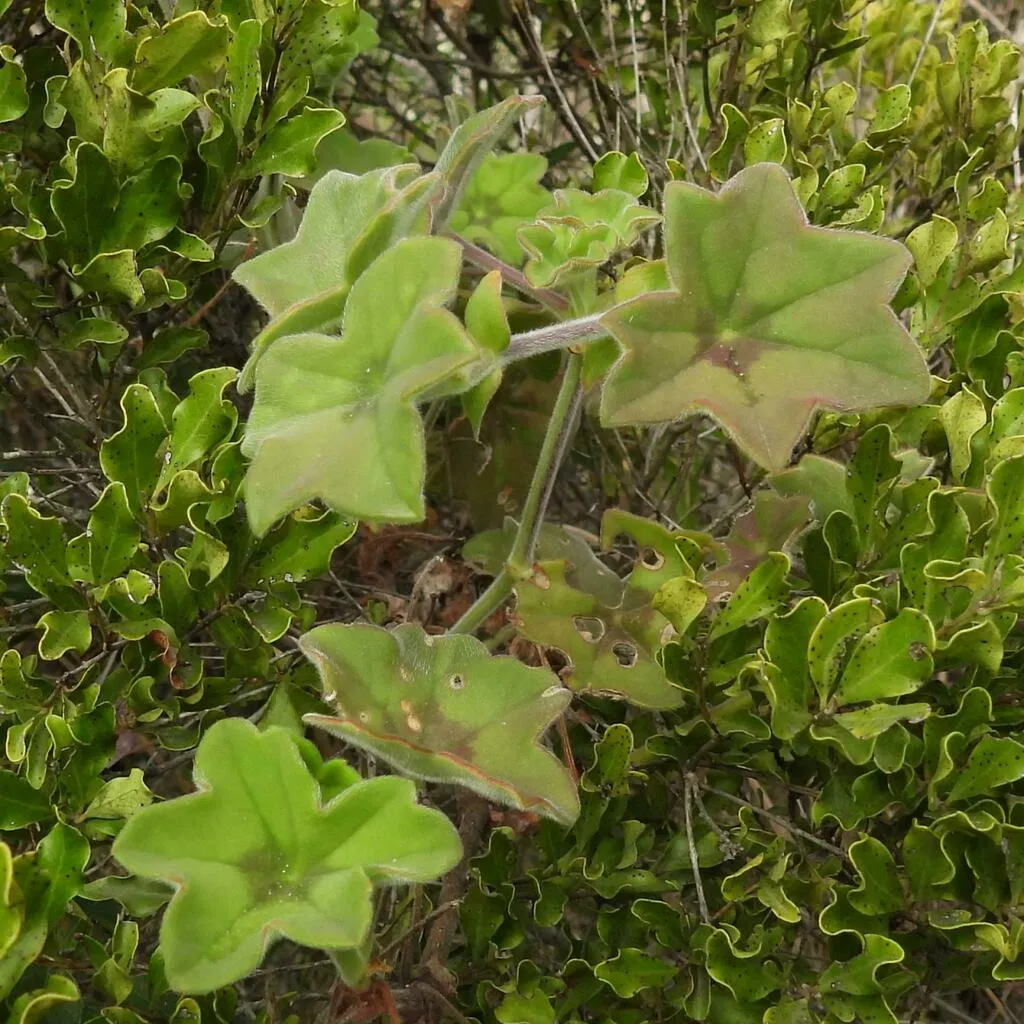
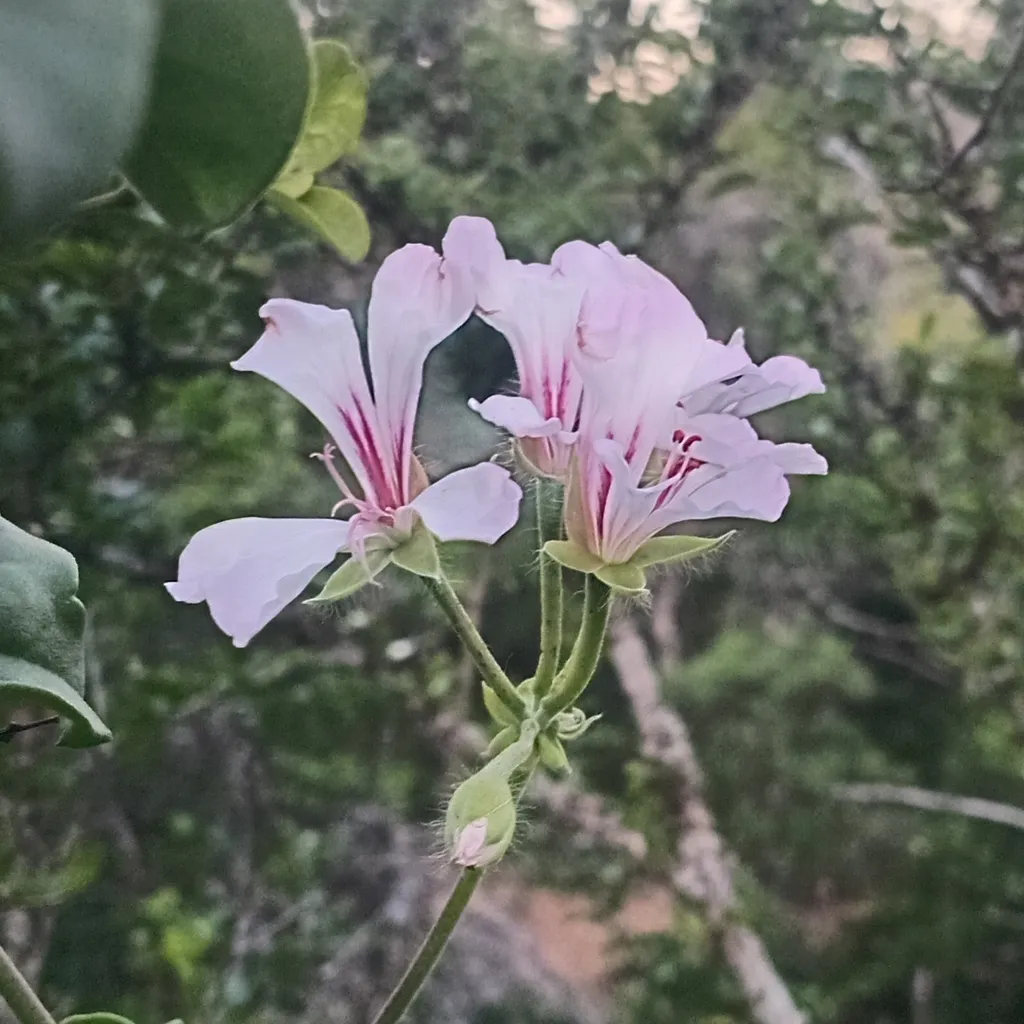
| Care difficulty | 3 / 5 |
|---|---|
| Watering schedule | Moderate regular watering, allowing brief slight drying between soakings |
| Sunlight requirements | Partial shade · Full sun |
| Ideal temperature | 15 – 25 °C |
| Soil type | Sand · Loam · Clay · Chalk |
| Soil pH | Neutral · Alkaline |
| Soil moisture | Well drained |
| Fertilizing | Balanced perennial feed every four weeks from spring through summer |
| Toxicity | Information to be completed |
How to Water ivy geranium?
Thriving in its native subtropical environments, ivy geranium has adapted to periodic dry spells, making it moderately drought-tolerant. It prefers a balance of moisture and well-draining conditions to mimic its natural habitat. For optimal growth, watering once every 1-2 weeks is sufficient. As an evergreen plant often grown outdoors, ivy geranium requires careful attention to soil moisture levels to prevent root rot while ensuring vibrant foliage.
Learn more →What Are the Sunlight Requirements for ivy geranium?
Ivy geranium thrives best under full sun, which bolsters its growth and enhances its flowering capacity. While it can tolerate partial sun, too little light may lead to leggy stems and reduced blooming. Conversely, ivy geranium's leaves may exhibit signs of stress, such as scorching or fading, when subject to excessive direct sunlight, particularly in hot climates. Indoors, a south-facing window is ideal, ensuring ample light. Outdoors, ivy geranium should be planted in a spot where it can bask in several hours of sunlight, yet receive some afternoon shade in hotter regions to prevent overheating.
Learn more →What Is the Ideal Temperature Range for ivy geranium?

Ivy geranium exhibits moderate resilience to temperature fluctuations, withstanding cold down to 0℃ (32℉) and heat up to 43℃ (109℉). This range allows ivy geranium to thrive in diverse environments, but care must be taken during temperature extremes. In cold conditions, ivy geranium might show wilting or discoloration; during extreme heat, leaf scorch and stunted growth can occur. Protective measures, such as mulching or providing shade, are crucial during temperature extremes. Monitoring and adjusting the care routine according to weather changes can help maintain ivy geranium's health and vibrancy.
Learn more →What Soil Is Best for ivy geranium?
Ivy geranium thrives in well-drained soil. For a suitable mix, combine two parts peat moss, one part perlite, and one part compost for aeration and nutrients. If peat moss is unavailable, coco coir can be an alternative. Ensure good drainage to prevent water-logging by adding a bottom layer of gravel in pots. Fertilize monthly with a balanced, water-soluble fertilizer during the growing season for optimal growth.
- Soil type
- Sand · Loam · Clay · Chalk
- Soil pH
- Neutral · Alkaline
What Are the Moisture Requirements for ivy geranium?
Well drained
Learn more →How to Fertilize ivy geranium?

To ensure robust growth and prolific blooms, feed ivy geranium biweekly with high phosphorus fertilizer, particularly during its active growth in spring and summer. A balanced, water-soluble formula (e.g., 10-20-10) aids in flower production and plant strength. Use half the recommended concentration to prevent over-fertilization. Reduce feeding in fall and cease in winter as ivy geranium enters dormancy. Prior to application, water ivy geranium to avoid root burn. Periodic flushes with plain water prevent salt buildup from fertilizers, promoting ivy geranium's health.
Learn more →How to Prune ivy geranium?

Ivy geranium, known for its cascading growth and vibrant blooms, should be pruned in early spring to late winter. Remove dead or diseased stems and trim leggy growth to maintain shape. Pruning encourages bushier growth and more abundant blooming. Be cautious not to cut back too harshly, as ivy geranium can be sensitive. Regularly pinch back growing tips during the active growing season to prevent sprawl. This care ensures strong, healthy growth and prolonged flowering periods.
Learn more →How to Propagate ivy geranium?

Ivy geranium is well-suited for propagation through cuttings, a method favoured for its efficiency and simplicity. To maximize success, use healthy, non-flowering stems and dip the cut end into a rooting hormone before planting it in a well-draining soil mix. This ensures quick root development and a clone that maintains the parent's traits. Keeping the soil consistently moist and providing bright, indirect light will foster growth. Careful handling to avoid stem damage during planting will enhance the chances of successful propagation for this popular ornamental plant.
Learn more →How to Transplant ivy geranium?
For optimal growth, transplant ivy geranium during the golden months of mid-to-late summer. Choose a sunny location to make the most of these sun-loving beauties. Maintain proper spacing while transplanting to ensure sufficient airflow. Happy transplanting!
Learn more →How to Care for ivy geranium in Winter?

Ivy geranium originates from South Africa's temperate climate, naturally withstanding milder winters. However, in colder climates, it requires special care, including indoor housing or a protective covering. Regular watering should be reduced, although the plant should never be allowed to completely dry out. A bright, cool location and occasional feeding with diluted fertilizer help ivy geranium thrive during winter.
Learn more →How to Plant ivy geranium?
Indoors-potted: When potted indoors, ivy geranium thrives with adequate airflow to maintain its vibrant foliage and prevent potential pests. Outdoors-potted: Outdoor pots accentuate the cascading habit of ivy geranium, but ensure good drainage to avoid root issues. Outdoors-in the ground: Ivy geranium's outdoor ground cultivation requires space for sprawling growth; beware of excessive moisture which can lead to fungal diseases.
Learn more →How to Repot ivy geranium?
Repot ivy geranium every 2-3 years during spring to accommodate its trailing growth and give room for new foliage. Ideal containers are hanging baskets or wide pots to support its cascading nature. Use a slightly larger pot to encourage healthy development. Post-repotting, ensure bright, indirect light and consistent moisture without waterlogging. Trailing ivy geranium thrive with attention to their space and hydration needs after repotting.
Learn more →How to Harvest ivy geranium?

Ivy geranium are self-pollinating plants. After their petals fall, there will be a 3 cm long, green, needle-shaped pod with a few seeds in the middle of the calyx. The mature seeds are dark brown and have white hairs, and can be harvested for preservation. The bloom time of ivy geranium is relatively long. Fresh flowers can be cut at the scape base with sharp gardening scissors in the evening. Cut the base at a 45° angle to increase the water absorption area, and cut off excessive leaves to reduce water evaporation. Quickly put flowers in a vase with clean water to prevent water loss.
Learn more →Common Pests & Diseases

Diseases
May be susceptible to Pelargonium rust, Pelargonium virus, Leafy gall.
Pests
May be susceptible to Thrips, vine weevil, Leafhopper, Root mealybugs, Whitefly.
Explore the plant health library →Troubleshooting
Corky Leaf Blisters (Edema), Yellowing Leaves, or Root Rot
Ivy geranium (Pelargonium peltatum) has fleshy, ivy-lobed trailing leaves that develop physiological corky blisters (edema) or root rot when potting soil stays overly wet in cool, humid weather.
| What you notice | Possible explanation | What to check next |
|---|---|---|
| Water-soaked blisters that turn into rough, corky brown bumps on leaf undersides | Edema (oedema)—roots absorbing water faster than leaves can transpire in cool, cloudy, overly wet soil | Check whether the potting mix stays wet overnight and evaluate airflow |
| Lower leaves turn yellow and drop while stems blacken or soften at the base | Root or stem rot from overwatering, blocked basket drainage, or frost exposure | Inspect container drainage holes and check night temperatures |
- Plant in a sharply drained, fertile potting mix in hanging baskets or containers with open drainage holes.
- Allow the top inch of compost to dry slightly between thorough waterings, watering early in the day and avoiding waterlogged soil during cool weather.
- Protect from frost (overwinter indoors or under glass in a bright, cool, frost-free spot with sparse winter watering).
Stop watering immediately and discard plants with blackened, girdling stem rot so fungal or bacterial pathogens do not spread to nearby pots.
Leggy Sparse Cascades, Grey Mould, or Thrips/Whiteflies
Trailing stems need ample sun, regular pinching/deadheading, and good airflow to stay dense and flower continuously.
| What you notice | Possible explanation | What to check next |
|---|---|---|
| Long bare trailing stems with few flower clusters | Insufficient direct sunlight or lack of shoot-tip pinching and deadheading | Assess daily sun exposure and check whether spent blooms remain on stems |
| Fuzzy grey mold on damp faded blooms, or distorted petals/leaves with tiny thrips, whiteflies, or spider mites | Botrytis grey mould in stagnant damp weather, or sap-sucking pests | Inspect spent flower clusters and leaf undersides closely |
- Place in full sun (with light afternoon shade only in intense heat) and feed with a balanced fertilizer during growth, switching to a high-potassium liquid feed once flowering begins.
- Pinch back growing tips in spring and deadhead spent flower clusters regularly to encourage bushy trailing stems and continuous blooms.
- Remove faded flowers promptly to prevent grey mould, and treat thrips, whiteflies, or spider mites with insecticidal soap per label directions.
Keep Pelargonium peltatum away from pets, as geraniol and linalool cause gastrointestinal upset if ingested.