



Planting and Growing shallon

| Care difficulty | 2 / 5 |
|---|---|
| Watering schedule | Lightly damp acidic soil year-round, tolerates brief mild waterlogging |
| Sunlight requirements | Full shade · Partial shade |
| Ideal temperature | Information to be completed |
| Soil type | Clay · Loam · Sand |
| Soil pH | Acid · Neutral |
| Soil moisture | Moist but well drained · Well drained |
| Fertilizing | Minimal ericaceous shrub feed once yearly early spring new growth stage |
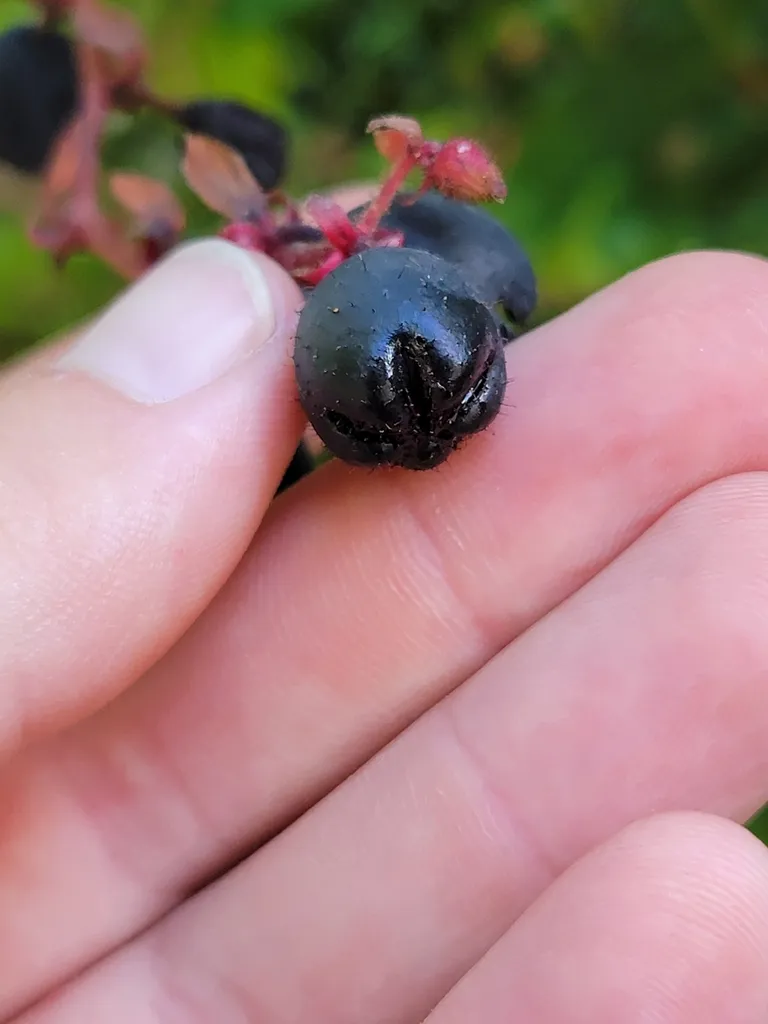
| Toxicity | Fruit are ornamental - not to be eaten. Wear gloves and other protective equipment when handling |
How to Water shallon?
Lightly damp acidic soil year-round, tolerates brief mild waterlogging
Learn more →What Are the Sunlight Requirements for shallon?
Full shade · Partial shade
Learn more →What Soil Is Best for shallon?
- Soil type
- Clay · Loam · Sand
- Soil pH
- Acid · Neutral
What Are the Moisture Requirements for shallon?
Moist but well drained · Well drained
Learn more →How to Fertilize shallon?

Minimal ericaceous shrub feed once yearly early spring new growth stage
Learn more →How to Prune shallon?

Usually little pruning is needed. Lightly shape if necessary, removing dead, damaged or diseased shoots. Prune after flowering.
Learn more →How to Propagate shallon?

Propagate by seed or by division of plants. Pot up with soil attached for best results
Learn more →How to Plant shallon?
Grow in moist or dry acidic soils in shade or partial shade where it will make good groundcover. Can colonise when planted in the landscape, for example on heathland as game cover
Learn more →Common Pests & Diseases

Diseases
May be susceptible to honey fungus in gardens where it is present but insufficient data to determine degree of susceptibility
Pests
Generally pest-free
Explore the plant health library →The Toxicity of shallon
Fruit are ornamental - not to be eaten. Wear gloves and other protective equipment when handling