



Planting and Growing snowy angel's trumpet

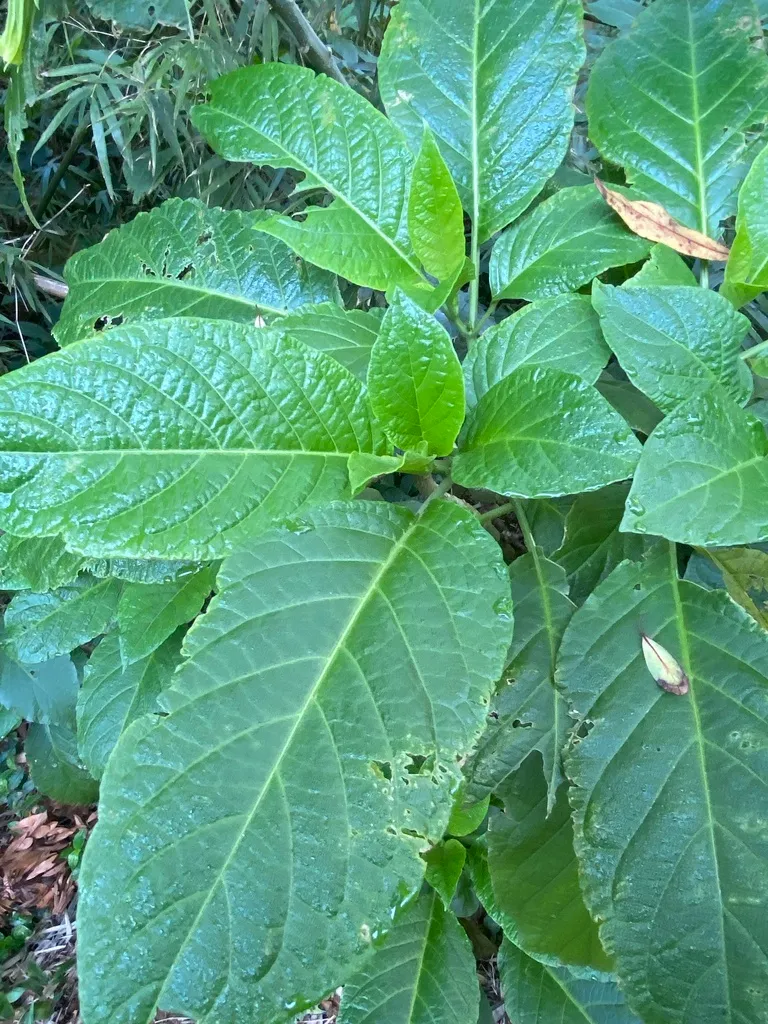
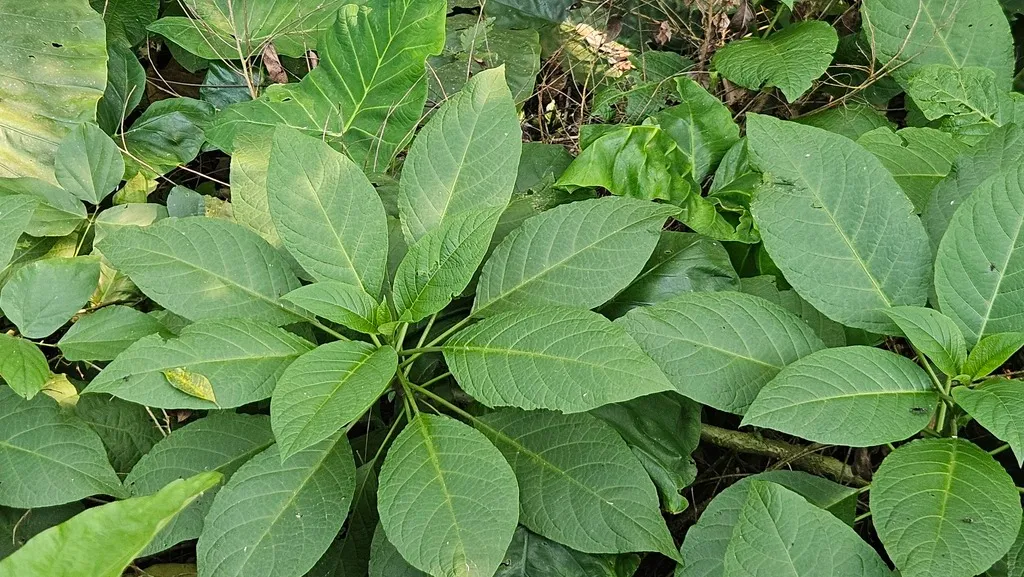
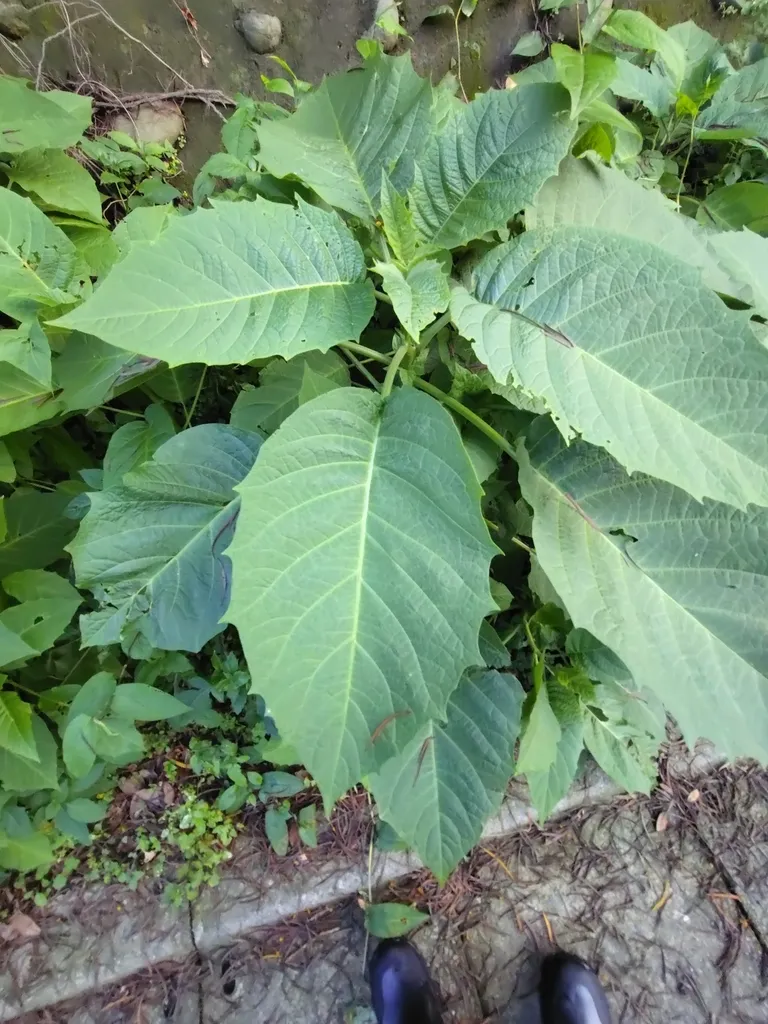
| Care difficulty | 3 / 5 |
|---|---|
| Watering schedule | Moderate regular watering, allowing brief slight drying between soakings |
| Sunlight requirements | Full sun |
| Ideal temperature | 20 – 30 °C |
| Soil type | Loam |
| Soil pH | Acid · Alkaline · Neutral |
| Soil moisture | Moist but well drained |
| Fertilizing | Balanced perennial feed every four weeks from spring through summer |
| Toxicity | TOXIC if eaten, skin irritant, avoid eye contact. Wear gloves and other protective equipment when handling |
How to Water snowy angel's trumpet?
Originating from the warm climates of South America, angel's trumpet thrives in consistently moist soil conditions akin to its tropical rainforest origins. It exhibits a preference for high humidity and requires a balanced moisture environment to flourish. The watering regimen for angel's trumpet should be adjusted to once every 1-2 weeks, ensuring that the soil remains hydrated but not waterlogged. As an outdoor plant often admired for its impressive, pendulous flowers, angel's trumpet benefits significantly from mulching, which helps retain soil moisture and reduces the need for frequent watering.
Learn more →What Are the Sunlight Requirements for snowy angel's trumpet?
Angel's trumpet thrives best in conditions of full sunlight but can also adapt to partial sun. For optimal growth, the plant should receive at least 6 hours of direct light daily. When subjected to less than ideal light, angel's trumpet's growth can be stunted, with potential impacts on health and decreased flowering. Angel's trumpet is moderately adaptable, with some varieties capable of adjusting leaf orientation to maximize light absorption. In outdoor environments, angel's trumpet should be positioned in spots that are bathed in sunlight, while indoors, it should be placed near south-facing windows to meet its light requirements.
Learn more →What Is the Ideal Temperature Range for snowy angel's trumpet?

Angel's trumpet's ability to endure temperature variations is commendable but not unlimited. It tolerates temperatures as low as 0℃ (32℉) and as high as 43℃ (109℉). In colder climates, angel's trumpet may exhibit stress symptoms such as leaf drop or color changes, necessitating protective measures like mulching or moving the plant indoors. Conversely, excessive heat can lead to wilting and burnt foliage, requiring shading and increased watering. Thus, understanding these tolerance thresholds is crucial for angel's trumpet's care, ensuring it remains healthy and vibrant despite temperature extremes.
Learn more →What Soil Is Best for snowy angel's trumpet?
For angel's trumpet, well-draining soil with good aeration is crucial. Prepare a mix using equal parts garden soil, compost, and perlite. Ensure excellent drainage with a layer of gravel or coarse sand at the bottom of the pot to prevent water-logging. Amend the soil with a balanced, slow-release fertilizer every three months to promote growth. Avoid water-logged conditions to maintain plant health.
- Soil type
- Loam
- Soil pH
- Acid · Alkaline · Neutral
What Are the Moisture Requirements for snowy angel's trumpet?
Moist but well drained
Learn more →How to Fertilize snowy angel's trumpet?

For vigorous growth and prolific blooming, fertilize angel's trumpet every two weeks during spring and summer with a balanced, water-soluble fertilizer. Taper off to monthly in fall and cease in winter. Dilute to half-strength to prevent over-fertilization. Balancing nitrogen, phosphorus, and potassium supports root strength, flower development, and overall health. Monitor growth; adjust frequency for young plants or if signs of excess appear. Use personal protective equipment, as angel's trumpet is toxic.
Learn more →How to Prune snowy angel's trumpet?

Angel's trumpet is a large, fragrant flowering shrub with a distinctive trumpet shape. Prune in early spring to remove dead, diseased, or crossing branches and to encourage bushier growth. Cut back to healthy buds or lateral branches. Pruning prevents legginess and promotes more abundant blooms. Additionally, trim spent flowers and thin out crowded areas to enhance air circulation. This maintenance ensures a healthier plant and maximizes its ornamental appeal. Always use clean, sharp tools to minimize damage.
Learn more →How to Propagate snowy angel's trumpet?

Angel's trumpet propagates best through cuttings, ideally during spring and summer. It has a moderate level of difficulty in propagation. Successful signs include new leaf growth and strong roots. Keep cuttings moist and warm during the process.
Learn more →How to Transplant snowy angel's trumpet?
The perfect time for transplanting angel's trumpet is from late spring to early autumn, as this period offers a conducive growing environment. Choose a location with well-draining soil and partial to full sun exposure. Remember, a gentle touch is key when handling angel's trumpet during transplanting.
Learn more →How to Care for snowy angel's trumpet in Winter?

Angel's trumpet hails from tropical South America and isn't naturally adapted to cold winters. Unfortunately, this warm-loving species often succumbs to frost. For outdoor plants, gardeners should ensure angel's trumpet is brought indoors or kept in a greenhouse over winter, receiving plenty of water and sunlight. For indoor potted angel's trumpet, maintaining humidity and regular watering is vital to mimic its native conditions and ensure its survival through winter.
Learn more →How to Plant snowy angel's trumpet?
Indoors-potted: When potted indoors, angel's trumpet can thrive but ensure it has enough room to grow; these shrubs can reach impressive sizes even inside. Outdoors-potted: Angel's trumpet, while in outdoor pots, should be monitored for growth as they may require frequent repotting or pruning to manage their vigorous expansion. Outdoors-in the ground: Angel's trumpet planted outdoors in the ground will flourish. However, be mindful of its potential to overshadow smaller plants with its robust growth.
Learn more →How to Repot snowy angel's trumpet?
Angel's trumpet, a sizeable, fragrant bush, requires repotting every 2-3 years to accommodate its swift growth. The best time to repot is early spring, prior to the onset of the growth cycle. Select a large container with ample room for roots to prevent crowding. Post-repotting, ensure well-draining soil and maintain consistent moisture for recovery. Avoid deep pots which can retain excessive water, risking root rot.
Learn more →Common Pests & Diseases

Diseases
Generally disease free
Pests
May be susceptible to glasshouse red spider mite, glasshouse whitefly, thrips and mealybugs under glass
Explore the plant health library →Troubleshooting
Leaf Scorch, Yellowing Chlorosis, or Root/Crown Decline
snowy angel's trumpet (Brugmansia suaveolens) depends on deep, well-drained soil and appropriate sun/moisture balance; waterlogged roots, drought stress, or unsuitable soil pH quickly show in foliage color.
| What you notice | Possible explanation | What to check next |
|---|---|---|
| Leaf margins turn brown and crispy in summer heat, or young foliage wilts despite adequate sunlight | Drought stress, drying winds, or afternoon sun scorch (especially on thin-leaved trees like Acer palmatum or newly planted specimens) | Check soil moisture 10–15 cm (4–6 inches) deep and assess afternoon sun and wind exposure |
| Leaves turn pale yellow between dark green veins (interveinal chlorosis) or whole canopy yellows and thins | Alkaline soil pH locking up iron/manganese (critical for ericaceous Vaccinium corymbosum and lime-hating oaks/maples) or poor drainage causing root rot | Test soil pH and inspect root-zone drainage after heavy rain or irrigation |
- Plant in well-drained soil suited to its pH needs (Acid, Alkaline, Neutral pH) in full sun, mulching the root zone with organic bark or leaf mold kept clear of the trunk.
- Water deeply during dry spells, especially in the first two years after planting: Moderate regular watering, allowing brief slight drying between soakings.
- Protect frost-tender or container-grown woody species before winter freezes.
If sudden branch dieback with dark vascular streaking or mushroom growth at the base occurs (suspected Verticillium wilt or honey fungus), prune out dead wood cleanly and consult local extension diagnostics.
Poor Flowering/Fruiting or Sap-Sucking Pests and Mildew
Insufficient sunlight, improper pruning timing, or dense unpruned canopies can reduce blooms and fruit while encouraging aphids, scale, caterpillars, or powdery mildew.
| What you notice | Possible explanation | What to check next |
|---|---|---|
| Vigorous leafy shoots with few flowers or poor fruit set | Excessive shade, high-nitrogen fertilizer, pruning off old-wood flower buds at the wrong season, or lack of cross-pollination (for fruit crops like blueberries/cherries) | Review daily sun hours, fertilizer ratio, and pruning timing |
| Curled sticky new shoots, white powdery leaf coating, or chewed foliage | Common pests (May be susceptible to glasshouse red spider mite, glasshouse whitefly, thrips and mealybugs under glass) or fungal issues (Generally disease free) | Inspect shoot tips, leaf undersides, and inner canopy airflow |
- Prune at the appropriate seasonal window: Prune lightly as needed to remove unwanted shoots and keep the shrub in shape. Prune in mid- to late spring..
- Thin crowded interior shoots to improve sunlight penetration and air circulation, and clean up fallen leaves in autumn.
- Blast aphids off sturdy shoots with a firm water spray or use insecticidal soap per label instructions.
Avoid late-summer nitrogen feeding, which forces soft late growth vulnerable to early autumn frost.
The Toxicity of snowy angel's trumpet
TOXIC if eaten, skin irritant, avoid eye contact. Wear gloves and other protective equipment when handling