



Planting and Growing spreading cranesbill

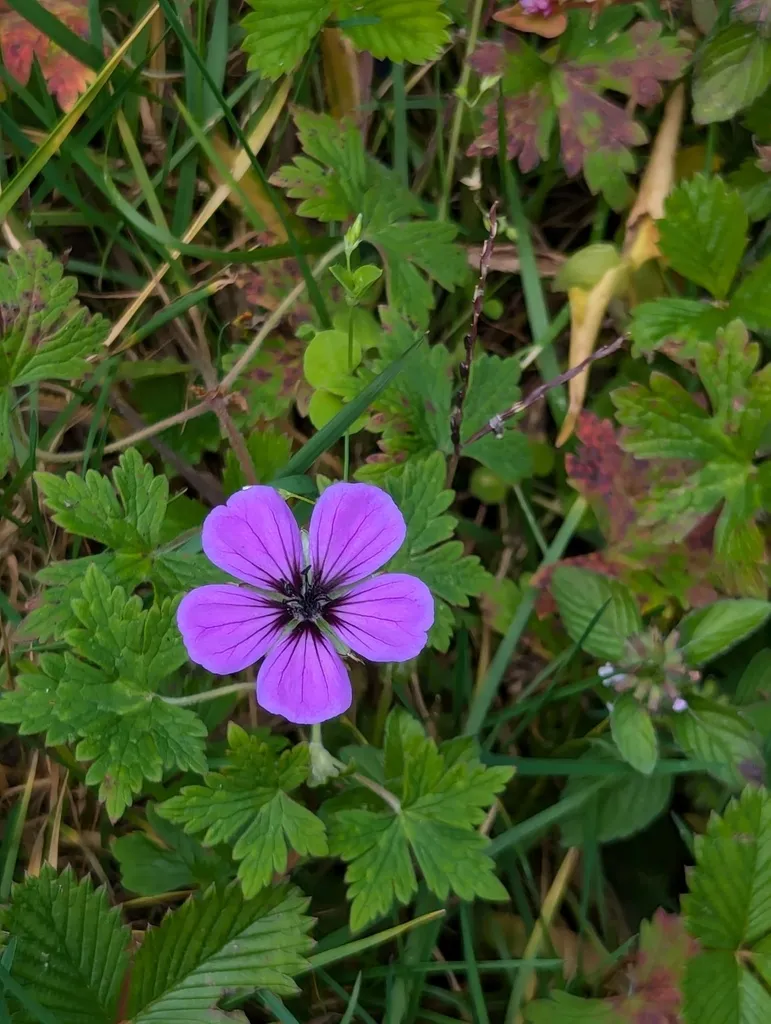
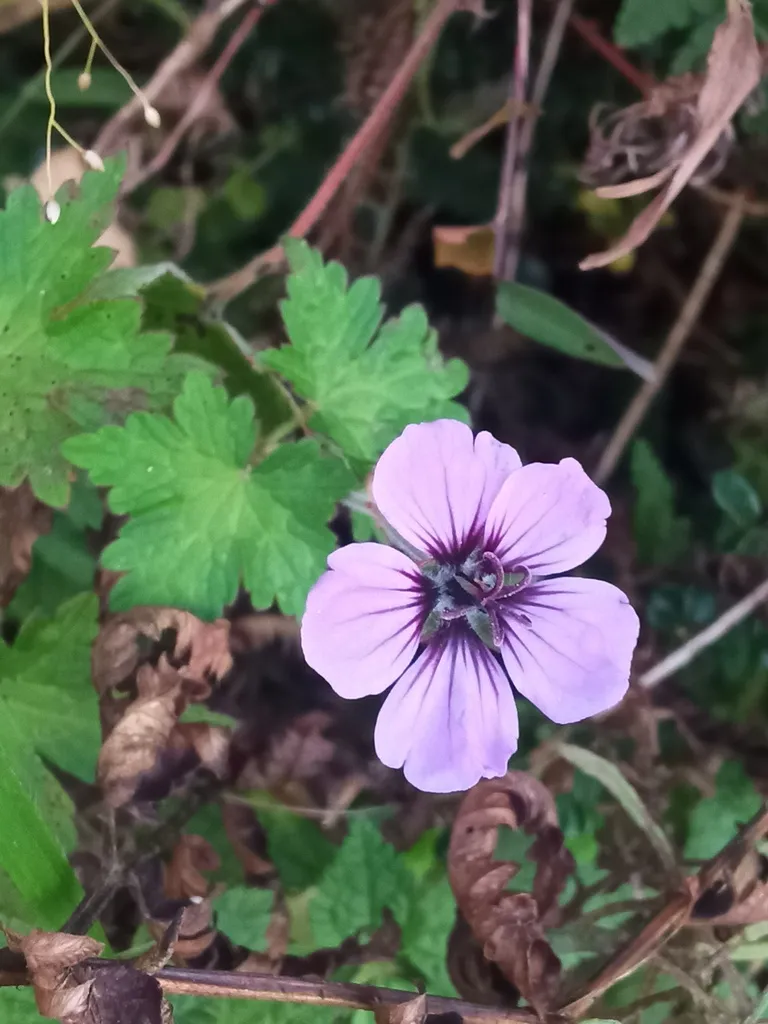
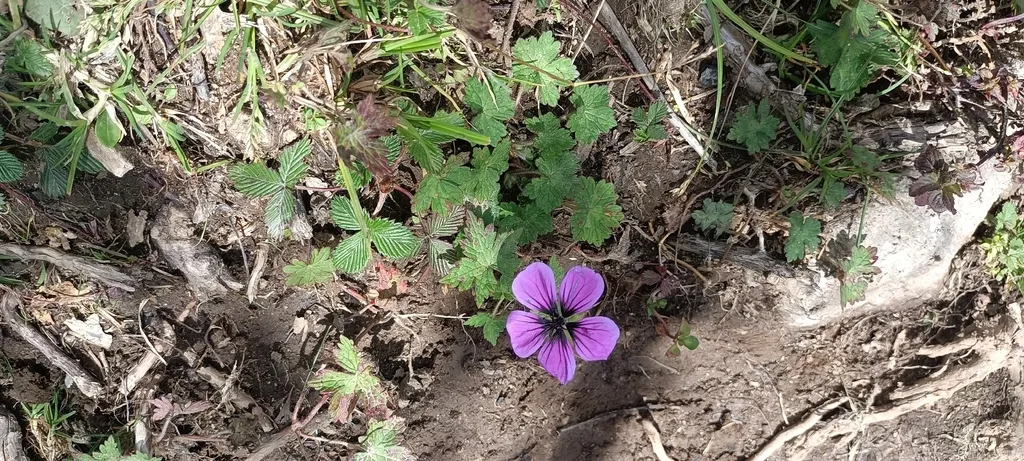
| Care difficulty | 2 / 5 |
|---|---|
| Watering schedule | Maintain light even moisture, cope with occasional dry soil |
| Sunlight requirements | Full sun · Partial shade |
| Ideal temperature | Information to be completed |
| Soil type | Chalk · Loam · Sand · Clay |
| Soil pH | Acid · Alkaline · Neutral |
| Soil moisture | Moist but well drained · Well drained |
| Fertilizing | Diluted perennial flower feed every four weeks growing season |
| Toxicity | Information to be completed |
How to Water spreading cranesbill?
Maintain light even moisture, cope with occasional dry soil
Learn more →What Are the Sunlight Requirements for spreading cranesbill?
Full sun · Partial shade
Learn more →What Is the Ideal Temperature Range for spreading cranesbill?

Information to be completed
Learn more →What Soil Is Best for spreading cranesbill?
- Soil type
- Chalk · Loam · Sand · Clay
- Soil pH
- Acid · Alkaline · Neutral
What Are the Moisture Requirements for spreading cranesbill?
Moist but well drained · Well drained
Learn more →How to Fertilize spreading cranesbill?

Diluted perennial flower feed every four weeks growing season
Learn more →How to Prune spreading cranesbill?

Cut back after flowering to encourage the production of fresh leaves and flowers. Remove old dead foliage in spring before growth commences
Learn more →How to Propagate spreading cranesbill?

Propagate by division or by seed in spring, or take basal cuttings in early to mid spring and root with bottom heat.
Learn more →How to Transplant spreading cranesbill?
Information to be completed
Learn more →How to Care for spreading cranesbill in Winter?

Information to be completed
Learn more →How to Plant spreading cranesbill?
Grow in any moderately fertile soil apart from waterlogged soils. Full sun or partial shade is best. Full shade is tolerated but may reduce flowering
Learn more →How to Repot spreading cranesbill?
Information to be completed
Learn more →How to Harvest spreading cranesbill?

Information to be completed
Learn more →Common Pests & Diseases

Diseases
May be susceptible to Powdery mildews, downy mildews and a virus
Pests
May be susceptible to vine weevil, geranium sawfly, slugs and snails
Explore the plant health library →The Toxicity of spreading cranesbill
Information to be completed