



Planting and Growing Phyllostachys iridescens

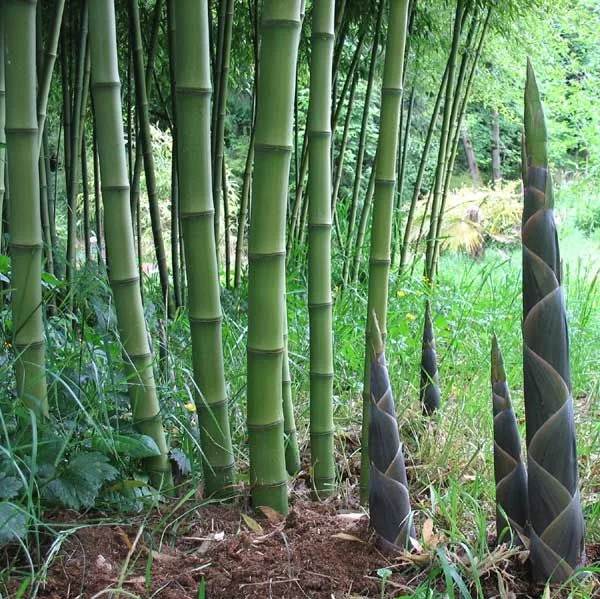
| Care difficulty | 2 / 5 |
|---|---|
| Watering schedule | Water regularly while establishing, keeping root zone evenly moist |
| Sunlight requirements | Full sun · Partial shade |
| Ideal temperature | Information to be completed |
| Soil type | Clay · Loam |
| Soil pH | Acid · Alkaline · Neutral |
| Soil moisture | Moist but well drained |
| Fertilizing | Balanced bamboo feed in spring and again early summer if needed |
| Toxicity | Information to be completed |
How to Water Phyllostachys iridescens?
Water regularly while establishing, keeping root zone evenly moist
Learn more →What Are the Sunlight Requirements for Phyllostachys iridescens?
Full sun · Partial shade
Learn more →What Is the Ideal Temperature Range for Phyllostachys iridescens?

Information to be completed
Learn more →What Soil Is Best for Phyllostachys iridescens?
- Soil type
- Clay · Loam
- Soil pH
- Acid · Alkaline · Neutral
What Are the Moisture Requirements for Phyllostachys iridescens?
Moist but well drained
Learn more →How to Fertilize Phyllostachys iridescens?

Balanced bamboo feed in spring and again early summer if needed
Learn more →How to Prune Phyllostachys iridescens?

Remove weak, dead, damaged or spindly stems in spring and thin to show off stems to best effect. Cut out any flowering shoots promptly to discourage more from forming
Learn more →How to Propagate Phyllostachys iridescens?

Propagate by division in spring
Learn more →How to Transplant Phyllostachys iridescens?
Information to be completed
Learn more →How to Care for Phyllostachys iridescens in Winter?

Information to be completed
Learn more →How to Plant Phyllostachys iridescens?
Grow in fertile, humus-rich, moist but well-drained soil, in full sun or partial shade. Protect from cold drying winds. In a container grow in a loam-based potting compost and feed with a balanced liquid fertiliser monthly during the growing season. May remain clump-forming in poor or dry soils but has the potential to become a nuisance in warm, moist or favourable conditions; see bamboo control and bamboo cultivation
Learn more →How to Repot Phyllostachys iridescens?
Information to be completed
Learn more →How to Harvest Phyllostachys iridescens?

Information to be completed
Learn more →Common Pests & Diseases

Diseases
Generally disease-free
Pests
May be susceptible to damage from slugs on new growth
Explore the plant health library →The Toxicity of Phyllostachys iridescens
Information to be completed