



Planting and Growing mother-of-pearl plant

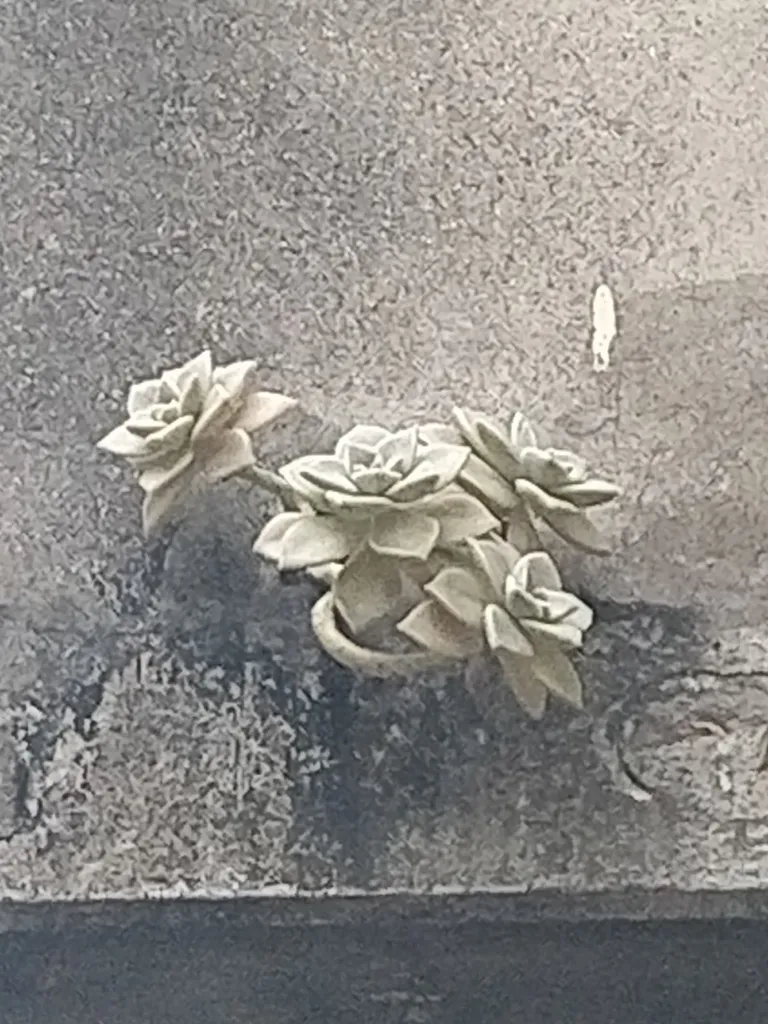

| Care difficulty | 2 / 5 |
|---|---|
| Watering schedule | Moderate regular watering, avoid prolonged drought or waterlogging |
| Sunlight requirements | Full sun |
| Ideal temperature | 18 – 28 °C |
| Soil type | Loam · Sand |
| Soil pH | Acid · Alkaline · Neutral |
| Soil moisture | Well drained |
| Fertilizing | Balanced feed in spring and light repeat in growth season |
| Toxicity | Information to be completed |
How to Water mother-of-pearl plant?
Ghost plant thrives in arid environments, exhibiting a high drought tolerance that aligns with its native dry habitats. It prefers infrequent watering, maintaining health and vigor when watered once every three weeks. This succulent retains moisture efficiently within its fleshy leaves, which is essential for surviving prolonged dry periods. As ghost plant is more commonly grown indoors due to its decorative appeal and low maintenance, it's important to ensure the soil has good drainage to prevent root rot – a balance between dry air and moist soil during the growing season will promote optimal health.
Learn more →What Are the Sunlight Requirements for mother-of-pearl plant?
Ghost plant thrives in conditions of full sun, where the intensity of natural light promotes robust growth and optimal health. Ideally, it should receive this light level for at least 6 hours per day. While ghost plant has a tolerance for partial sun, meaning some shade throughout the day, prolonged periods without enough light may result in leggy stems and reduced vibrant foliage coloration. When grown outdoors, ghost plant should be placed in areas that receive unfiltered sunlight for most of the day. In terms of adaptive traits, under intense sunlight exposure, ghost plant's leaves may exhibit a more vivid pigmentation as a protective response.
Learn more →What Is the Ideal Temperature Range for mother-of-pearl plant?

Ghost plant is quite resilient to temperature variations, tolerating cold down to -10℃ (14℉) and heat up to 43℃ (109℉). This adaptability makes it a hardy choice for diverse climates, though protective measures are recommended in extreme weather. In overly cold conditions, ghost plant may exhibit leaf discoloration and mushiness, while overheating can cause leaf scorching and dehydration. For overcooling, insulate the plant with frost cloths; for overheating, ensure sufficient shade and hydration. Understanding its wide temperature tolerance aids in providing appropriate care and maximizes the plant's thriving potential.
Learn more →What Soil Is Best for mother-of-pearl plant?
Soil is very important for the growth of ghost plant, which must be loose and ventilated. Generally speaking, the soil is divided into three layers from top to bottom, namely, the top deco layer, the middle planting layer, and the lower hydrophobic layer, which requires different types of soils. The top deco soil is paved on the soil surface for the decoration and fixation of plants. Some can prevent diseases and insect pests. When it's completely dry, it's time to water. There are many types of soil that can be used as top deco soil, such as white pebble, akadama soil, kiryuu sands, kanuma soil, etc. You can select proper ones according to different pots and plants. The middle layer soil can fix plants and provide nutrients for plants to grow. You can buy the configured succulent planting soil directly in store, or buy soil materials to mix by yourself. The common soil formulation for this layer is peat moss : perlite : volcanic rock : vermiculite = 4:2:2:2. The soil of the lower hydrophobic layer is placed at the bottom of the flowerpot or garden pit. It can evacuate the excess water in the succulent root system and prevent the root system from rotting due to water accumulation. The hydrophobic layer can be made of ceramsite, volcanic stone or other large-scale culture media. Coal slag or charcoal are also good choices. If it is planted in the garden, it is necessary to make sure that the bottom drainage layer is in good water permeability.
- Soil type
- Loam · Sand
- Soil pH
- Acid · Alkaline · Neutral
What Are the Moisture Requirements for mother-of-pearl plant?
Well drained
Learn more →How to Fertilize mother-of-pearl plant?

For ghost plant, use a balanced succulents and cacti fertilizer to ensure robust growth and vitality. Fertilize monthly during active growth in spring and summer, diluting to half the recommended strength to prevent root burn. In fall and winter, reduce feeding to every other month as growth slows. Apply the liquid fertilizer directly to the soil, avoiding the leaves. Monitor ghost plant for signs of over-fertilization, such as salt buildup or leaf discoloration, and adjust accordingly. This regimented feeding schedule aids in developing a strong root system and lush foliage.
Learn more →How to Prune mother-of-pearl plant?

In order to keep beautiful shape, some large succulent plants may need pruning. For example, in California, for echeveria planted in the garden, some redundant branches and branches that are too dense need to be cut off in spring and autumn. This depends on what you think and what the succulent plant is used for. Tools for pruning mainly include knife, scissors, and some medicines (such as sulfur powder). In order to propagate new plants, we can also cut some leaves in spring and autumn for cutting. Stout stems with 5-6 leaves are often selected: cut it off with a knife, then smear the wound with sulfur powder, and plant it after the wound is healed. At this time, it is recommended to use a watering can to slightly wet the soil used for cutting.
Learn more →How to Propagate mother-of-pearl plant?

Belonging to the Crassulaceae family, ghost plant is a succulent plant prized for its easy-to-propagate nature. To propagate ghost plant, select a healthy leaf or stem segment, ensuring the cut is clean to reduce the risk of infection. Allow the cutting to callous for a few days before placing on well-draining soil, out of direct sunlight. Moisture should be minimal to encourage root growth while preventing rot. Patience is key; roots and new shoots will emerge in time, heralding successful propagation.
Learn more →How to Transplant mother-of-pearl plant?
For the best growth of ghost plant, choose mid-spring to late spring or mid-fall to late fall for transplanting. These seasons offer mild temperatures, which are perfect for establishing roots. Prioritize a well-draining location with partial to full sun exposure. Remember to be gentle with the delicate leaves while handling the plant.
Learn more →How to Care for mother-of-pearl plant in Winter?

Ghost plant hails from a desert climate, gracefully navigating chilling winter conditions with a dormant, drought-resistant state. Its powdery coating aids in surviving reduced sunlight. For gardeners, winter care means limited watering; allow the soil to dry out to mimic ghost plant's natural environment. Ensure it's well-drained to avoid root rot. A sunny windowsill is the perfect winter sanctuary for this plant.
Learn more →How to Plant mother-of-pearl plant?
Indoors-potted: Inside, ghost plant thrives with rotating the pot occasionally to ensure its rosettes receive equal light, promoting even growth and preventing leaning. Outdoors-potted: In outdoor pots, ghost plant appreciates shelter from harsh rain; too much water can cause root rot in these drought-tolerant beauties. Outdoors-in the ground: Ghost plant is not suited for cold climates as frost can damage its fleshy leaves. In a suitable climate, it spreads easily, requiring space management.
Learn more →How to Repot mother-of-pearl plant?
Repot ghost plant in the spring when growth is vigorous, every two years to accommodate its spreading rosette form. A slightly larger container supports expansion while ensuring proper drainage. Post-repotation, place ghost plant in bright indirect light and water sparingly, allowing the soil to dry between waterings. The succulent's resilience makes post-repoting care straightforward, promoting its ghostly, opalescent leaves to flourish.
Learn more →Common Pests & Diseases

Diseases
Generally disease-free
Pests
Generally pest-free
Explore the plant health library →Troubleshooting
Translucent, Mushy Lower Leaves and Stem Rot
Graptopetalum paraguayense (ghost plant / mother-of-pearl plant) stores water in thick, opalescent rosettes and drops leaves at the slightest touch when overwatered or planted in moisture-retentive soil.
| What you notice | Possible explanation | What to check next |
|---|---|---|
| Lower leaves turn yellow-pink, translucent, and mushy and detach effortlessly while potting mix stays damp | Overwatering or poorly draining soil | Stop watering immediately, empty standing water, and inspect the stem for black or brown soft rot. |
| Bottom leaves dry to papery husks underneath a firm rosette | Normal reabsorption of older basal leaves as stems trail | Gently remove dry papery leaves so pests do not hide underneath. |
- Allow the gritty potting mix to dry out completely from top to bottom between thorough waterings, watering at the soil line rather than into the rosette center.
- Grow in a fast-draining cactus/succulent mix (high in pumice, perlite, or coarse grit) in a container with open drainage holes.
- If stem rot occurs, cut healthy rosette tops well above any dark tissue, let cuts callous for several days in a dry shaded spot, and re-root; detached plump leaves also root easily on dry grit mix.
Handle Graptopetalum paraguayense gently—its brittle leaves snap off easily and its pale powdery wax (farina) rubs off permanently if touched.
Stretching Stems (Etiolation) and Trailing Habit
Ghost plants naturally form trailing woody stems topped with rosettes over time, but wide spacing between pale green leaves indicates insufficient direct sun.
| What you notice | Possible explanation | What to check next |
|---|---|---|
| Rosette opens flat, leaves turn downward and pale green, and stem gaps widen | Insufficient direct sunlight (etiolation) | Move the plant gradually to a sunny south- or west-facing window or bright outdoor spot. |
| Rosettes sit at the ends of long, bare trailing stems | Normal mature trailing growth habit of Graptopetalum paraguayense | Enjoy as a trailing cascading succulent, or behead and re-root rosettes in spring for a compact pot. |
- Provide at least 6 hours of bright direct or strong filtered sunlight daily (acclimating gradually to prevent sunburn).
- Water sparingly in winter when growth slows, and skip heavy fertilizers.
- Graptopetalum paraguayense is listed as non-toxic to cats and dogs by the ASPCA.
In bright sun and cool temperatures, ghost plant rosettes blush lovely shades of lavender-pink, peach, and silver-gray.