



Planting and Growing tongue-shaped guzmania

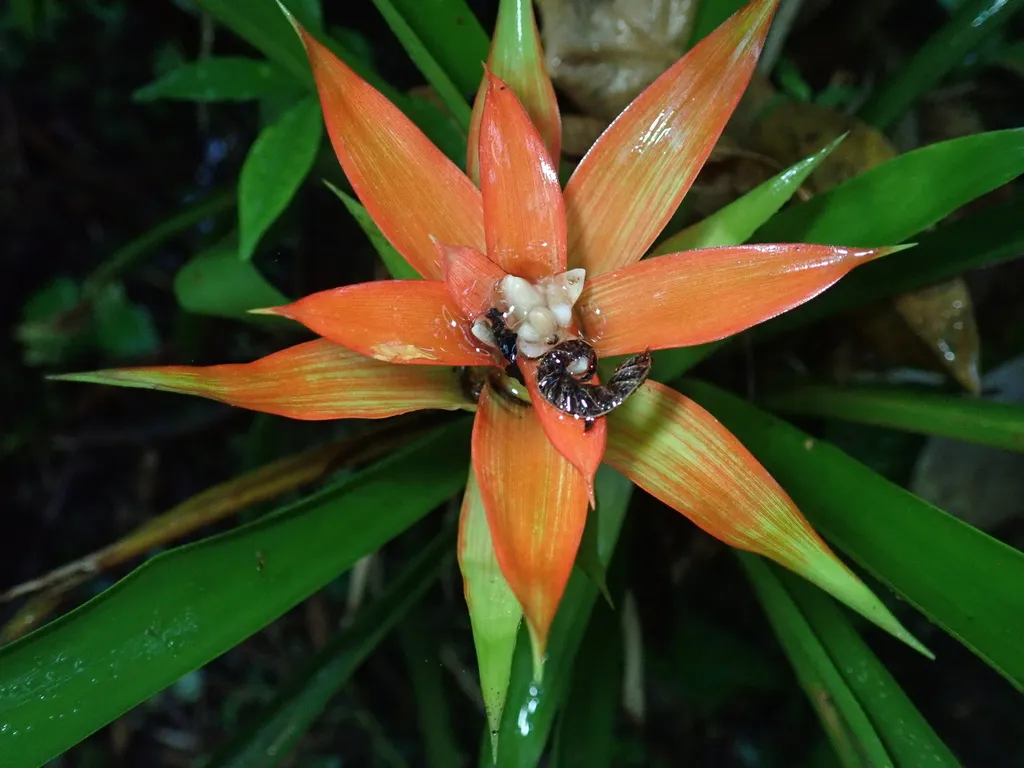
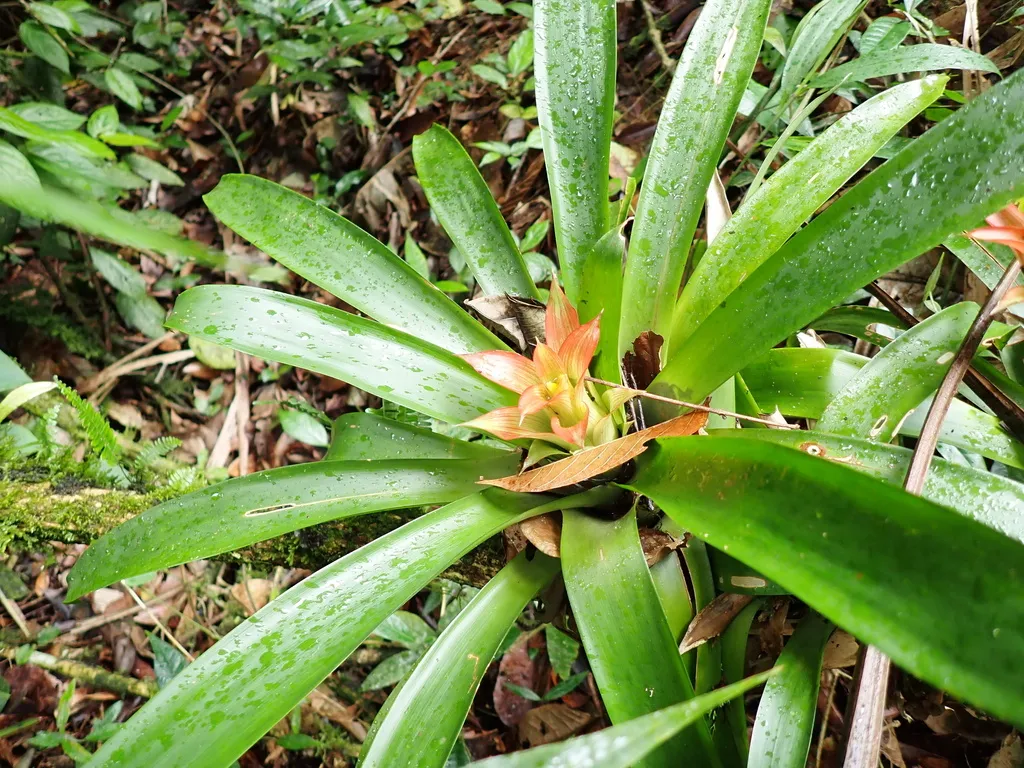
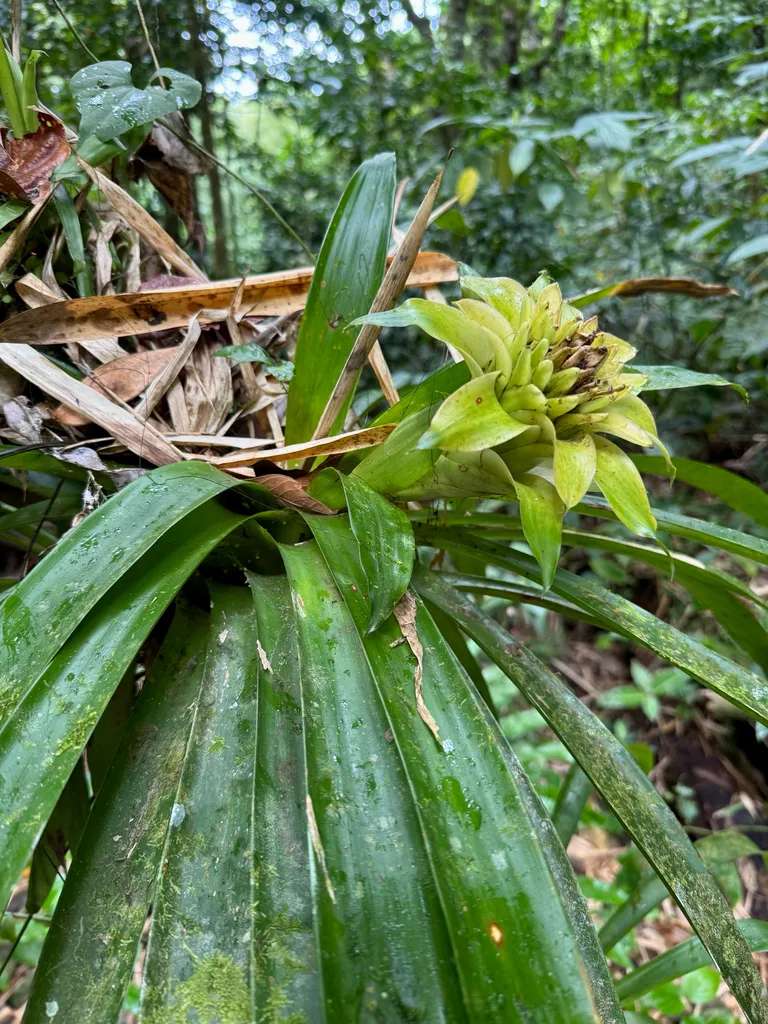
| Care difficulty | 2 / 5 |
|---|---|
| Watering schedule | Fill central leaf cup with clean water, keep surrounding soil moist |
| Sunlight requirements | Partial shade |
| Ideal temperature | 18 – 27 °C |
| Soil type | Information to be completed |
| Soil pH | Neutral |
| Soil moisture | Moist but well drained |
| Fertilizing | Weak bromeliad feed monthly warm growing seasonal months |
| Toxicity | Information to be completed |
How to Water tongue-shaped guzmania?
Thriving in the humid climes of its native tropical rainforest, scarlet-star has adapted to absorb moisture from both rainfall and atmospheric humidity. This species is characterized by a preference for consistent moisture but can tolerate brief dry spells due to its epiphytic nature. Watering should be done every week to maintain its hydration needs without over-saturating. As an indoor ornamental, scarlet-star benefits greatly from regular misting to emulate its natural humid environment, especially during the active growing season when water uptake and transpiration rates are higher.
Learn more →What Are the Sunlight Requirements for tongue-shaped guzmania?
Scarlet-star thrives under bright, indirect light typical of its natural rainforest understory habitat. Extended exposure to direct sunlight may scorch its leaves, while insufficient light can impede growth and flowering. The plant prefers partial sun—filtered or dappled light—for several hours per day. Despite tolerating low-light conditions, scarlet-star's ability to flower may be reduced in full shade. When positioning indoors, a spot near an east-facing window is ideal. Outdoors, scarlet-star should be located in a bright area protected from direct midday sun. Adaptive traits such as its vivid bract coloration are best expressed under optimal light conditions.
Learn more →What Is the Ideal Temperature Range for tongue-shaped guzmania?

Scarlet-star exhibits moderate resilience to temperature fluctuations, tolerating a range from 5℃ (41℉) to 43℃ (109℉). While it can endure these ranges, prolonged exposure to cold may cause leaf discoloration or wilting, and extreme heat can lead to leaf scorch or dehydration. Proper care includes shielding scarlet-star from drafts or frost in cold climates and providing ample humidity and shade during hot weather. Observing signs like leaf browning or drooping indicates stress from inappropriate temperatures. In case of overcooling, move scarlet-star to a warmer spot and limit watering; for overheating, increase humidity and relocate to a cooler area.
Learn more →What Soil Is Best for tongue-shaped guzmania?
Scarlet-star prefers the type of soil textures that readily dries out. Any permeable soil mix with good drainage that doesn’t become damp dries out swiftly and permit oxygen to reach root zone promptly would be fine. Retain water container in the center of the plant, during the warm, humid conditions. Scarlet-star is an epiphyte that can grow well in soilless organic media that dries out more quickly than the soil. Work on the potting mix as a soggy medium may be prone to root rot and leaf spots on the foliage of indoor plants. Keep growing medium well-drained and replacing during every season. The best pH for growing scarlet-star is slightly acidic in the range of 6.0-6.5 whereas they can grow well in a neutral pH as well (6.6-7.0). The pH of coco coir is almost neutral while peat moss stands around 8 to 10 cm pH so the combination listed below would be a growing media for scarlet-star. For the potted plants, coco coir and orchid bark is a good combination in 50:50 ratio whereas a combination of coarse perlite, sphagnum moss, and fir bark will also drain quickly. For outdoors, add perlite and sand to the garden soil if it appears heavy.
- Soil type
- Information to be completed
- Soil pH
- Neutral
What Are the Moisture Requirements for tongue-shaped guzmania?
Moist but well drained
Learn more →How to Fertilize tongue-shaped guzmania?

Feeding scarlet-star with high phosphorus fertilizer enhances bloom vibrancy, fueling vital functions and offsetting nutrient-depleted potting media. Quarterly applications during growing seasons bolster health; dilute half-strength liquid solutions prevents root burn. Adjust frequency with seasonal dormancy, reducing winter feedings. Use specialized formulas designed for bromeliads for tailored nourishment. Safety tip: avoid contact with scarlet-star's central tank when fertilizing.
Learn more →How to Prune tongue-shaped guzmania?

Scarlet-star, known for its vibrant red bracts and central rosette, benefits from pruning to maintain its health and appearance. Prune in early spring or late winter to align with its growth cycle. Remove dead or dying leaves and spent flower stalks to encourage new growth. Ensure tools are sterile to prevent disease. Regular pruning enhances air circulation and light penetration, promoting overall vigor. Always cut close to the base, avoiding damage to the central rosette.
Learn more →How to Propagate tongue-shaped guzmania?

The Scarlet-Star scarlet-star is typically propagated through division, ideally during Spring or Autumn. Propagation is relatively easy, and successful signs include new growth and root development. Ensure optimal conditions by maintaining proper moisture levels.
Learn more →How to Transplant tongue-shaped guzmania?
The perfect time to transplant scarlet-star is during mid to late spring, as this provides optimal growing conditions. Ensure your chosen location offers filtered sunlight and well-draining soil. When transplanting, remember to handle the delicate root system with care. Enjoy your thriving scarlet-star!
Learn more →How to Care for tongue-shaped guzmania in Winter?

Native to the muggy warmth of Central America's cloud forests, scarlet-star ingeniously avoids frost by growing epiphytically on trees. Winter caretakers need to replicate this humid home. Instead of a cold draught, scarlet-star craves 60-70 degree Fahrenheit temperatures, high humidity, and misting. Sunlight must be filtered or indirect, and its potting medium requires good drainage. Remember, scarlet-star is more accustomed to tropical winter rains than a bitter freeze.
Learn more →How to Plant tongue-shaped guzmania?
Indoors-potted: For scarlet-star indoors, ensure a humid environment to mirror its native habitat, enhancing leaf vibrancy and health. Outdoors-potted: Scarlet-star thrives outside in pots with protection from harsh conditions, fostering bright blooms typical of this species. Outdoors-in the ground: Planting scarlet-star outdoors should consider sheltered spots that replicate its tropical origins for optimal growth.
Learn more →How to Repot tongue-shaped guzmania?
Scarlet-star, a vibrant bromeliad, requires repotting every 2-3 years to support its rosette growth. Repot in spring, aligning with its growth cycle for swift recovery. Choose a shallow, well-draining pot, slightly larger than the root ball. Post-repotting, maintain high humidity and indirect light. Avoid waterlogging to prevent root rot, ensuring scarlet-star's fiery bracts stay dazzling.
Learn more →How to Harvest tongue-shaped guzmania?

There is nothing to harvest other than caring for the pups after the insignificant flowering has taken place, plant foliage turns brown and its leaves start to curl. The overall structure is harvested leaving the pups on the mother plant that sprouts and develops into the new plants, next year. The insignificant white flowers don’t produce any scent and not important in their ornamental use.
Learn more →Common Pests & Diseases

Diseases
Generally disease free
Pests
mealybugs may be a problem
Explore the plant health library →Troubleshooting
Fading Central Flower Bract and Mother Plant Dying Back After Blooming
Guzmania lingulata (scarlet star bromeliad) is an epiphytic bromeliad that blooms once in its life cycle—after its bright red, orange, or yellow central bract fades over several months, the mother rosette gradually dies back while producing baby offsets (pups) around its base.
| What you notice | Possible explanation | What to check next |
|---|---|---|
| Colorful central star bract fades to green or brown after 3 to 6 months while small offshoots appear at the base | Normal monocarpic life cycle of bromeliads (mother plant finishes blooming and channels energy into pups) | Cut off the faded flower spike neatly and continue caring for the plant so the basal pups grow strong. |
| Leaves turn brown and mushy at the base with a foul odor while water sits in the central cup | Crown/cup rot from stagnant water in cool or poorly ventilated air, or overwatered potting mix | Empty stagnant water from the central leaf cup, flush with fresh room-temperature water, and let the potting mix dry slightly. |
- Keep a small amount of fresh room-temperature rainwater, distilled water, or filtered water in the central leaf cup (rosette tank) during warm active growth, flushing and replacing it every 1 to 2 weeks so it never stagnates; keep the central cup dry in cool winter conditions.
- Keep the chunky bark/peat potting mix lightly moist rather than soggy, in a pot with open drainage holes.
- Once basal pups reach about one-third to one-half the size of the mother plant, either leave them clumped together or separate rooted pups cleanly with a sharp knife to pot individually.
Guzmania lingulata is listed as non-toxic to cats and dogs by the ASPCA.
Brown Leaf Tips or Sun Scorch
Crispy leaf tips and bleached patches on Guzmania lingulata reflect low humidity, hard tap water minerals, or direct midday sunlight.
| What you notice | Possible explanation | What to check next |
|---|---|---|
| Strap-like leaf tips turn brown and dry while rosette stays green | Low indoor humidity, dry heater drafts, or minerals/chlorine in tap water | Switch to rainwater, distilled water, or filtered water and raise local humidity. |
| Bleached or scorched tan patches appear across upper leaves near a sunny window | Direct sun exposure | Move the plant out of direct midday sun into bright, indirect light. |
- Place in bright, indirect light (such as near an east- or north-facing window, or filtered south/west window).
- Raise ambient humidity with a humidifier or pebble tray, and keep warm above 15°C (60°F) away from cold drafts.
- Feed very lightly during spring and summer using a balanced liquid fertilizer diluted to quarter strength (applied to the soil rather than concentrated in the central cup), and pause feeding in winter.
Bromeliads absorb most of their water and nutrients through specialized scales in their central leaf cup; roots serve mainly as anchors.
The Toxicity of tongue-shaped guzmania
Information to be completed