



Planting and Growing rhododendron 'Chinese Silver'

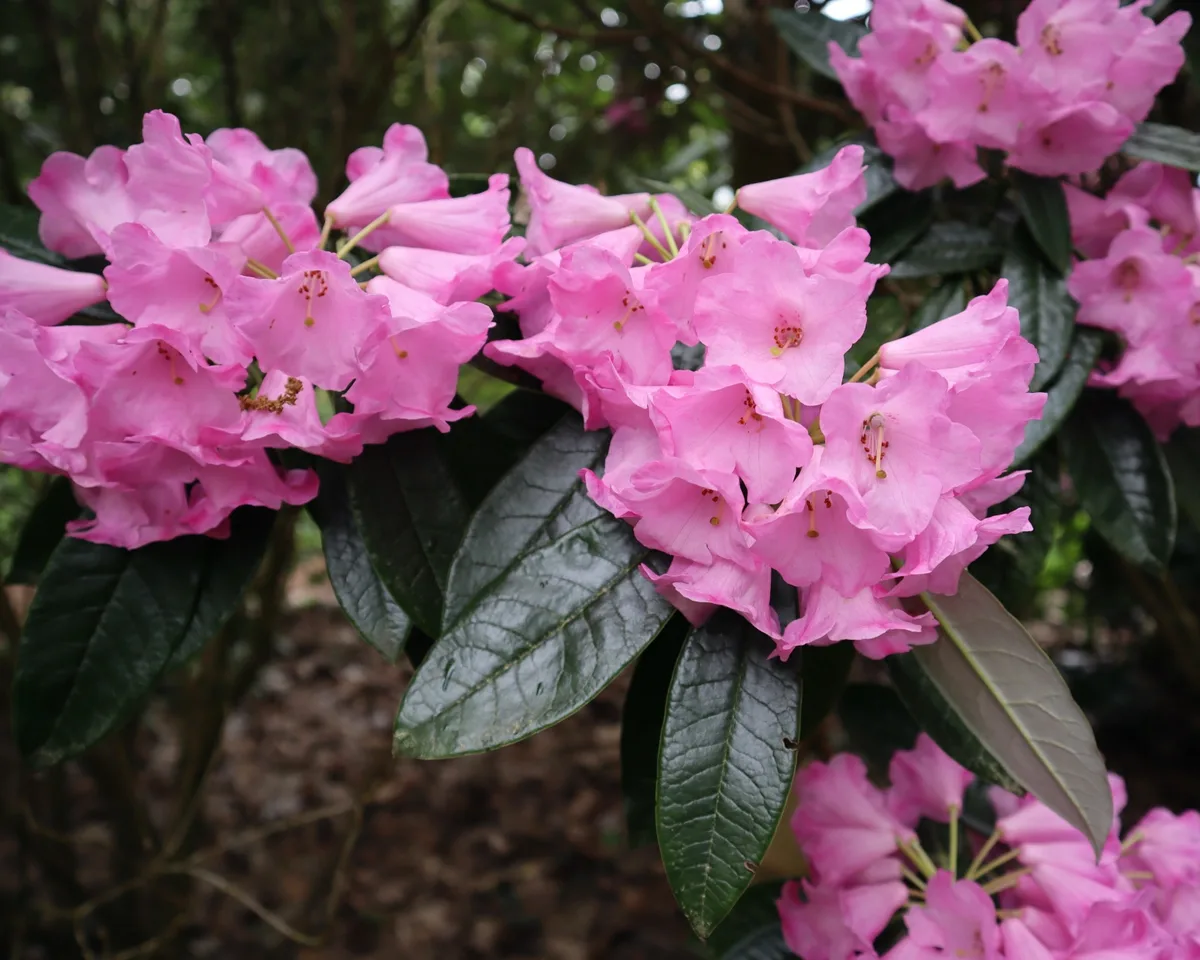
| Care difficulty | 3 / 5 |
|---|---|
| Watering schedule | Keep acidic root zone evenly moist, never leaving waterlogged soil |
| Sunlight requirements | Partial shade |
| Ideal temperature | Information to be completed |
| Soil type | Clay · Loam · Sand |
| Soil pH | Acid |
| Soil moisture | Moist but well drained |
| Fertilizing | Ericaceous fertilizer monthly from spring through late summer |
| Toxicity | Harmful if eaten. Wear gloves and other protective equipment when handling |
How to Water rhododendron 'Chinese Silver'?
Keep acidic root zone evenly moist, never leaving waterlogged soil
Learn more →What Are the Sunlight Requirements for rhododendron 'Chinese Silver'?
Partial shade
Learn more →What Soil Is Best for rhododendron 'Chinese Silver'?
- Soil type
- Clay · Loam · Sand
- Soil pH
- Acid
What Are the Moisture Requirements for rhododendron 'Chinese Silver'?
Moist but well drained
Learn more →How to Fertilize rhododendron 'Chinese Silver'?

Ericaceous fertilizer monthly from spring through late summer
Learn more →How to Prune rhododendron 'Chinese Silver'?

Usually little pruning is needed. Lightly shape if necessary, removing dead, damaged or diseased shoots. Prune after flowering.
Learn more →How to Propagate rhododendron 'Chinese Silver'?

Propagate by semi-ripe cuttings in late summer, layering in autumn or grafting in late summer or late winter
Learn more →How to Plant rhododendron 'Chinese Silver'?
An excellent foliage plant, grow in moist but well-drained, leafy, humus-rich acid soil in part shade with shelter; see rhododendron cultivation
Learn more →Common Pests & Diseases

Diseases
May be susceptible to various Rhododendron diseases including powdery mildews, rhododendron petal blight, rhododendron bud blast, silver leaf and honey fungus
Pests
May be susceptible to vine weevil, rhododendron leafhopper, pieris lacebug, scale insects, caterpillars and aphids
Explore the plant health library →The Toxicity of rhododendron 'Chinese Silver'
Harmful if eaten. Wear gloves and other protective equipment when handling