



Planting and Growing Iris 'Night Owl'

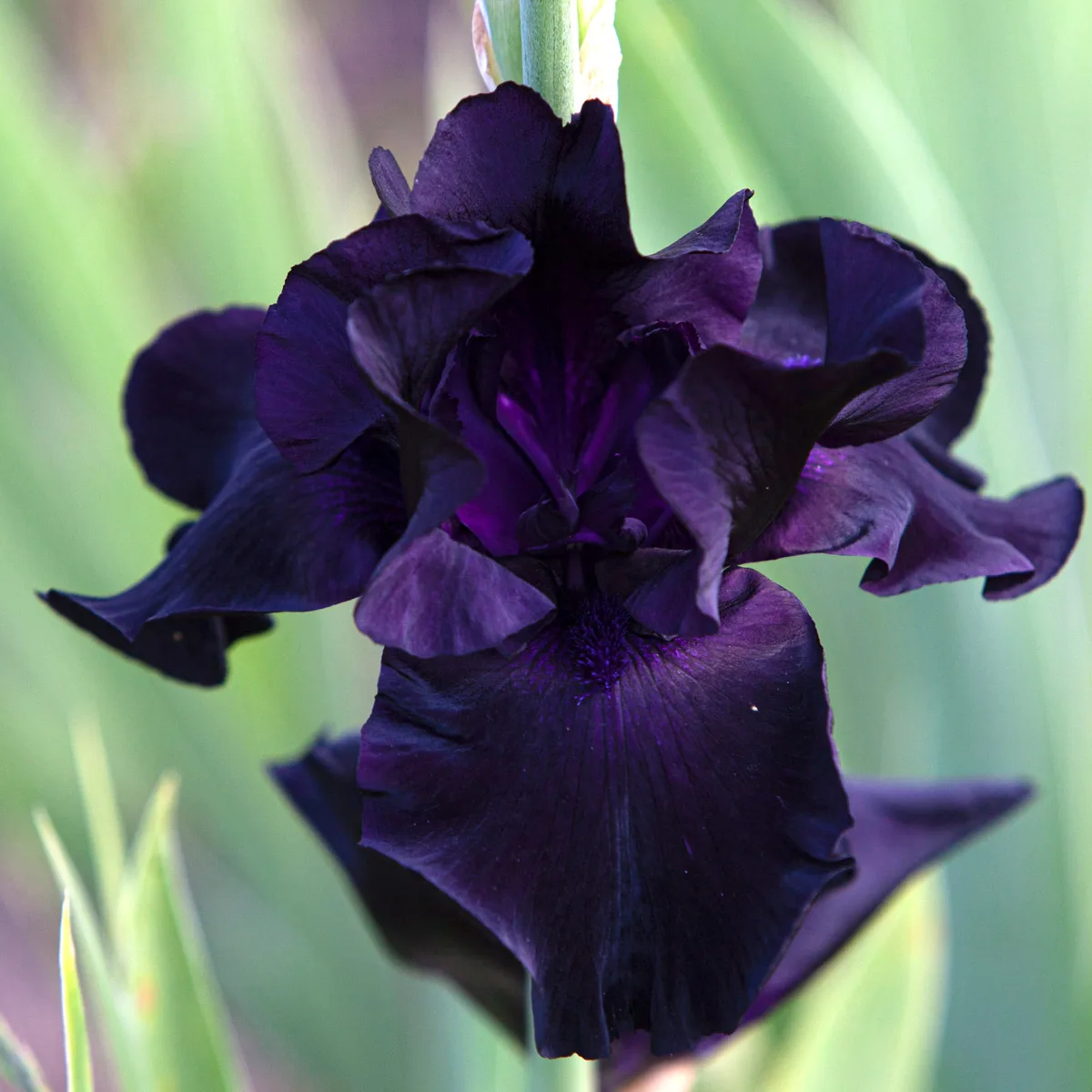
| Care difficulty | 3 / 5 |
|---|---|
| Watering schedule | Medium moisture in growth, then drier once flowering fully finishes |
| Sunlight requirements | Full sun |
| Ideal temperature | Information to be completed |
| Soil type | Loam · Sand |
| Soil pH | Acid · Neutral |
| Soil moisture | Well drained |
| Fertilizing | Diluted iris feed every three to four weeks during spring bloom |
| Toxicity | Harmful if eaten. Wear gloves and other protective equipment when handling |
How to Water Iris 'Night Owl'?
Medium moisture in growth, then drier once flowering fully finishes
Learn more →What Are the Sunlight Requirements for Iris 'Night Owl'?
Full sun
Learn more →What Is the Ideal Temperature Range for Iris 'Night Owl'?

Information to be completed
Learn more →What Soil Is Best for Iris 'Night Owl'?
- Soil type
- Loam · Sand
- Soil pH
- Acid · Neutral
What Are the Moisture Requirements for Iris 'Night Owl'?
Well drained
Learn more →How to Fertilize Iris 'Night Owl'?

Diluted iris feed every three to four weeks during spring bloom
Learn more →How to Prune Iris 'Night Owl'?

Remove any dying foliage in autumn, old flower stems can be cut down after flowering
Learn more →How to Propagate Iris 'Night Owl'?

Propagate by division of rhizomes from midsummer to early autumn, see dividing irises
Learn more →How to Transplant Iris 'Night Owl'?
Information to be completed
Learn more →How to Care for Iris 'Night Owl' in Winter?

Information to be completed
Learn more →How to Plant Iris 'Night Owl'?
Grow in well-drained, fertile, neutral to slightly acidic soil in full sun. Do not cover the rhizomes with mulch, or allow other plants to shade them; sun on the rhizomes encourages flowering. Give a high potash feed in spring and divide every three to four years. See also bearded iris cultivation
Learn more →How to Repot Iris 'Night Owl'?
Information to be completed
Learn more →How to Harvest Iris 'Night Owl'?

Information to be completed
Learn more →Common Pests & Diseases

Diseases
May be susceptible to aphid-borne viruses, bacterial soft rot and grey moulds; see Iris diseases
Pests
May be susceptible to slugs and snails
Explore the plant health library →The Toxicity of Iris 'Night Owl'
Harmful if eaten. Wear gloves and other protective equipment when handling