



Planting and Growing hairy alum root

| Care difficulty | 2 / 5 |
|---|---|
| Watering schedule | Keep soil lightly moist with free drainage |
| Sunlight requirements | Full shade · Partial shade |
| Ideal temperature | 15 – 25 °C |
| Soil type | Chalk · Clay · Loam · Sand |
| Soil pH | Neutral |
| Soil moisture | Moist but well drained |
| Fertilizing | Light balanced feed in spring and early summer |
| Toxicity | Information to be completed |
How to Water hairy alum root?
Originating from the woodlands of Eastern North America, hairy alumroot thrives in conditions that mimic its natural habitat's moderate moisture levels. This perennial is drought-tolerant yet appreciates consistent soil moisture without being waterlogged, striking a balance between hydration and drainage. It requires watering every week to maintain this equilibrium. As an outdoor plant often found in shaded gardens, hairy alumroot benefits greatly from mulching which helps retain soil moisture and regulates temperature - key factors for its vigorous growth during the growing season.
Learn more →What Are the Sunlight Requirements for hairy alum root?
Hairy alumroot thrives in partial sun, where it receives moderate light without the intensity of midday exposure. The ideal setup balances morning light with afternoon shade, optimizing its growth and maintaining vibrant foliage. It can endure full sun, albeit with possible stress such as leaf scorch, and survives in full shade but may exhibit leggier growth and reduced flowering. Outdoors, planting hairy alumroot in a position that mirrors these conditions is recommended for gardeners to ensure robust health. Adaptive traits, such as leaf pigmentation, may help hairy alumroot minimize damage under varying light levels, reflecting its versatility in different lighting scenarios.
Learn more →What Is the Ideal Temperature Range for hairy alum root?

Hairy alumroot demonstrates notable resilience to temperature extremes, enduring cold down to -25℃ (-13℉) and heat up to 38℃ (100℉). This adaptability ensures its viability in diverse environments, though care is required during severe weather. In freezing conditions, symptoms like leaf discoloration or wilting may appear, necessitating mulching and wind protection. During extreme heat, wilting or scorched leaves indicate stress, remedied by regular watering and shading. Such temperature tolerance makes hairy alumroot suitable for a variety of landscapes but demands proactive care in harsh climates.
Learn more →What Soil Is Best for hairy alum root?
For hairy alumroot, ensure well-drained soil to prevent water-logging. A suitable mix can be made by combining equal parts garden soil, compost, and perlite. If perlite isn't available, use coarse sand or fine gravel. To improve growth, mix in a balanced slow-release fertilizer during planting and apply organic compost annually. Proper drainage is crucial; consider a slightly elevated bed or container with drainage holes.
- Soil type
- Chalk · Clay · Loam · Sand
- Soil pH
- Neutral
What Are the Moisture Requirements for hairy alum root?
Moist but well drained
Learn more →How to Fertilize hairy alum root?

For hairy alumroot, use balanced fertilizers once in spring at growth onset for vibrant foliage and robust health. Monthly doses in the growing season sustain vigor, but winter feeding is unnecessary. Moderate quantities according to package guidelines avoid nutrient overload. Always water before and after fertilizing to protect roots and aid absorption. Adapting to the plant's life cycle ensures appropriate nutrient provision.
Learn more →How to Prune hairy alum root?

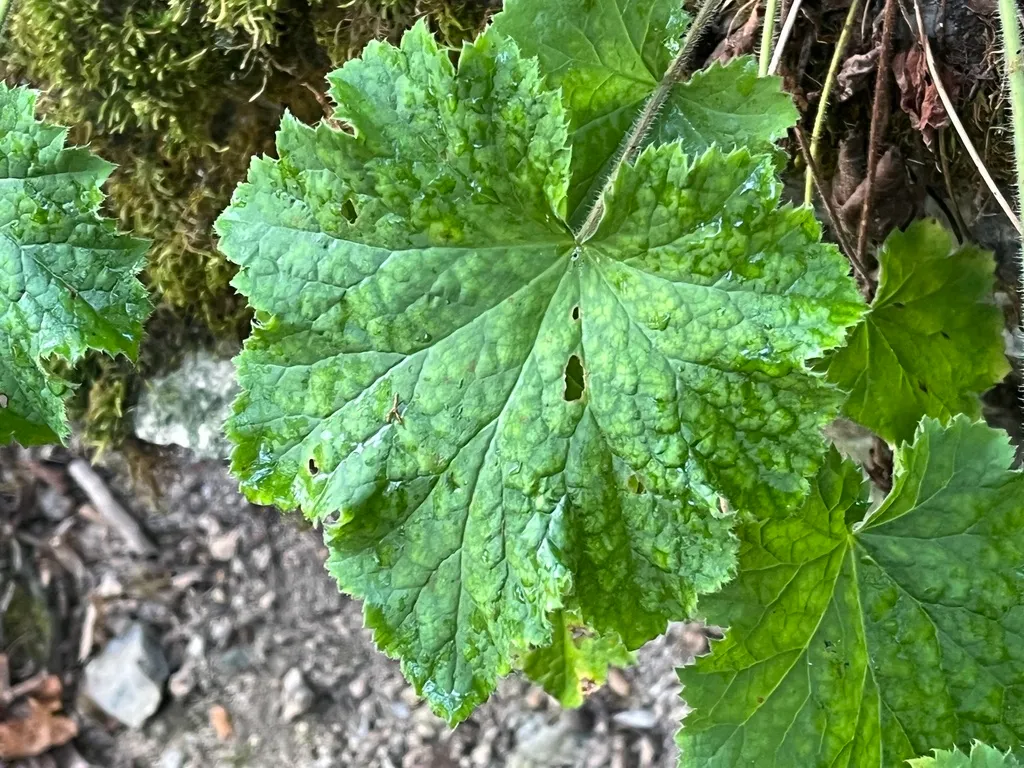
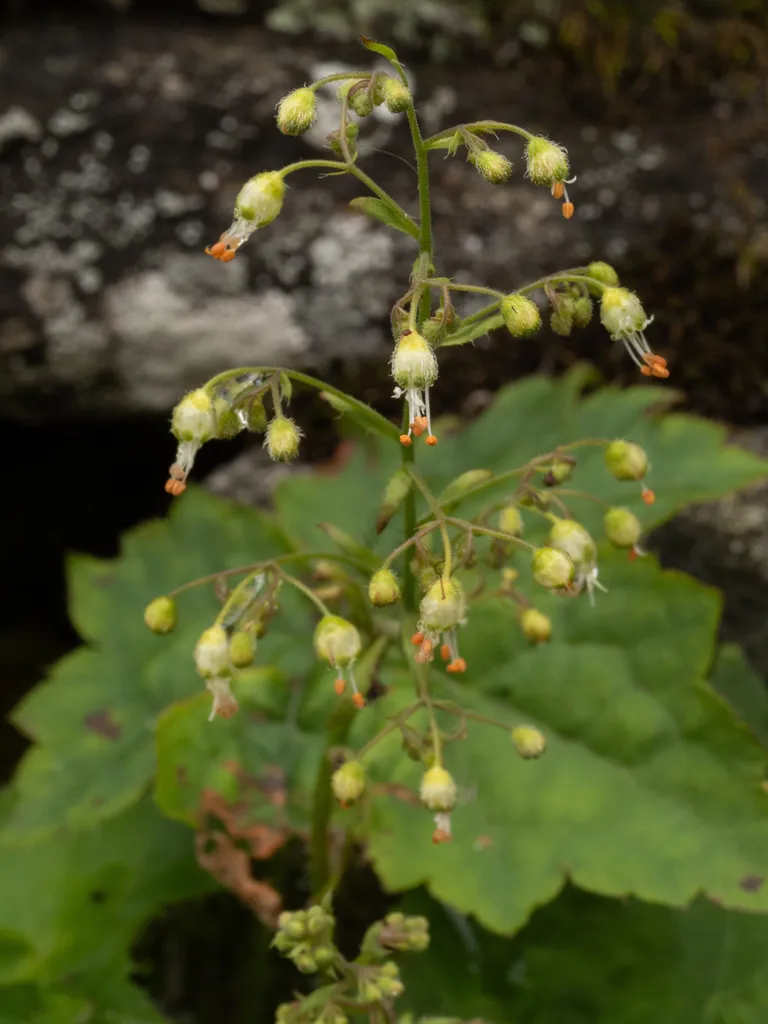
Hairy alumroot features lobed leaves and delicate flowers. Prune in early to late spring to encourage new growth and maintain shape. Remove old, damaged, or dead foliage and spent flower stems. Rejuvenate the plant by cutting back leggy stems, promoting denser growth. Avoid heavy pruning, as it can stress hairy alumroot. Regular pruning improves air circulation, reduces disease risk, and enhances overall plant health.
Learn more →How to Propagate hairy alum root?

Hairy alumroot thrives when propagated through cuttings. Obtain a healthy stem, ensuring it has a few leaves. Cut just below a node, and dip the cutting in rooting hormone to foster new growth. Plant in a well-draining soil mix, providing consistent moisture and warmth. Root development is vital before transplanting. This method secures genetic consistency and hastens establishment.
Learn more →How to Transplant hairy alum root?
The optimal transplanting time for hairy alumroot is early to mid-spring or mid-fall to early winter, promoting healthy root establishment. Choose a location providing partial shade, with well-draining soil. Gently loosen the roots before planting for best results. Happy transplanting!
Learn more →How to Plant hairy alum root?
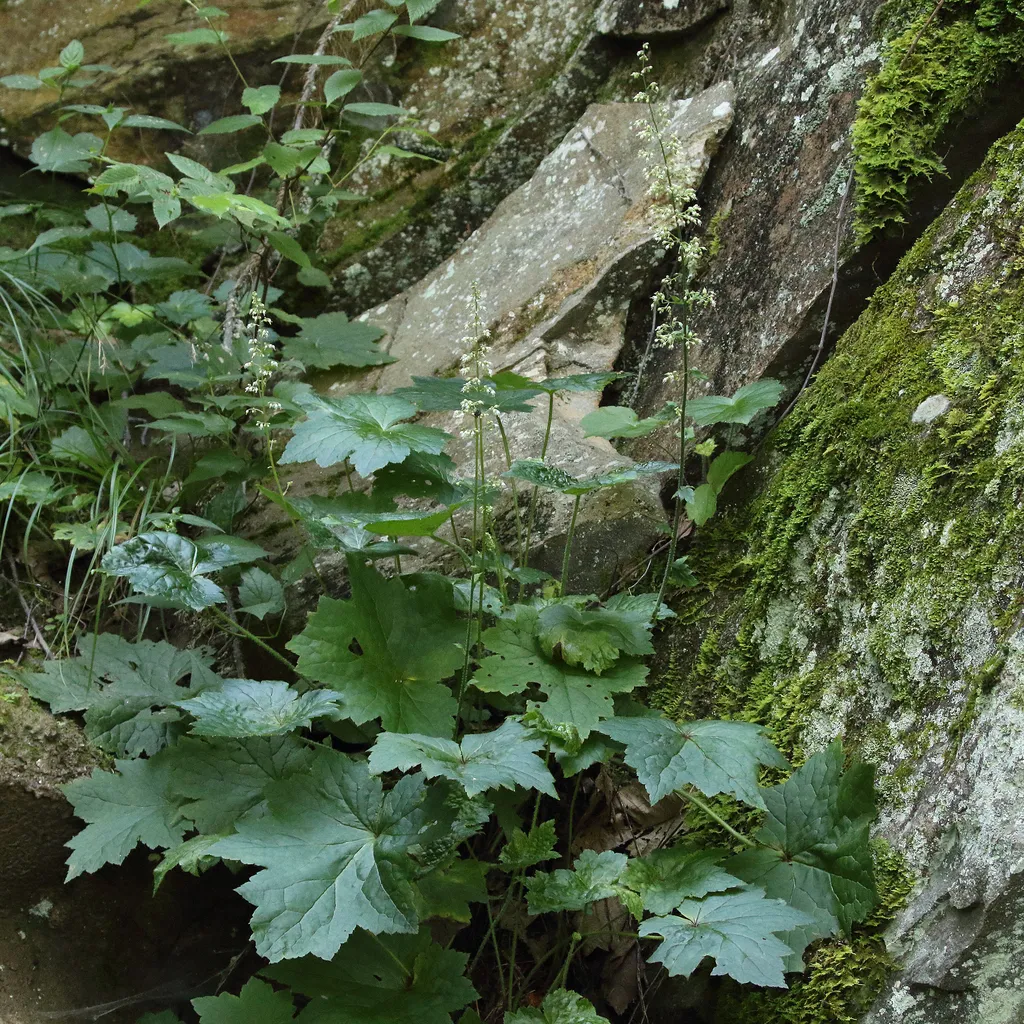
Indoors-potted: Ensure hairy alumroot in a pot indoors has room to spread its roots; this encourages lush foliage, which is the plant's standout feature. Outdoors-potted: Hairy alumroot's vibrant leaves are more pronounced outdoors; rotate the pot periodically for uniform growth and visual appeal. Outdoors-in the ground: When planting hairy alumroot in the ground, be mindful of spacing to allow for its clumping habit, showcasing its ornamental leaves beautifully.
Learn more →How to Repot hairy alum root?
Repot hairy alumroot every 2-3 years due to its modest growth, favoring spring when energy is high. Select a pot a size larger to accommodate its mounding habit. Post-repotting, ensure well-draining soil and consistent moisture for recovery, avoiding direct sunlight. Providing a spacious container encourages healthy, vibrant foliage in this non-climbing perennial.
Learn more →Common Pests & Diseases

Diseases
May be susceptible to heuchera rust and leafy gall
Pests
May be susceptible to leaf and bud eelworm and vine weevil
Explore the plant health library →